Sodium Ion Battery for Remote Island Microgrid: Abundant Power Off the Grid
Sodium Ion Battery for Remote Island Microgrid: Abundant Power Off the Grid
Islands far from any submarine cable rely on diesel generators and shrinking solar banks, paying premium fuel prices for every kilowatt-hour. Sodium ion battery storage is changing the math: built from abundant, non-critical materials, it lets a remote island microgrid store more midday solar and run longer on clean power, even through cold, damp nights.
Why Islands Suit Sodium
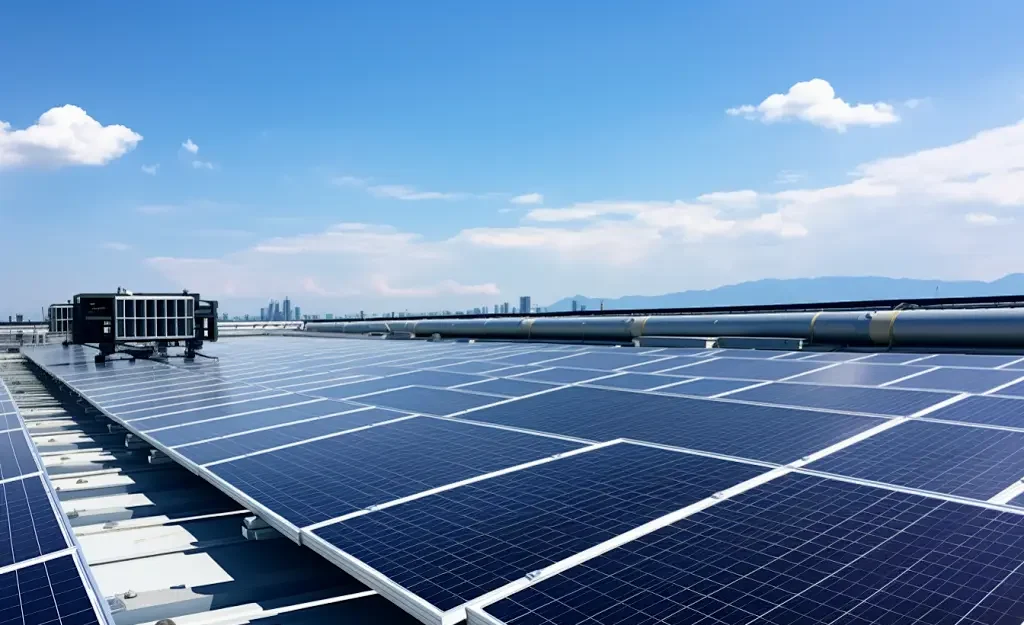
An island microgrid cycles daily—charge from PV, discharge through the evening peak—so it needs durable, cheap storage more than maximum energy density. Sodium-ion cells use aluminum, iron, and manganese instead of lithium, nickel, and cobalt, cutting both material cost and supply-chain risk for communities that cannot easily source scarce minerals.
Cold and Humid Resilience
Island nights and higher latitudes are cool and humid. Sodium-ion keeps over 90% capacity at −20 °C without the heaters lithium needs, and its intrinsically stable chemistry tolerates high-humidity enclosures with simpler thermal management—important when technical support is a boat ride away.
Microgrid Storage Comparison
| Attribute | Sodium-Ion | LFP (LiFePO4) |
|---|---|---|
| Material abundance | Very high | Medium |
| Cold capacity (−20 °C) | >90% | ~70% (needs heat) |
| Cycles at 90% DoD | 3000–6000 | 4000–7000 |
| Footprint | Larger | Smaller |
| Island supply risk | Low | Medium |
Designing the Microgrid
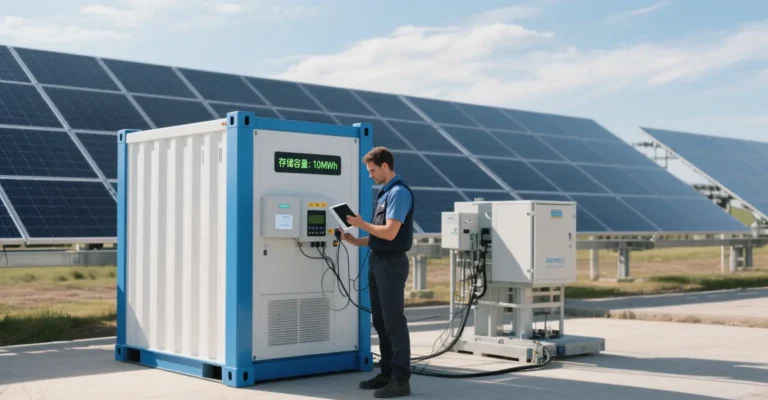
Size the sodium bank for one to two days of autonomous operation plus the evening peak, and pair it with a hybrid inverter and smart controller that prioritizes solar self-consumption, throttles the diesel genset, and rides through cloud cover. Because sodium is bulkier, site the container where land is available rather than in a tight equipment room.
Deployment and Maintenance
Start with a phased rollout: a 50–200 kWh sodium block behind the existing diesel plant, then expand as savings compound. Remote monitoring flags cell imbalance before it strands the community, and the simpler fire-safety profile reduces the insurance and containment burden versus denser chemistries.
Cost and Payback
Diesel fuel plus transport and generator maintenance often costs islands several times the mainland rate per kWh. A sodium-ion block that displaces even half the annual diesel run can pay back in four to seven years, after which the microgrid delivers near-free solar storage and far lower emissions.
Getting Started
A practical first step is a feasibility study: log the island’s load profile for a week, map existing diesel runtime, and model a sodium block that covers the evening peak plus one cloudy day. Most communities phase in 50–100 kWh, prove the savings, then scale. Grants for clean-energy access often cover part of the capital cost.
Controls and Dispatch
The battery is only as smart as the controller. A good microgrid controller forecasts solar yield, decides when to charge from the genset versus the array, and sheds non-critical loads during deficits. Modern units expose this on a village dashboard, so operators can tune setpoints as seasons change without specialist visits.
Community Benefits Beyond Cost
Beyond lower bills, a sodium microgrid means quieter nights, cleaner air, and reliable refrigeration for clinics and food. It also builds local energy independence, so a supply disruption on the mainland no longer darkens the island. Schools can teach renewable engineering on a system the whole village can see working.
People Also Ask
Is sodium-ion ready for island scale? Yes—multi-tens-of-kWh sodium containers are already supporting remote and island grids in pilot and early commercial deployments through 2025–2026.
When should I still choose lithium? If your equipment room is space-limited or you need the absolute smallest footprint, LFP remains the denser option; sodium wins on cost and cold resilience.
Written by Karl at China Battery Technology. Request a quote.
Related reading: Sodium-Ion Battery for Offshore Platforms: Safer Remote Power