Home Energy Storage for Recording Studio: Clean, Uninterrupted Power
Home Energy Storage for Recording Studio: Clean, Uninterrupted Power
A home recording studio lives or dies by clean power — ground loops, brownouts, and switching noise ruin takes and cook expensive interfaces. A well-specified home energy storage system gives engineers an isolated, UPS-grade supply that rides through outages and filters the garbage off the grid.

Why Studios Need Clean Power
Microphones and preamps hear everything the wall does. A sagging voltage warms up analog gear and shifts bias points; a nearby fridge compressor kick can inject a thump into every track. Traditional UPS units cover short blips but rarely isolate noise or run long enough for a full session. A storage-backed system does both: it cleans the incoming supply and keeps the lights and rigs up through a blackout.
Storage vs a Plain UPS
| Attribute | Home Energy Storage | Standard UPS |
|---|---|---|
| Runtime | Hours | Minutes |
| Noise isolation | Double-conversion option | Basic |
| Solar-ready | Yes | No |
| Scalable | Yes (add modules) | Fixed |
| Cost | Higher upfront | Lower |
Sizing for a Studio
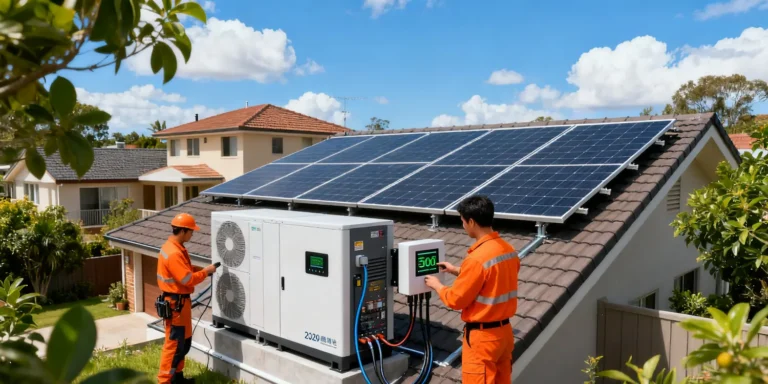
List the always-on draw — interface, monitor controllers, outboard, and a pair of powered monitors — typically 300–800 W, then add headroom for bursts from subwoofers or amplifiers. A 5–10 kWh bank covers an evening session plus a brownout, and pairs naturally with studio solar on the roof to offset daytime tracking. Size the inverter for continuous wattage plus amplifier inrush.
Grounding and Noise
Keep the audio ground separate from the power ground where the gear manual demands it, and run the storage system on its own isolated sub-panel feeding only the studio. A double-conversion inverter regenerates a clean sine wave, killing the switching noise that cheap UPS units pass straight through. Route audio cabling away from DC runs to avoid hum.
Deployment Tips
Put the storage unit in a vented, low-traffic space and monitor state-of-charge remotely so a session never ends mid-take. Test the transfer switch monthly, and keep a small separate UPS on the master clock and computer so the system handoff is seamless. Choose a certified all-in-one with low standby loss.
Solar and Off-Grid Sessions
If the studio sits in a shed or a remote cabin, pair the storage with a modest roof array — 1–2 kW of panels keeps the bank topped through a sunny tracking day and turns the room into a true off-grid booth. Musicians running weekend retreats love arriving to a full bank with no generator hum bleeding into the noise floor. The same system also feeds lighting and climate control, not just audio.
Cost and Payback
A studio-grade storage setup costs more than a desktop UPS, but it replaces both the UPS and a portable generator while protecting expensive converters from a bad day on the grid. For engineers billing hourly, a single lost session avoided pays back a chunk of the system, and the clean-power improvement is audible on every release. Lease-to-own and modular options make the upfront easier to swallow.
What to Put on Backup vs Always-On
Not everything needs the battery. Put the interface, preamps, clock, computer, and monitors on the stored supply, but let HVAC and desk lamps ride the grid — they add load without affecting audio. A simple sub-panel split keeps the bank focused on the signal chain, stretching runtime and shrinking the pack you actually have to buy. Revisit the split after the first month of monitoring.
People Also Ask
Will storage remove ground-loop hum? It helps by isolating the studio on its own clean supply, but you still need proper audio grounding and balanced connections for a silent floor.
Can I run a full studio on batteries? Yes for typical project studios; large console rooms with many power amps may need a bigger bank or generator backup for peak load.
Written by Karl at China Battery Technology. Request a quote.
Related reading: Home Energy Storage for Island Communities: Reliable Off-Grid Power