Home Energy Storage for Boutique Cafe: Shave Peak Bills
Home Energy Storage for Boutique Cafe: Shave Peak Bills
A home energy storage system is not just for houses — the same compact, all-in-one batteries that power homes are a smart fit for a small cafe. Espresso machines, grinders, and refrigerators create sharp power spikes that push a cafe onto expensive demand charges, and a single battery can flatten those spikes while storing midday solar for the evening rush. For a boutique cafe with thin margins, that control over the bill is real money.
Why a Cafe Needs Storage
Commercial tariffs often bill on the highest 15-minute demand each month, so one brutal morning espresso rush can inflate the whole month’s demand charge. A battery discharges during those spikes and recharges when the load drops, capping the metered peak. Add time-of-use pricing and the case gets stronger: charge overnight at the cheap rate, discharge through the costly afternoon window, and keep more of every latte’s margin.
Demand Charges and Coffee Shops
A typical cafe peak is the breakfast-and-lunch surge when every machine runs at once. A 10–15 kWh battery behind a backed-up sub-panel can absorb the spike from grinders and the espresso boiler, trimming demand charges by 20–40% in many cases. The battery does not need to power the whole cafe — it only needs to cover the difference between the normal draw and the monthly peak.
Cafe Storage Sizing
| Goal | Typical size | Primary benefit |
|---|---|---|
| Peak shaving | 10–15 kWh | Lower demand charge |
| TOU arbitrage | 15–25 kWh | Cheaper energy |
| Solar self-use | 10–20 kWh | More on-site solar |
| Short outage cover | 5–10 kWh | POS & fridge uptime |
Solar Plus Storage
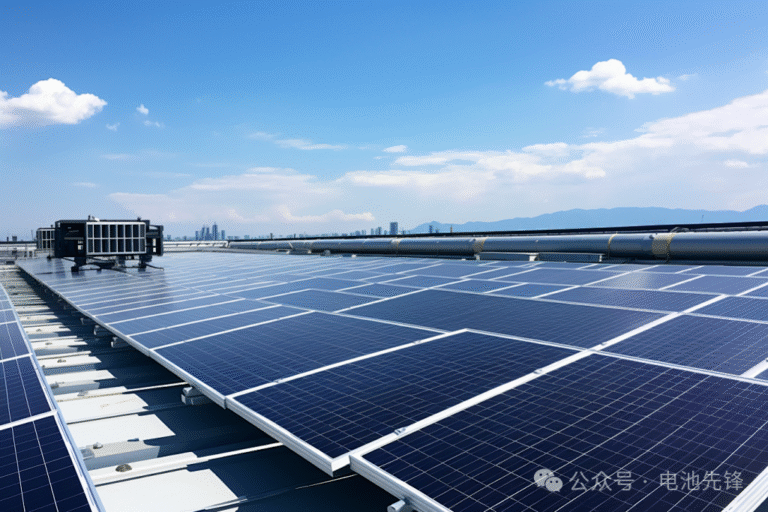
If the cafe has roof or awning solar, the battery stores the midday excess that would otherwise export at a low feed-in rate and serves it during the evening peak when rates and demand are highest. Even without solar, a battery charging on cheap overnight power still captures arbitrage. The all-in-one unit with a certified inverter keeps install simple and reversible if the lease ends.
Deployment Tips
Put only the essential loads — espresso machine, reach-in fridge controller, POS, and lighting — on the backed-up sub-panel so a small battery covers the draw that matters. Choose a unit with remote monitoring so you can see savings and spot a fault before it costs a day of trade. Size to cover at least one full peak-shaving cycle plus a safety margin, and confirm the installer handles the commercial permit.
Permits and Install Practicalities
A commercial battery install is simpler than a generator but still needs the right permit and a qualified installer. Because a small all-in-one unit is plug-and-play behind the meter, the main work is the backed-up sub-panel and the connection to the existing board. Tell the installer you want only essential loads on backup so the battery stays small and affordable, and confirm the unit’s inverter is certified for commercial premises. Keep the paperwork — it matters if you sell or the lease changes hands.
Measuring Your Savings
You cannot improve what you do not measure. Use the unit’s monitoring app to compare the pre-install and post-install demand peak and the share of solar kept on-site versus exported. Most cafes see the demand-charge line fall first, then the energy arbitrage saving build as habits shift — charging overnight, discharging through the afternoon. Review the bill monthly for the first quarter; if the peak is not dropping, the sub-panel likely excludes the real spike load and needs rebalancing.
People Also Ask
Is it safe in a small cafe? Yes — certified all-in-one units have built-in protection and sit in a vented enclosure; no fuel, no fumes like a generator.
People Also Ask
Will it pay back for a small cafe? Where demand charges or TOU spreads are wide, payback is commonly 3–6 years, and the bill stability helps cash flow from month one.
Can I add it to existing solar? Yes — most all-in-one systems retrofit behind the meter and work with or without PV.
Does it keep the lights on during an outage? A backed-up sub-panel keeps the POS, fridge, and lights running through short outages so you can keep serving.
Written by Karl at China Battery Technology. Request a quote.
Related reading: Home Energy Storage for Island Communities: Reliable Off-Grid Power