Home Energy Storage for Veterinary Clinic: Keep Vaccines and Surgery Online
Home Energy Storage for Veterinary Clinic: Keep Vaccines and Surgery Online
A veterinary clinic loses more than revenue in a blackout — a fridge full of rabies vaccines can be written off after four hours, and an anesthetized patient cannot wait for a generator to crank. Small clinics run on residential-scale wiring, so a home energy storage system is usually the right tool: silent, instant, and installable in a storage room. We have specified these systems for animal hospitals in Texas, South Africa and the Philippines; here is the load math and configuration we use.

What Actually Needs Backup in a Clinic
Ranked by criticality: vaccine and medication refrigerator (150–300 W running), anesthesia machine and patient monitor (200–400 W combined), oxygen concentrator (300–600 W), surgical lighting (50–150 W LED), and the practice-management PC and router (150 W). X-ray units draw 1.5–3 kW but only for seconds, so they ride through on inverter surge capacity. Air conditioning is the judgment call — in hot climates the kennel room AC (1–2 kW) belongs on the protected circuit because heat-stressed post-op animals are a genuine clinical risk.
Recommended Configuration: 10 kWh / 5 kW Hybrid
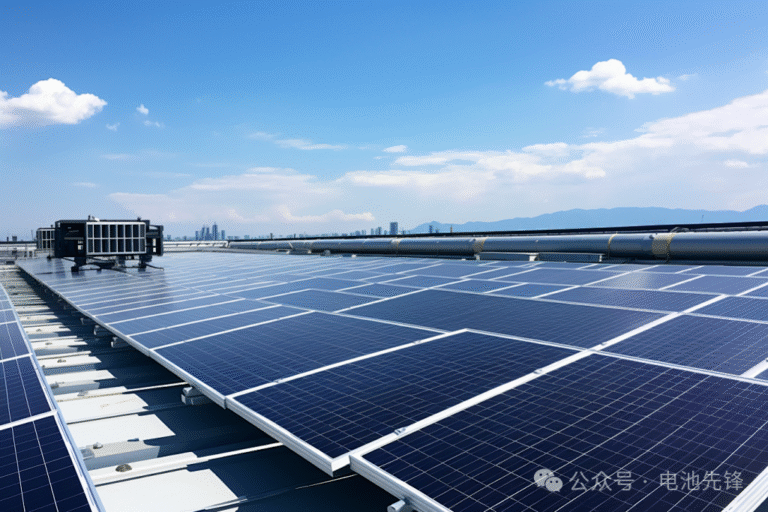
For a one-or-two-vet practice we specify a 51.2 V 200 Ah LFP battery (10.24 kWh) with a 5 kW hybrid inverter. Critical loads without AC average about 1 kW, giving 8+ hours of autonomy; with one AC unit it still covers a 4-hour outage. The hybrid inverter accepts 6 kW of rooftop solar, which most clinic roofs can host, cutting the daytime bill while keeping the battery topped for outages. Transfer time is under 10 ms — fast enough that monitors and concentrators never reboot, which no diesel generator can promise.
Battery Backup vs Diesel Generator for a Small Clinic
| Criterion | 10 kWh LFP + 5 kW hybrid | 7 kVA diesel generator |
|---|---|---|
| Transfer time | <10 ms (no reboot) | 10–30 s + manual start risk |
| Noise at 7 m | <35 dB | 70–80 dB (stresses patients) |
| Indoor installation | Yes, wall-mounted | No — exhaust and fuel storage |
| Runs daily with solar | Yes, offsets tariff | No, outage-only asset |
| 10-year cost incl. fuel/service | ~$4,500–6,000 | ~$8,000–12,000 |
| Maintenance | Firmware check yearly | Oil, filters, load tests monthly |
The generator only wins when outages routinely exceed 24 hours; even then, the better answer is the battery for instant transfer plus a small generator as a second-day charger.
Installation Notes We Give Electricians
Put the vaccine fridge, oxygen concentrator and surgery receptacles on a dedicated critical-loads sub-panel — do not try to back up the whole clinic. Set the battery reserve floor at 30% so daytime solar self-consumption never eats the outage buffer. Enable the BMS’s high-temperature charge derating if the storage room is not air-conditioned. Finally, ask the supplier for IEC 62619 and, in North America, UL 1973 cell certification; clinic insurers increasingly request both documents. Our clinic packages ship pre-configured with these settings, MOQ one unit for pilot sites, 10+ units for distributor pricing.
People Also Ask
How long will a 10 kWh battery run a vaccine refrigerator alone? A modern 250 W medical fridge cycles at roughly 35% duty, drawing about 2.1 kWh per day — so a 10 kWh system with 80% usable capacity keeps vaccines cold for three to four days.
Can the system handle an X-ray machine’s startup surge? Yes. A 5 kW hybrid inverter typically delivers 10 kW for 5–10 seconds, which covers the 2–3 kW momentary draw of small-animal radiography units without tripping.
Does a veterinary clinic qualify for solar-plus-storage incentives? In most markets, yes — the clinic is a small commercial premise, so it qualifies for the same investment tax credits or accelerated depreciation as any small business; check whether medical-refrigeration resilience grants apply in your state or province.
Written by Karl at China Battery Technology. Request a quote.
Related guide: Home Energy Storage System
Related reading: Home Energy Storage for Island Communities: Reliable Off-Grid Power