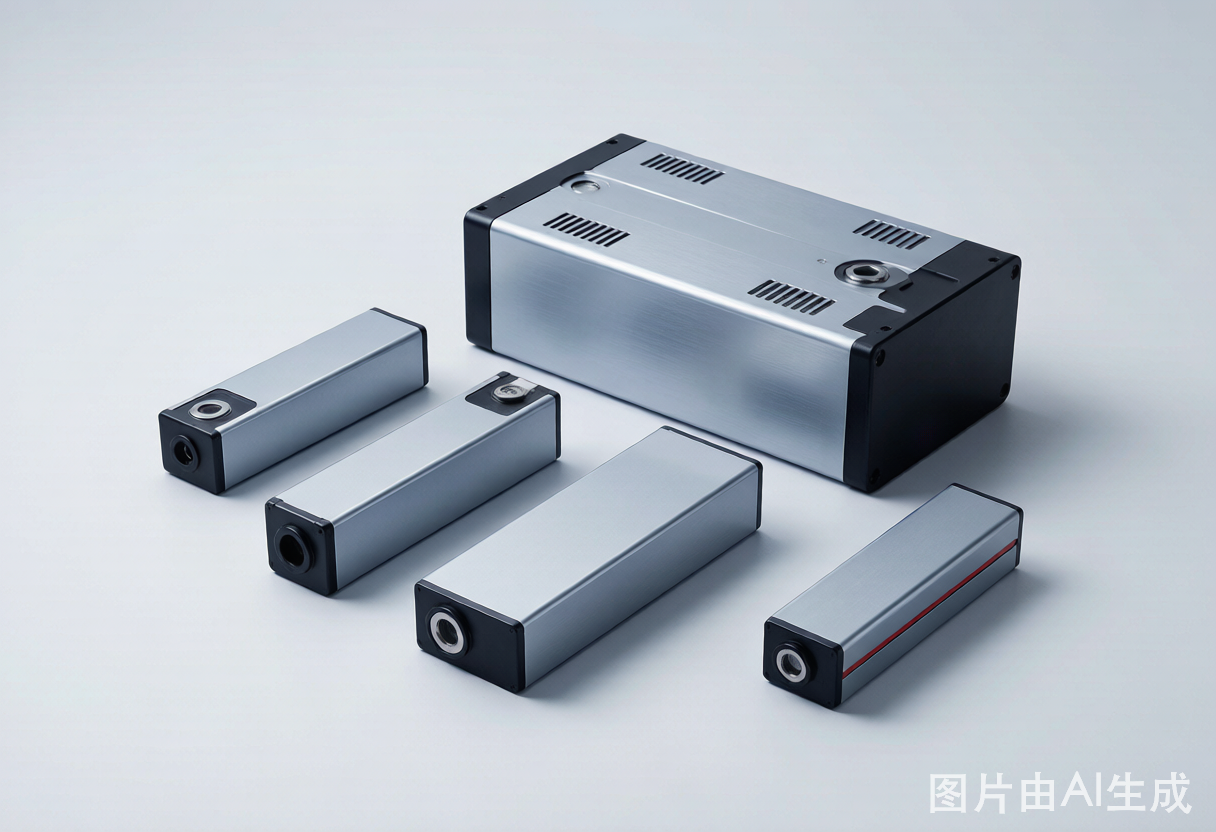
Sodium Ion Battery for Bike Share: Lower OPEX Guide
Bike-share and e-bike-share fleets run thousands of packs where unit cost and swap logistics dominate. A trusted sodium ion battery supplier can lower the per-bike spend. Swappable design keeps the fleet rolling.
Swap Logistics
Standardise one swappable pack so a dock or van can exchange it in seconds without tools or training overhead.
Sodium’s lower cost per pack lets operators deploy more bikes for the same capital, widening service coverage.
Charging Network
Charged packs at depots and docks keep bikes earning; a simple queuing system prevents dock bottlenecks at rush.
Track each pack’s cycle count centrally so aged cells are retired on schedule, not discovered flat by a rider.
Public Safety
Sealed, certified cells with BMS cutoff keep shared deployments safe around the public in streets and stations.
Well-mounted packs resist theft and tampering, protecting the operator’s asset across a city-wide fleet.
Comparison at a Glance
| Need | Solution | Result |
|---|---|---|
| Cost | Sodium | More bikes |
| Swap | Standard | Fast |
| Safety | Certified | Public |
People Also Ask
Why sodium for bike share? Lower per-pack cost and simple swappable design suit large shared fleets.
Frequently Asked Questions
Should packs be swappable?
Yes, standardised swaps keep a city fleet earning through rush hours.
Safe in public?
Certified sealed cells with BMS cutoff protect riders and bystanders.
Key Takeaways
- Standardise pack.
- Depot charging.
- Track cycles.
- Certify cells.
Selection Criteria
When you evaluate a sodium ion battery for bike share, the lowest quote is rarely the best value, because the cheapest pack can fail earliest once it meets real load and temperature swings. A qualified sodium ion battery will help you match capacity, peak discharge rate, and certification to your actual duty cycle rather than a marketing figure on a spec sheet. Prioritise Standardise pack., Depot charging., and Track cycles. during supplier review, and confirm warranty and field-support terms in writing before you commit to a purchase.
Remember that total cost of ownership also includes energy efficiency, expected cycle life, and the availability of spares and local service, all of which frequently matter more than the initial sticker price you are quoted today. Ask for references from operators running the same application, and validate the battery against a representative duty cycle before scaling the deployment across your whole fleet.
- Standardise pack.
- Depot charging.
- Track cycles.
- Certify cells.
As a practical next step, shortlist two or three suppliers and request a reference installation in an application close to yours. A credible sodium ion battery will share independent case studies, validated test data, and an operator contact you can call. Compare the support offered after the sale as carefully as the headline specification, because that ongoing support often decides whether the sodium ion battery for bike share delivers its promised value across the full service life rather than only on the first day of operation.
Finally, document your acceptance criteria before delivery: the test results, warranty terms, and service response time you expect in writing. Clear expectations prevent disputes later and give both sides a measurable standard for a successful and repeatable handover of the system.
Pack Standardization and Swaps
A bike-share fleet lives or dies on interchangeability, so every pack must be the same physical shell, connector, and communication protocol regardless of which bike it lands in. A standardized sodium module that a dock or service van exchanges in under a minute removes the single biggest cause of idle bikes: a flat battery waiting hours for a charge. Sodium’s lower cost per pack is what makes carrying a rotating spare pool affordable, so a city fleet can deploy more active bikes for the same capital instead of parking chargers. Stamp each pack with a QR or NFC tag linked to its cycle count and last service date, and design the dock contacts to shed rain and grit, because a corroded connector is the quiet killer of swap reliability across a thousand-bike system exposed to weather year-round.
Dockless vs Docked Charging
Docked systems concentrate swaps and charged spares at known points, which simplifies inventory and lets a single technician service dozens of packs per shift, but they constrain where riders can leave bikes. Dockless fleets trade that control for coverage, relying on vans that roam to swap packs and rebalance bikes, which means the sodium pack must survive being dropped, kicked, and rained on between swaps. Either model benefits from sodium’s stable, sealed cells with a BMS cutoff, because a shared pack sees rougher handling than any consumer e-bike. Centralize cycle-count tracking so aged cells retire on schedule rather than being discovered flat by a paying rider at the bottom of a hill, and keep a small buffer of charged packs at each depot so a morning rush never starts with a half-charged fleet.
Theft, Weather, and Vandalism
Shared packs invite tampering, so the enclosure should be tamper-evident and the BMS should log unauthorized opening and unusual discharge, letting operators flag and recover stolen modules by their last-known GPS from the bike. Sodium’s intrinsic safety lowers the consequence if a pack is punctured or submerged, because it lacks the dendritic lithium failure mode and has a higher thermal-runaway threshold than high-nickel cells, which matters when a bike is abandoned in a stairwell or a storm drain. Still, specify IP54 or better sealing and a well-mounted cradle that resists pry bars, and brief field staff to quarantine any pack showing case damage rather than swapping it back into service, because one compromised module can sour a whole depot’s reliability numbers.
Fleet Health and Retirement
With thousands of packs in rotation, health management is a data problem before it is a hardware problem. Pull per-pack cycle count, imbalance, and temperature events from the BMS, and set a hard retirement at 80% capacity or a flagged fault, whichever comes first, so riders never meet a pack that quits mid-ride. Because sodium costs less per kWh than lithium, over-provisioning slightly and retiring early is cheaper than the support cost of roadside failures and angry customers. Negotiate a supplier take-back or repurposing path for retired packs, since even spent modules hold value for stationary storage, and document the handling for the city’s sustainability reporting. A sodium ion battery supplier who exposes the register map lets your software team automate all of this instead of guessing from a blink code.
Frequently asked questions
Why standardize one swap pack across the fleet?
Interchangeability lets a dock or van exchange a flat module in under a minute, and sodium’s lower per-pack cost makes a rotating spare pool affordable, so more bikes stay active for the same capital.
Is sodium safe in a shared, abused pack?
Largely yes for this duty. Sodium lacks dendritic lithium risk and has a higher thermal-runaway threshold than high-nickel cells, and with IP54 sealing and a BMS cutoff it tolerates the rough handling shared bikes see.
How do you keep packs from failing mid-ride?
Track cycle count, imbalance, and temperature from the BMS, retire at 80% capacity or on a flagged fault, and keep a buffer of charged packs at each depot so the morning rush starts fully ready.
What happens to retired share packs?
Negotiate supplier take-back or repurposing; spent sodium modules still hold value for stationary storage, and documenting the handling supports the city’s sustainability reporting and lowers net fleet cost.
Written by Karl at China Battery Technology. Request a quote.
Related reading: Sodium-Ion Battery for Offshore Platforms: Safer Remote Power
Related Reading
- sodium-ion battery technology guide
- Sodium Ion Battery for Off Grid Cabin: Quiet Power
- Sodium Ion Battery for Mining Light Vehicle: Value