Semi-Solid Battery Supply Chain: Build Resilience Guide
A battery is only as secure as its supply chain, from cathode materials to cell lines. A trusted semi solid state battery supplier should show multi-region resilience. Concentration risk is a strategic liability.
Material Sourcing
Lithium, nickel, and process chemicals must be sourced with traceability and contingency against price and access shocks.
Diversifying suppliers and qualifying alternates protects production when a single region or trade lane disrupts.
Manufacturing Footprint
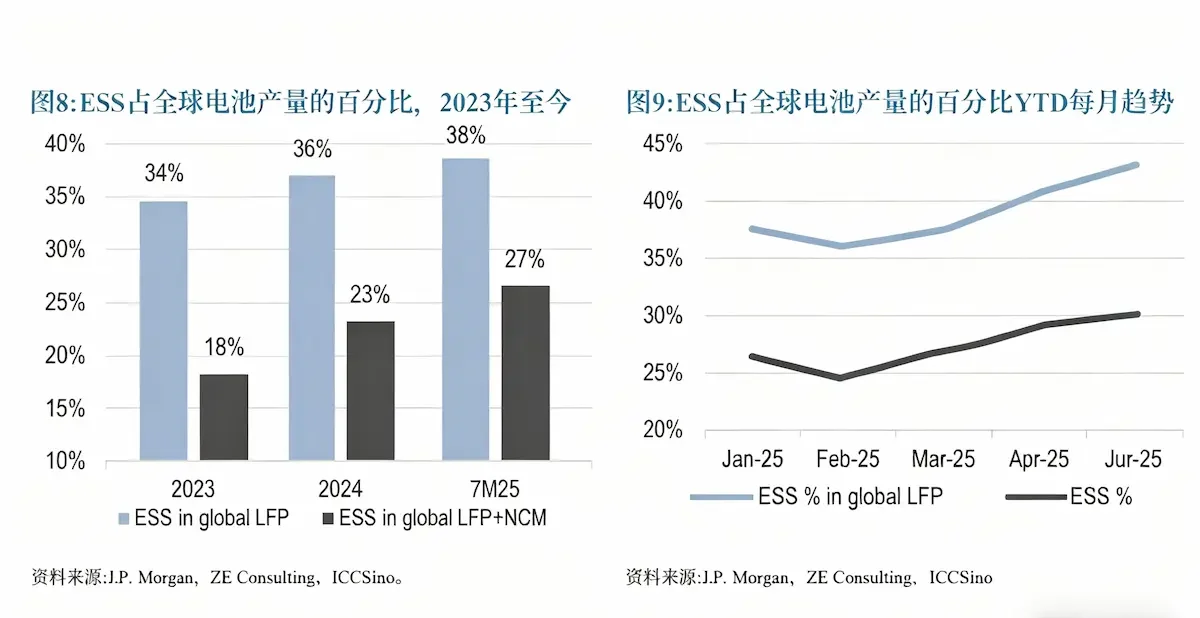
Multiple qualified lines in different regions reduce single-point failure and shorten logistics to regional customers.
Local content rules in some markets make a distributed footprint not just resilient but commercially necessary.
Visibility and Buffers
Real-time material and finished-goods visibility lets you act before a shortage becomes a stoppage on the line.
Strategic buffers of long-lead items cost less than a halted gigafactory when a critical input suddenly thins.
Comparison at a Glance
| Layer | Risk | Mitigation |
|---|---|---|
| Materials | Shock | Diversify |
| Lines | Single | Multi |
| Logistics | Lane | Buffer |
People Also Ask
How to de-risk the supply chain? Diversify materials, qualify multiple regional lines, and keep visibility plus buffers on long-lead items.
Frequently Asked Questions
Why multiple regions?
It removes single-point failure and meets local-content rules in some markets.
What buffer strategy helps?
Strategic stock of long-lead items costs less than a halted production line.
Key Takeaways
- Diversify materials.
- Qualify regions.
- Track visibility.
- Buffer long-lead.
Selection Criteria
When you evaluate a semi solid state battery supply chain, the lowest quote is rarely the best value, because the cheapest pack can fail earliest once it meets real load and temperature swings. A qualified semi solid state battery will help you match capacity, peak discharge rate, and certification to your actual duty cycle rather than a marketing figure on a spec sheet. Prioritise Diversify materials., Qualify regions., and Track visibility. during supplier review, and confirm warranty and field-support terms in writing before you commit to a purchase.
Remember that total cost of ownership also includes energy efficiency, expected cycle life, and the availability of spares and local service, all of which frequently matter more than the initial sticker price you are quoted today. Ask for references from operators running the same application, and validate the battery against a representative duty cycle before scaling the deployment across your whole fleet.
- Diversify materials.
- Qualify regions.
- Track visibility.
- Buffer long-lead.
As a practical next step, shortlist two or three suppliers and request a reference installation in an application close to yours. A credible semi solid state battery will share independent case studies, validated test data, and an operator contact you can call. Compare the support offered after the sale as carefully as the headline specification, because that ongoing support often decides whether the semi solid state battery supply chain delivers its promised value across the full service life rather than only on the first day of operation.
Finally, document your acceptance criteria before delivery: the test results, warranty terms, and service response time you expect in writing. Clear expectations prevent disputes later and give both sides a measurable standard for a successful and repeatable handover of the system.
Traceability of Cathode and Anode Precursors
A cell is only as clean as its inputs. Lithium carbonate, nickel sulphate and the conductive additives each pass through several refiners before reaching the cathode line, so demand a batch-level bill of materials and smelter certificates. A supplier that can name the mine and refinery for each precursor lets you prove origin for ESG audits and avoid sanctioned or conflict-linked material. Multi-source each critical input: qualify a second nickel or lithium supplier so a price spike or export control in one region does not stall your assembly. Keep the certificates on file against the cell lot code for the product’s full warranty life.
Qualifying Cell Lines and Dual Sourcing
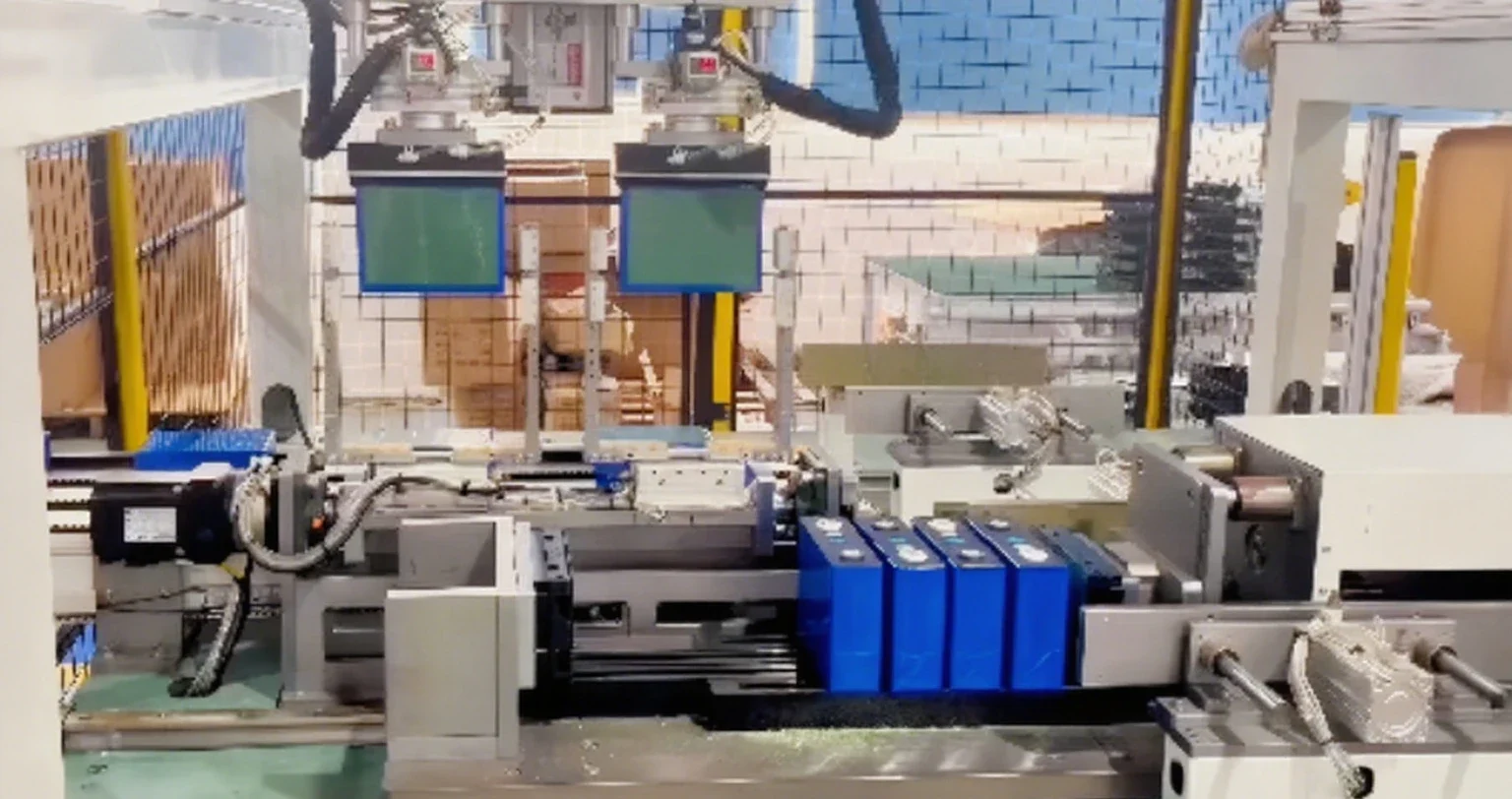
A single gigafactory is a single point of failure. Require the supplier to maintain at least two qualified lines, ideally in different provinces or countries, so a flood, power cut or local lockdown does not stop shipments. Run a short qualification build from the backup line before you depend on it, because process drift between sites is real. For buyers outside China, a line with local content or a nearby finishing plant also eases tariff exposure and shortens lead time from weeks to days. Treat the second line as live capacity, not a paper backup.
Logistics, Incoterms and UN 38.3 Shipping
Batteries are dangerous goods. Every shipment needs UN 38.3 test summary, correct Class 9 labelling and a declared state of charge below 30 percent for air or a compliant sea declaration. Choose Incoterms that match your risk appetite: FOB pushes transit risk to you at the port, while DDP leaves customs and delivery to the seller but costs more. Build in two to three weeks of buffer for sea freight and customs clearance, and pre-book container space before peak season. A missed vessel is the most common cause of a line stoppage that no amount of inventory planning elsewhere can fix.
Audit and ESG Documentation
Buyers increasingly ask for a carbon footprint per kilowatt-hour and evidence of responsible labour and water use. Request the supplier’s third-party audit, ISO 14001 and, where relevant, a battery passport or material declaration. Store these against the lot code so a downstream customer’s questionnaire takes hours, not weeks. A supplier that resists documentation is a resilience risk in itself; the best partners publish a sustainability report and welcome a factory visit, because transparency is now part of supply-chain security, not a nice-to-have.
| Layer | Main risk | Mitigation |
|---|---|---|
| Precursors | Price, access | Dual-source, certificates |
| Cell lines | Single-point | Two qualified sites |
| Logistics | Delay, customs | Buffer stock, DDP option |
| ESG | Audit failure | ISO audits, passport |
Frequently asked questions
Why dual-source the cell line?
Two qualified factories remove the single-point failure of a flood, outage or local lockdown at one site. The backup must be run through qualification first, not kept as a paper plan, so it is genuinely ready.
What documents prove safe shipping?
You need a UN 38.3 test summary, Class 9 lithium labels and a declared low state of charge. For sea freight add the IMO declaration; for air, the IATA packing instruction and state-of-charge limit.
How do I verify material origin?
Ask for a batch bill of materials with smelter certificates tied to the cell lot code. Independent assay or a supplier audit confirms the chain if the volume justifies the cost.
Does local content matter for tariffs?
Often yes. A finishing or assembly step in your region can change the country of origin and lower duty. Discuss Incoterms and a nearby line with the supplier before committing volume.
Written by Karl at China Battery Technology. Request a quote.
Related reading: Semi-Solid State Battery for VR Headsets: Lighter, Safer Immersion
Related Reading
- semi-solid-state battery guide
- Semi-Solid Battery for Cargo Bike: Haul More Guide
- Semi-Solid Battery Safety Standards: What to Demand