Home Energy Storage and V2G Vehicle-to-Grid Explained
Home Energy Storage V2G Vehicle-to-Grid Explained
Your electric car is a giant battery on wheels. Vehicle-to-grid (V2G) lets that battery power your home or sell energy back to the grid. Paired with a home energy storage system, it turns transport into a flexible energy asset instead of a parked liability depreciating in the driveway.
How V2G Works
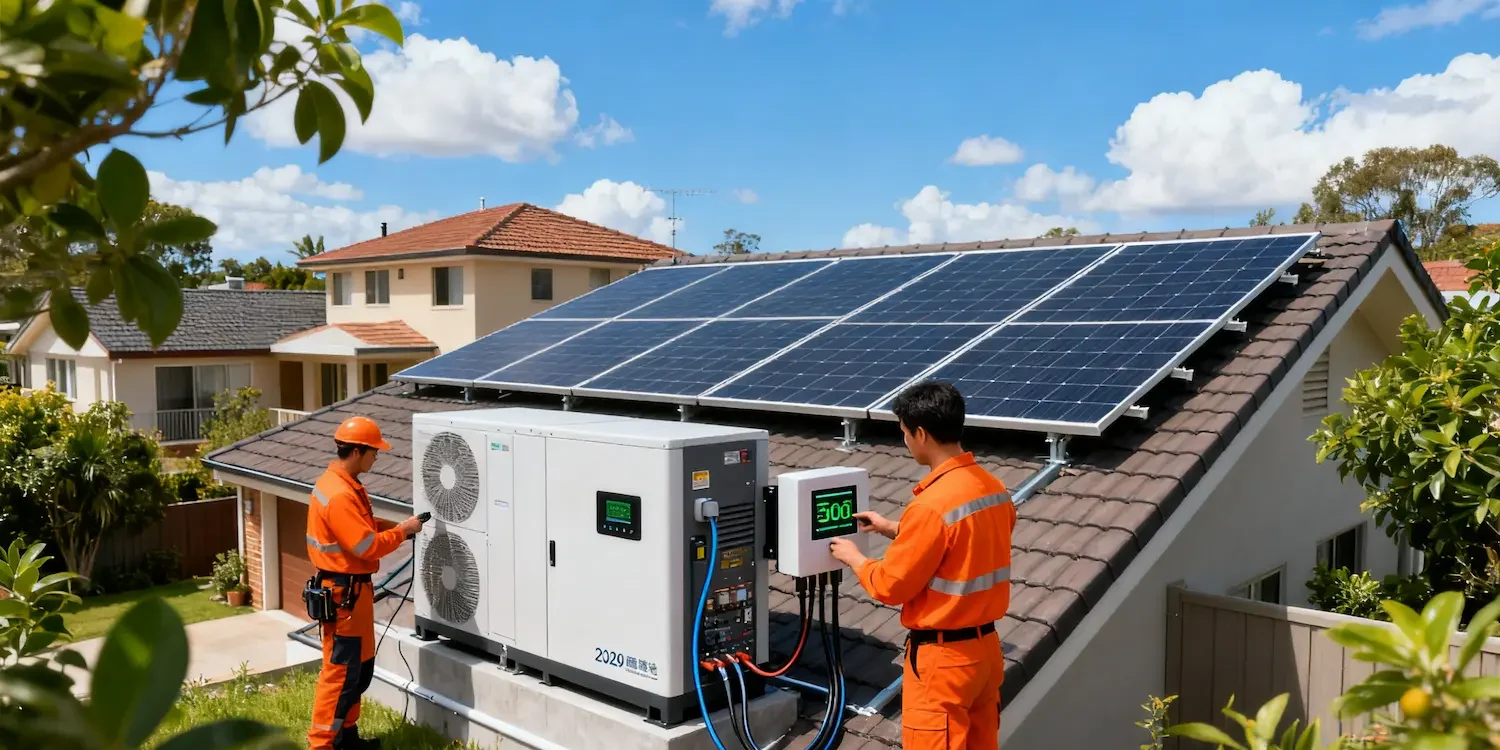
A bidirectional charger moves energy both ways. At night or during peak pricing, the car (or home battery) discharges to cover load or export power. When rates are low or solar is plentiful, both recharge. The home battery smooths the flow and covers the gap when the car is away at work during the day.
V2G Value Streams
| Use | Benefit |
|---|---|
| Peak shaving | Lower electricity bills |
| Backup power | Car powers home in outage |
| Grid services | Earn from frequency response |
| Solar self-use | Store daytime sun for night |
Pairing With Battery Application Solutions
Well-designed battery application solutions coordinate the car, home battery, and solar so the house never strands the vehicle below a driver-set minimum. This orchestration is what separates a working V2G setup from one that annoys the owner by leaving them with a flat car and a missed meeting.
Procurement Checklist
You need a V2G-capable EV, a bidirectional charger, and often a home energy management system. A home energy storage system adds resilience when the car commutes. Check local interconnection policy, because grid-export rules vary by region and utility and affect payback.
Risk and Limits to Manage
V2G only pays if the car is usually home and you set a sensible minimum reserve so you never strand yourself. Start with a single circuit or appliance export, learn the pattern, then expand. Utilities differ wildly on tariffs and interconnection, so model the actual rate schedule—including demand charges—before assuming V2G saves money in your region.
Key Takeaways for Buyers
Start small: export only a single circuit or a modest slice of capacity, set a reserve so the car is always ready, and learn the pattern before expanding. Utility tariffs and interconnection rules vary enormously, so model your actual rate schedule, including demand charges, before assuming savings. V2G rewards disciplined owners and penalizes those who treat the vehicle battery as free grid storage.
People Also Ask: Does V2G Wear Out My EV Battery?
Modest additional cycling does add wear, but most V2G programs keep the battery within a protected band (e.g., 20–80%) and many automakers now warrant bidirectional use. The energy savings and backup value usually outweigh the modest degradation for well-designed battery application solutions in the field.
Frequently Asked Questions
What do I need to start?
A V2G-capable EV, a bidirectional charger, and often a home energy management system. Grid-export rules vary by region, so check local interconnection policy before buying hardware and commissioning the system.
Should I still buy a home battery?
If the car is home most evenings, it may suffice alone. A small home battery adds resilience when the vehicle is commuting and provides instant backup without depleting the car’s range for the morning commute.
Written by Karl at China Battery Technology. Request a quote.