Solid-State Batteries for Industrial Robotics and AGVs
Solid State Battery Industrial Robotics and AGV Applications
Factories run robots and automated guided vehicles (AGVs) in relentless charge-discharge loops. A semi solid state battery is attractive here because it promises faster charging and longer cycle life than today’s lithium packs, shrinking downtime on the shop floor and raising fleet utilization across shifts.

Why Robotics Needs Better Cells
AGVs often opportunity-charge during short breaks. High C-rate tolerance and minimal degradation under partial cycles directly raise fleet utilization. Solid-state’s wider electrochemical window also supports higher voltage buses, reducing copper and weight in mobile platforms moving heavy payloads around a plant without sacrificing safety margins.
Comparison for Automated Fleets
| Metric | Lithium-ion | Solid-state (target) |
|---|---|---|
| Cycle life | 2,000–4,000 | 5,000+ (target) |
| Peak charge rate | 1–2C | 3–5C (target) |
| Fire risk | Low-moderate | Very low |
| Cost today | Low | High |
Integration With Battery Application Solutions
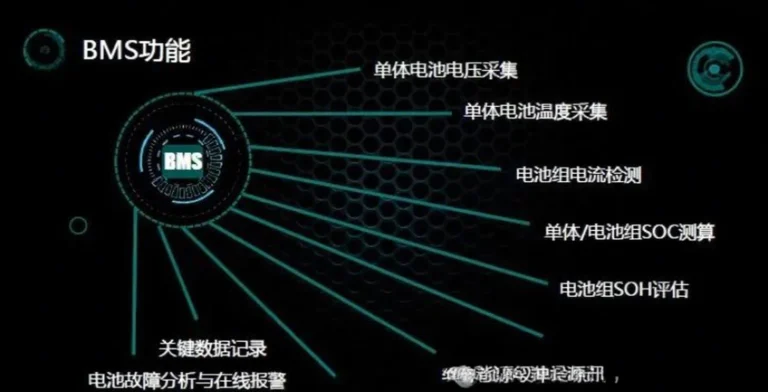
Most battery application solutions for robotics start from a clean pack architecture rather than retrofitting old lead-acid AGVs. A purpose-built pack pairs the cell with a BMS that reports state over the plant network, letting maintenance schedule swaps before a robot stalls mid-shift and blocks an entire assembly line.
Procurement Considerations
Evaluate total cost per cycle, not price per kWh. A semi solid state battery that charges in half the time and lasts twice as long can justify a steep premium in a 24/7 facility where downtime costs more than the cells themselves and idle robots still draw labor.
Total Cost of Ownership Math
Build a simple per-cycle model: pack price divided by expected cycles, plus downtime cost per swap, minus labor saved by faster charging. In a 24/7 plant, a solid-state pack that needs half the swaps can pay back its premium within two years even at current prices, before counting the safety dividend of removing flammable electrolyte from a busy floor.
Key Takeaways for Buyers
Plant engineers should pilot one cell line first, measuring actual swap frequency and downtime before scaling. The safety case alone, removing flammable electrolyte from a busy floor, often justifies the premium in regulated or high-value environments. Pair the trial with existing energy-management metrics so the business case rests on measured numbers rather than vendor claims about cycle life.
People Also Ask: Can Solid-State Replace Lead-Acid in Existing AGVs?
For new designs, yes—with a redesigned battery compartment and BMS. Retrofitting old lead-acid AGVs is rarely worth it; the voltage, charging, and thermal profiles differ too much. Clean-sheet designs capture the full benefit without compromise.
Frequently Asked Questions
Is the higher cost justified?
In high-utilization fleets, fewer pack swaps and less downtime can offset premium pricing within two to three years. Low-duty bots should stick with lithium-ion for now to protect the budget.
What about safety in confined spaces?
Solid-state’s non-flammable electrolyte reduces facility fire-suppression load, a real advantage in indoor warehouses with dense automation and people working nearby every shift.
Written by Karl at China Battery Technology. Request a quote.