Sodium-Ion Battery for Aquarium: Quiet Backup for Life Support
Sodium-Ion Battery for Aquarium: Quiet Backup for Life Support
A recirculating aquarium is a life-support machine. Pumps, aerators, chillers, protein skimmers, UV sterilizers and dosing controllers all assume continuous power, and a two-hour outage in a warm, heavily stocked system can cost a facility its entire collection. Backup for that load has usually meant lead-acid in a cupboard or a diesel genset nobody wants running indoors overnight. A sodium ion battery sits between the two: cheaper per kilowatt-hour than lithium iron phosphate, tolerant of cool plant rooms, and stable enough to install in public areas. This guide covers sizing, placement and the details that decide whether the backup works in a real outage.
What Actually Has to Stay Running
The instinct is to back up everything, which doubles the size of the bank for no benefit. Split the load into three tiers. Tier one is life support: circulation pumps, aeration and the controller that manages them. Tier two is temperature control, which matters on a timescale of hours rather than minutes for most systems. Tier three is display — lighting, wave pumps, and anything cosmetic that can drop without consequence. Most facilities find tier one is 15 to 30% of the total connected load, and designing around it turns an expensive project into a reasonable one.
Why Sodium-Ion Fits This Duty
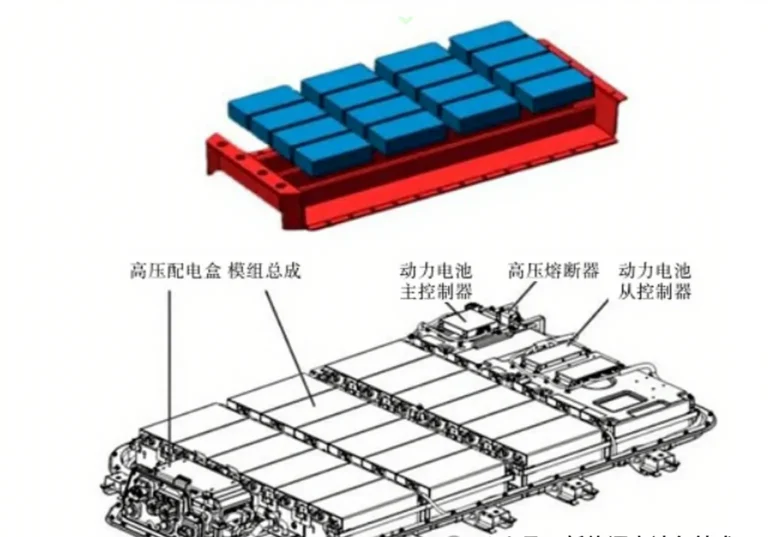
Sodium-ion cells trade some energy density for a cost structure that does not depend on lithium or cobalt pricing, which matters most on the large, slow, rarely-cycled banks that backup duty produces. They tolerate cool and cold plant rooms better than many lithium chemistries, hold charge well across months of standby, and carry a thermal profile that suits installation in or near public galleries. For a bank that will sit at full charge for eleven months and then be asked for four hours of autonomy, that combination is hard to argue with.
Aquarium Backup Options Compared
| Attribute | Sodium-Ion | LiFePO4 | Valve-Regulated Lead-Acid |
|---|---|---|---|
| Capex per usable kWh | Lowest | Medium | Low |
| Cycle life | 2000–4000 | 3000–6000 | 300–500 |
| Cold-room performance | Good | Reduced while charging | Poor |
| Standby self-discharge / month | Low | Very low | 5–10% |
| Footprint for 20 kWh | Medium | Smallest | Largest |
| Public-area installation | Suitable | Suitable | Venting needed |
Sizing by Autonomy, Not by Inverter Rating
Suppliers quote inverters by peak kilowatts and buyers size from that number, which is backwards. Decide the autonomy you need first — typically two hours for a municipal supply with fast restoration, six to eight hours for a rural site or a facility holding irreplaceable stock — then multiply the tier-one running load by that duration and divide by the inverter efficiency. A system drawing 3 kW of tier-one load needs 6 kWh plus losses for two hours, so a 10 kWh bank with a 5 kW inverter gives comfortable margin.
Placement, Noise and Public Safety
Backup plant for an aquarium usually ends up in a plant room that is already crowded and humid. Keep the bank off the floor on a plinth, away from salt spray and any pipework that could leak onto it, and check that the room’s ambient temperature stays inside the manufacturer’s charging window — a cold gallery basement is fine for discharge but may need heating before the bank can safely accept charge. Inverter fans are the only noise source, so a fanless unit or a remote inverter location keeps the gallery silent.
Monitoring and Proof Testing
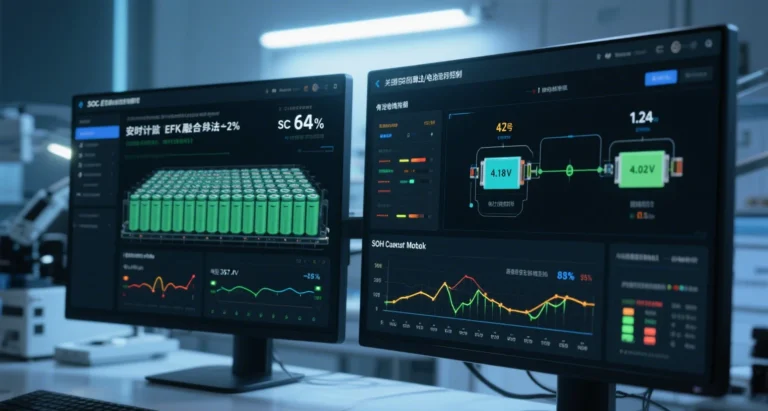
A backup system that has never been discharged is an assumption, not a system. Fit a shunt or a battery monitor with logging so you can see state of charge remotely, and run a scheduled discharge test to 50% twice a year under a controlled load. Log the result: the trend in delivered capacity tells you when the bank is ageing out long before an outage does.
What to Ask a Supplier
Ask what the guaranteed capacity is at your discharge rate and at your plant-room temperature, not just at 25°C and 0.2C. Ask whether the BMS logs balance history you can export, what the low-voltage disconnect behaviour is under a motor starting surge, and whether the warranty assumes a defined test regime. A supplier who has done life-support duty before will ask about your tier-one load before they quote.
People Also Ask
How long should aquarium backup autonomy be? Two hours covers most urban outages and is the usual starting point. Facilities holding irreplaceable stock, or sites on unreliable rural feeders, typically specify six to eight hours of tier-one autonomy instead.
Can the backup run the chillers as well? It can, but chiller compressor start-up surges are the single biggest driver of inverter size. Confirm the locked-rotor current with the chiller manufacturer and size the inverter for the surge, not the running figure.
Is a sodium-ion bank safe in a public building? Sodium-ion chemistry has a favourable thermal profile, and banks ship with a BMS and overcurrent protection. You still need a dedicated, ventilated enclosure and clear labelling, and your insurer should see the installation drawings before commissioning.
What happens if the outage lasts longer than the bank? The bank should hand over to a generator or a controlled shutdown rather than simply run flat. Decide the priority order in advance — aeration and circulation first, then temperature, then everything else — and program the load-shedding accordingly.
Written by Karl at China Battery Technology. Request a quote.