Lithium Battery for Solar Energy Storage: Design Basics
Lithium Battery for Solar Energy Storage: Design Basics
A solar storage battery is deceptively easy to spec and easy to get wrong. The duty looks gentle—a slow daily charge from panels, a slow evening discharge—but the design details decide whether the bank lasts three years or twelve. This guide walks through the basics a procurement manager needs: how to size the bank, which chemistry fits, how the BMS and inverter must cooperate, and the failure modes that quietly destroy banks that were specced on price alone. Start with a lithium battery manufacturer who treats solar as a system, not a cell sale, because the integration is where solar banks succeed or fail.
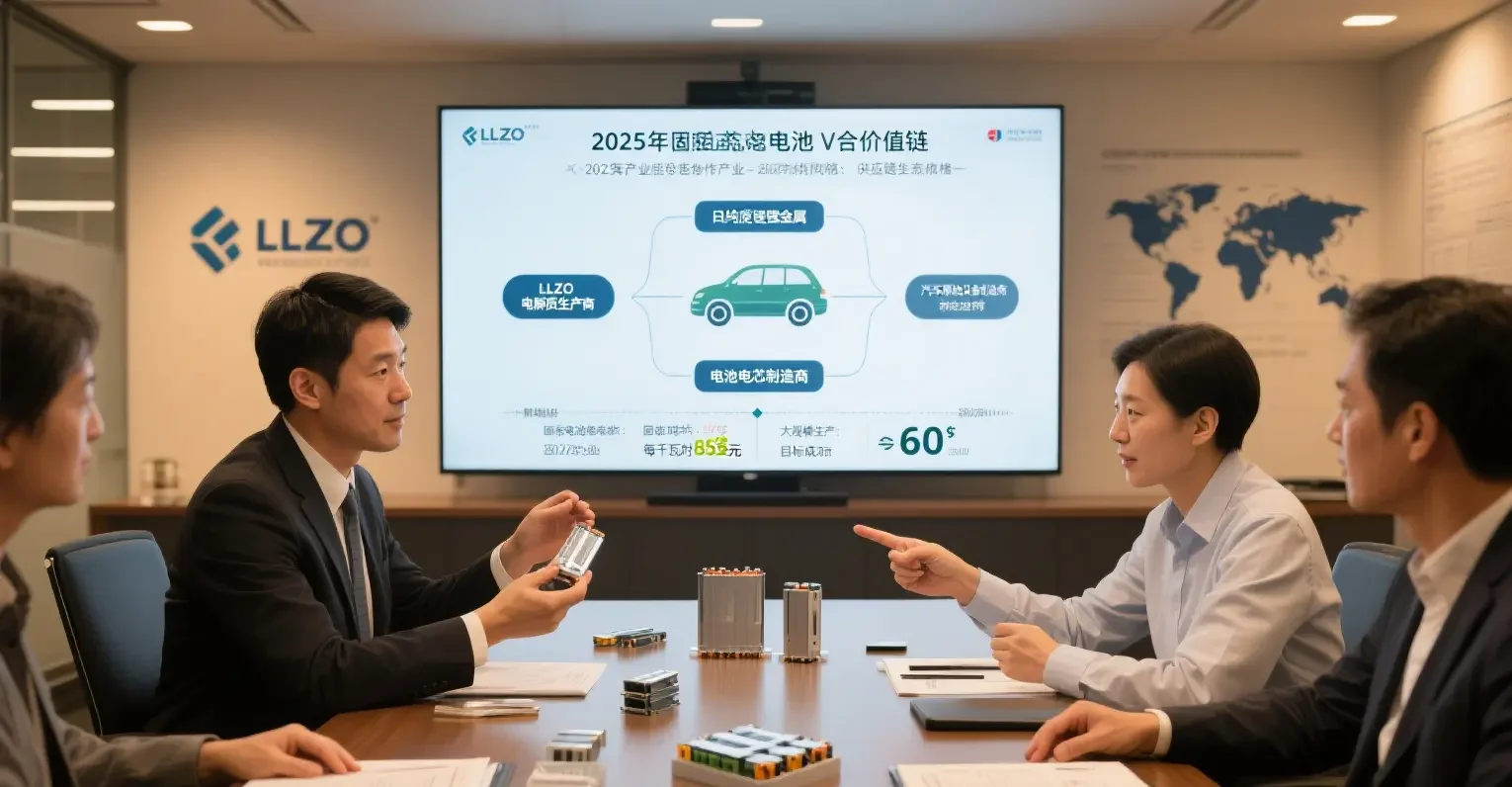
How a solar storage bank actually works
During the day the array pushes current into the bank; at night the load pulls it back out. The bank is a buffer between intermittent generation and a load that does not care when the sun shines. Lithium suits this duty because it accepts partial charges without the memory effect that plagued lead-acid, and it delivers most of its nameplate capacity without the painful taper lead-acid forces on you. The catch is that the inverter, charge controller and BMS must agree on voltage windows and charge profiles, or the bank sits undercharged, overheats, or refuses to accept power. Solar storage is a marriage of three devices, and the battery is only one of them; the spec must describe the marriage, not just the cells.
Sizing the bank for your load and sun
Size the bank to cover the hours of load you cannot cover from the array, with a buffer for cloudy days. A common rule is to size for one to three days of essential load at your real depth-of-discharge, not the annual peak. If your evening load is 5 kWh and you want two cloudy days of cover, you need roughly 10 kWh of usable energy; at an 80% depth limit that is a 12.5 kWh nameplate bank. Oversize and you waste capital; undersize and the lights go out on the second grey day, which is the failure users remember. Run the sizing at your latitude’s worst winter sun, not the spring average, because that is the day the bank is stressed and the support call arrives.
Chemistry choice: LFP, sodium and the trade-offs
LFP is the workhorse for solar storage: safe, long-lived, and cheap per cycle, with the thermal tolerance a rooftop or outbuilding demands. A sodium-ion battery is an emerging option for large fixed banks where weight is irrelevant and cold tolerance helps, because sodium shrugs off low temperatures that force LFP to limit charge. Sodium’s lower density just means a larger enclosure, which is free in a utility room. For most residential and commercial solar today, LFP remains the rational default; sodium is worth a pilot on the stationary, weight-irrelevant slice where its material security and cold edge pay off. The choice is duty-driven, not fashion-driven.
The role of the charge controller and BMS
The charge controller sets the voltage and current the bank receives; the BMS enforces the cell-level limits and balances the string. They must speak the same profile, or the controller will over-charge a weak cell while the BMS silently disconnects the whole bank. Specify a controller that supports lithium charge profiles (bulk, absorption, float replaced by a constant-voltage taper) and a BMS that reports state-of-charge and state-of-health over the bus. A battery application solutions supplier who integrates both will hand you one documented behaviour; buying them separately and hoping is how banks develop mysterious morning resets.
Depth-of-discharge and why it decides life
Lithium solar banks age fastest when routinely drained deep. Capping daily depth at 80% roughly doubles cycle life versus 100%, and capping at 70% extends it further at the cost of more nameplate capacity. The economic sweet spot for most systems is 80% depth with LFP, which delivers 3,000 to 6,000 cycles at that level. The mistake is sizing the bank so tightly that every day hits 100% depth; you save on cells and pay in replacements. Build the depth limit into the inverter’s settings, not the operator’s discipline, because settings are enforced and discipline is not.
Temperature and where you put the bank
Lithium prefers 15 to 35 °C. A bank in a hot garage or a sun-baked cabinet ages faster and may trip its BMS; a bank in an unheated shed in winter needs a charge-temperature cutoff so it is not charged while cold. The enclosure is a design item, not a box: ventilate it, shield it from direct sun, and keep it where you can read the BMS telemetry. For a home energy storage system the placement decision is the cheapest reliability investment you will make, and skipping it quietly voids the cycle-life claim regardless of which cells you bought.
Off-grid versus grid-tied design
Grid-tied banks mostly shift self-consumption and ride through short outages, so they see gentle, predictable cycles and a modest depth. Off-grid banks carry the whole load for days, so they cycle deeper and harder and need more nameplate and more robust BMS balancing. The same chemistry serves both, but the sizing, the depth limit and the backup generator handshake differ sharply. Spec the bank for the worst week you actually face, not the average day, and decide up front whether the generator or the bank covers the multi-day grey stretch, because that decision sets the bank size and the capital you commit.
Inverter compatibility checklist
| Item | What to verify |
|---|---|
| Voltage window | Inverter and BMS agree on bulk/absorb/float or taper |
| Communication | CAN/RS485 so SoC is shared, not guessed |
| Charge profile | Lithium profile, not lead-acid default |
| Peak surge | Inverter startup surge within BMS peak rating |
| Islanding | Clean handoff to backup source for off-grid |
Walk the checklist with both the inverter and battery vendors before purchase. Most solar-bank failures are integration mismatches, not cell defects, and the checklist surfaces them on paper instead of at 2 a.m. during a blackout.
Semi-solid as a future solar option
A semi-solid-state battery packs more energy per volume, which matters where the bank must fit a tight indoor cavity rather than a free utility room. For most solar duty the density premium does not pay, because stationary space is cheap and LFP is cheaper per cycle. Semi-solid earns a look only where footprint is the constraint—a compact urban install, a space-constrained cabinet—and even there you must confirm the cell is rated for stationary 10-year life, not just portable use. Treat semi-solid as a space solution, not an economy one, and pilot it where the cavity is the bottleneck.
Monitoring and maintenance basics
Once installed, log throughput monthly via the BMS: amp-hours in and out, per-cell voltage, and temperature history. A sudden capacity drop signals a weak cell or a connector heating up, and catching it early prevents a cascade. Solar banks are mostly maintenance-free, but the one habit that pays is reading the telemetry before something fails, not after. Pair it with the cycle-based warranty language so a short-lived bank is a supplier problem, not your write-off, and keep the BMS log in a format you control so the data survives even if the vendor relationship ends.
Total cost of ownership for a solar bank
The sticker price of a solar battery is the least important number. The cost that matters is dollars per usable kilowatt-hour delivered over the bank’s life, which folds in cycle life, depth limit, replacement frequency and the inverter losses. An LFP bank that costs 30% more up front but lasts three times as long and needs no equalisation visits usually wins on total cost against a cheap pack that you replace twice. Model it over ten years at your real depth and duty, including the labour of a truck roll to swap a failed bank, and the ranking often inverts from the headline. A disciplined buyer prices the delivered energy, not the cells, and resists a low quote that hides three replacements inside the warranty period. The total-cost view also exposes the false economy of skipping the BMS telemetry, because an unmonitored bank fails at the worst time and the truck roll to discover it costs more than the logging ever would.
Frequently asked questions
What depth should I limit a solar bank to? 80% for LFP as a rule; it roughly doubles life versus 100% and costs only modest extra nameplate.
Is sodium ready for solar storage? For large fixed banks where weight is free and cold tolerance helps, yes as a pilot; LFP remains the default today.
Why does the inverter matter as much as the cells? A mismatch in voltage window or charge profile silently undercharges or overheats the bank.
Where should the bank live? Cool, ventilated, out of direct sun; placement is the cheapest reliability investment you make.
Written by Karl at China Battery Technology. Send us your load profile and sun data and we will size the bank—request a quote for a solar storage design that lasts.
Related Reading
- custom lithium battery manufacturer
- Lithium Battery for Telecom Tower Backup: Site Reliability
- Lithium Battery for UPS and Data Center: Bridge Power Done Right