Lithium Battery for Fish Finder: Light Trolling Power
lithium battery for fish finder
Anglers who upgrade from lead-acid quickly notice the difference in weight and runtime on the water after a single trip. A trusted lithium battery manufacturer can specify a pack that runs your fish finder, GPS, and trolling motor through a full day. Here is what to consider before you buy your next marine battery.
Matching Amp-Hours to Your Day
Fish finders draw only a few amps, but the trolling motor is the real load you must plan around. Estimate total watt-hours from motor thrust and expected runtime, then add finder and electronics overhead for a realistic daily budget.
A 12V 100Ah LiFePO4 typically replaces two group-31 lead-acid batteries at less than half the weight, freeing capacity and improving boat handling, acceleration, and range on a single charge.
Wiring and Isolation
Keep the starting battery separate from the house bank using a battery isolator or DC-DC charger so you never strand yourself on the water with a dead cranking battery after a long day.
Use marine-grade tinned wire, properly fused within eighteen inches of each battery terminal, and a waterproof fuse block so the installation survives constant spray, humidity, and vibration.
Charging on the Water
Recharge from a smart alternator charger while running the outboard, or add a small solar panel for multi-day trips where shore power is unavailable. Avoid charging below freezing without low-temperature protection enabled.
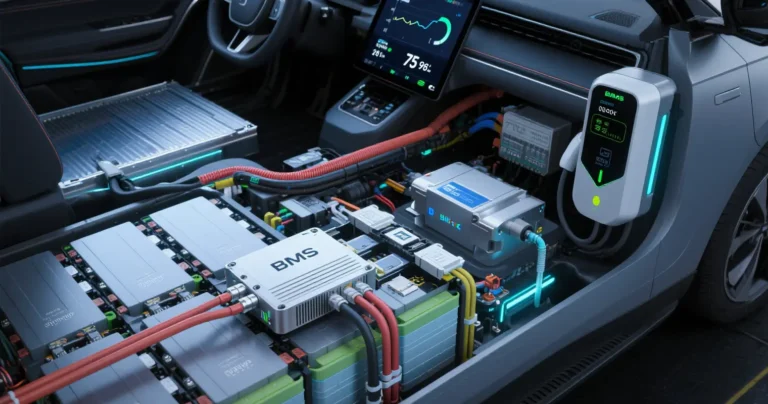
Balance charging each season preserves capacity and safety. Most LiFePO4 packs include a built-in BMS that manages cell balance automatically during every charge cycle without user intervention.
Storage Between Seasons
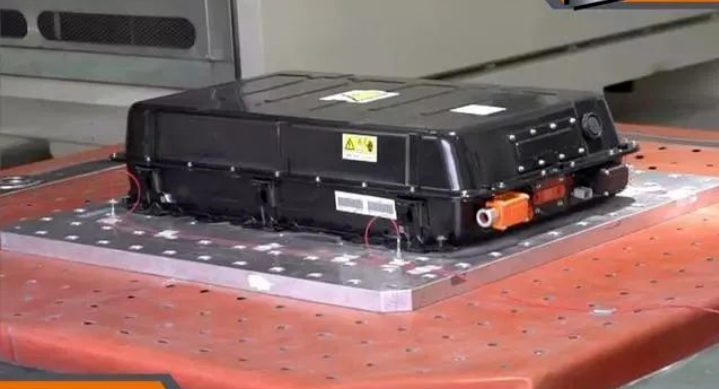
Store the pack at about half charge in a cool, dry place, and disconnect it from all loads to avoid phantom drain from monitors and memory circuits.
A brief top-up charge before the first trip of the season restores peak performance and confirms the BMS and charger are both still healthy.
Comparison at a Glance
| Option | Weight | Runtime | Cost |
|---|---|---|---|
| Lead-acid 2×31 | ~50 lb | Short | Low |
| LiFePO4 100Ah | ~26 lb | Long | Medium |
| LiFePO4 200Ah | ~50 lb | All day | Higher |
People Also Ask
Can one lithium battery run a fish finder and trolling motor? Yes, provided the amp-hour rating covers total daily watt-hours; most 12V 100Ah packs handle a finder plus light trolling duty comfortably.
Frequently Asked Questions
Do I need a special charger?
Use a LiFePO4-compatible charger; a lead-acid charger may not reach the correct absorption voltage and can leave the pack undercharged.
Is weight reduction worth it?
For small boats, halving battery weight improves speed, range, and stability, and frees valuable storage space for gear.
Key Takeaways
- Total your daily watt-hours.
- Separate start and house banks.
- Use marine-grade fused wiring.
- Pick a LiFePO4 smart charger.
Selection Criteria
When you evaluate a lithium battery for fish finder, the lowest quote is rarely the best value, because the cheapest pack can fail earliest once it meets real load and temperature swings. A qualified lithium battery manufacturer will help you match capacity, peak discharge rate, and certification to your actual duty cycle rather than a marketing figure on a spec sheet. Prioritise Total your daily watt-hours., Separate start and house banks., and Use marine-grade fused wiring. during supplier review, and confirm warranty and field-support terms in writing before you commit to a purchase.
Written by Karl at China Battery Technology. Request a quote.
Related reading: Lithium Battery for Electric Winch: Cranking Power Without the Voltage Drop