Lithium Battery for Optical Lens Edging Lab: Keeping Edgers, Coating Baths, and Records Alive
Lithium Battery for Optical Lens Edging Lab: Keeping Edgers, Coating Baths, and Records Alive
An optical lab is not a heavy industrial site, but it is a precision one, and precision work hates interruption. A lens spinning in the edger when the supply drops is usually a scrapped blank, and a hard-coating bath or a tint tank that loses agitation and temperature control quietly destroys a batch you have already committed to a patient. The labs that handle this well did the boring work first: they walked a lithium battery manufacturer through their equipment list, separated what has to survive an outage from what can simply be switched back on, and sized against starting current rather than running current.
What Actually Has to Stay Live
Sort the lab into three tiers and the specification gets much easier. Tier one is anything with product in it: the edger and surfacing generator mid-cycle, coating and tint baths under temperature control, and the curing ovens running a timed cycle. Tier two is the environment: extraction over solvent and coating areas, and the compressed air or vacuum that the edger needs to hold a lens. Tier three is the record and dispensing layer, which is where most of the commercial risk sits. A practice can survive a dark reception for an hour; it cannot easily survive losing an afternoon of refraction data, job tracking, and the dispensing system that tells staff which lenses belong to which patient.
Optical Lab Backup Options
| Attribute | LFP Battery Bank | VRLA Lead-Acid | Diesel Genset |
|---|---|---|---|
| Transfer time | <20 ms | <20 ms | 10–30 s |
| Edger and compressor inrush | Yes, with rated overload | Limited | Good once online |
| Practical autonomy | 30–90 min | 10–20 min | Hours, with fuel |
| Footprint in a retail unit | Small, wall or floor | Bulky for the same usable kWh | External, noisy |
| Routine maintenance | Monitoring only | Testing and replacement | Servicing, load banks, fuel |
Sizing Against Inrush, Not Nameplate
The number that decides whether this works is the simultaneous start: an edger spindle spinning up while the compressor and the extraction fan restart on the same transfer. Nameplate ratings will not tell you that, and the average draw will mislead you in the flattering direction. Give your supplier the largest realistic simultaneous start you can construct, plus whatever stayed energised through the switch, and ask for the ten-second overload rating as a separate figure from the continuous one. Under-sized banks in labs almost always fail in the first second, not the twentieth minute.
Where the Bank Goes in a Small Premises
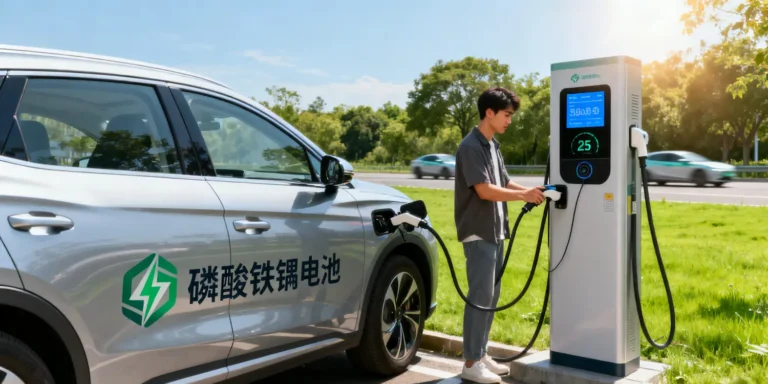
Most labs and glazing workshops are space-poor, which is an argument for lithium iron phosphate rather than lead-acid: you get far more usable capacity per square metre and you can wall-mount it rather than losing floor. Put it in a ventilated cupboard or store room away from solvent storage and coating baths, keep the cable runs short to the distribution board you are backing up, and think about what the load actually is. If you are carrying the IT and dispensing layer, remember that a UPS at each workstation plus a central bank is usually cheaper than trying to run the whole site off one inverter at low load, where efficiency is poor.
What to Ask a Supplier
Ask for continuous and short-term overload ratings separately, and which motors the overload figure was verified against. Ask whether the system supports a controlled shutdown of servers and dispensing terminals rather than assuming the battery will outlast the outage. Ask what the warranty says about a standby duty with long float periods and occasional deep discharge, and whether the supplier has commissioned into a mixed retail and light-industrial unit where the earthing arrangement is unlikely to be textbook.
People Also Ask
How long should an optical lab hold for? Thirty to sixty minutes covers most grid disturbances and gives you time to park jobs, finish cycles, and shut IT down cleanly. Longer autonomy is rarely worth the cost in a retail setting.
Can a battery run an edger and a compressor together? Yes, provided the short-term overload rating covers the combined locked-rotor current. Specify that figure explicitly rather than relying on a kW rating alone.
Do I need to protect the whole lab? No, and trying to is what makes these projects expensive. Protect product in process, extraction, and the record layer; let general lighting and reception wait.
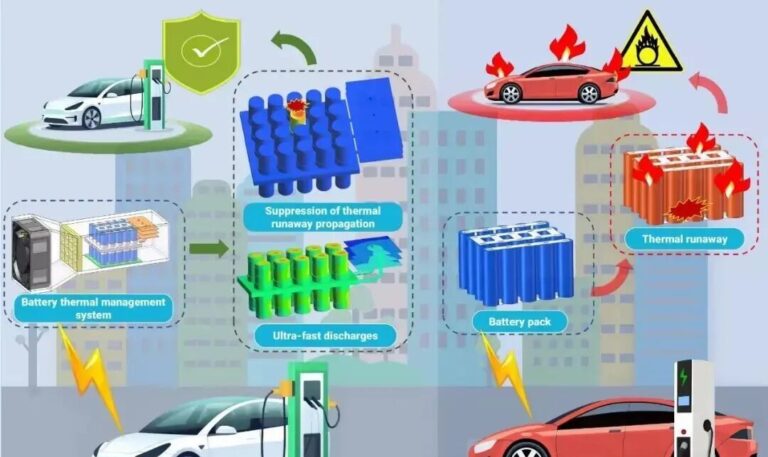
Is lithium safe inside a retail unit? Lithium iron phosphate is the right chemistry here, installed in a ventilated enclosure with the detection the supplier specifies, and separated from solvents and coating chemicals.
Written by Karl at China Battery Technology. Request a quote.