Lithium Battery for Electric ATV and UTV: Sizing a Fleet Pack
Lithium Battery for Electric ATV and UTV: Sizing a Fleet Pack
ATVs and utility task vehicles are moving off petrol without much ceremony — ranch hands, park rangers, survey crews and security fleets all want the quiet, torquey, zero-exhaust version. The battery decision behind them is less obvious than in a car, because these machines combine hard low-speed load with long idle periods and rough vibration. Getting a lithium battery manufacturer involved early is the difference between a pack that covers a full workday and one that leaves a ranger stranded a kilometre from the truck.
Duty Cycle: Low Gear, High Current
An ATV or UTV rarely cruises. It creeps up a loaded grade, winches, drives short distances at throttle, then idles while a crew works. That profile is a series of high-current bursts with long rests, which suits lithium well but punishes lead-acid through sulfation at partial charge. Size for the climb, not the average: the worst gradient of the route with full payload is the number that sets capacity.
Voltage Platform: 48 V or 72 V
Entry utility machines and most e-ATV conversions sit on a 48 V nominal pack (13S or 14S of LiFePO4, or 13S of NMC), which keeps wiring light and controllers cheap. Larger UTVs, and anything with a winch, snow plough blade or turf-tire variant, move to 72 V nominal (20S or 21S) so motor current stays lower on sustained climbs. Mix platforms within a fleet only if you enjoy maintaining two charger types and two spare-part lists.
Chemistry Choice for Utility Work
Lithium iron phosphate is the default for fleet UTVs: it tolerates the partial-state-of-charge cycling that defines utility duty, holds its voltage flat under load, and takes the vibration of an unpaved trail better than high-nickel cells. NMC earns its place where range per kilogram matters and the machine is trail-focused rather than work-focused, but a work UTV that climbs all day will run cooler and last longer on LFP.
Specification Comparison
| Attribute | LiFePO4 Pack | NMC Pack | Lead-Acid |
|---|---|---|---|
| Nominal platforms | 48 V / 72 V | 48 V / 72 V | 12 V / 24 V (series) |
| Cycle life (80% SoH) | 3000–5000 | 1000–2000 | 400–600 |
| Peak discharge | 3C–5C short | 5C–8C short | 0.5C–1C |
| Weight (4 kWh) | ~32 kg | ~22 kg | ~95 kg |
| Vibration tolerance | High | Medium | Low (plate shedding) |
Sizing, Protection and Mounting
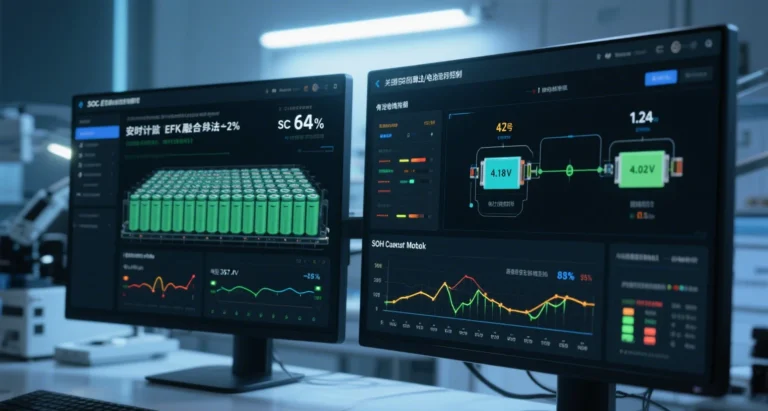
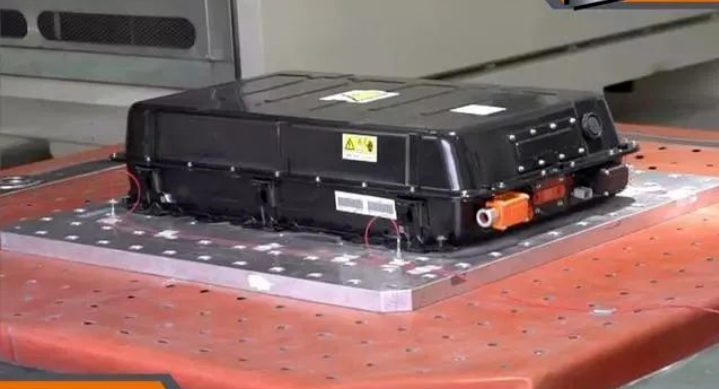
Start from usable energy, not nameplate: plan on 80% depth of discharge and add 20% for low-temperature derating if the fleet works in winter. Fit a BMS that records per-cell voltage and pack temperature to a logger — fleet managers who see the real duty profiles stop over-specifying. Mount the pack in a slip-rated tray with a vibration isolator, protect the connectors with IP67 boots, and add a contactor with pre-charge limiting so connecting a cold pack to the motor bus does not Weld the connector or trip the cell protection.
Fleet Economics
Where a petrol UTV burns fuel and needs a fuel run twice a week, an electric one charges overnight from a single 200 V socket per vehicle. The payback case depends on daily kilometres, fuel price and available incentive, but the softer wins are consistent: no spark arrestor maintenance, no oil, and a telemetry record of who drove the machine hardest. Standardize one pack size across the fleet and you keep one spare on the shelf instead of five half-used ones.
People Also Ask
Can I swap a lead-acid UTV battery for lithium directly? Only if the pack voltage and capacity match. A drop-in 12 V lithium battery for the starter circuit is straightforward; replacing the traction pack means a controller and charger review.
How many hours does a full pack buy? A 5–7 kWh pack covers roughly 3–5 hours of mixed utility work, or a full day of light trail riding; heavy hill climbing with a full-bed payload can halve that.
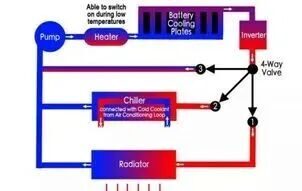
What temperature range should I specify? Plan for charging above freezing — most BMS units block charge below 0 °C and continuously damaging cold charging is a common owner mistake. An internal heater with thermostat control extends the working season in cold regions.
Written by Karl at China Battery Technology. Request a quote.