Lithium Battery for Aerial Work Platforms: Specifying Safe Mobile Power
Lithium Battery for Aerial Work Platforms: Specifying Safe Mobile Power
Scissor lifts, boom lifts and mast work platforms are unforgiving places for a battery
pack. The cabinet is sealed, the floor is aluminum grating, the machine shares a chassis with
hydraulics, and an operator is standing on the pack at height. That is why the decision to
work with a lithium battery manufacturer on an aerial platform usually starts with a safety
review rather than a capacity calculation. Replacing the original lead-acid bank with a
properly specified lithium pack is one of the clearest durability wins available in mobile
work equipment, and the maintenance numbers back it up.
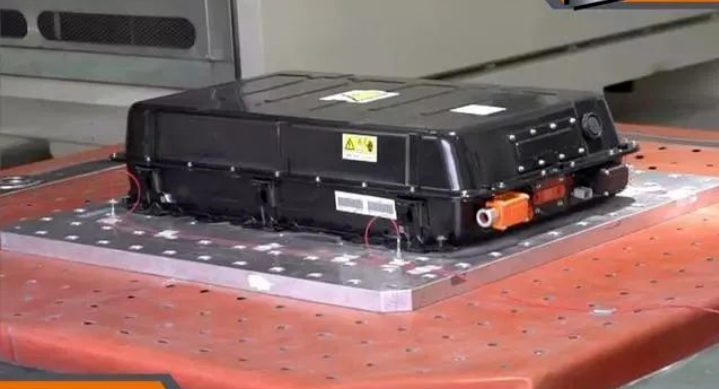
Why the sealed cabinet changes the specification
Lead-acid packs in aerial platforms need ventilation, top-up water and a charge cycle that
reaches full equalisation. Inside a sealed lift chassis, that water evaporates into a confined
space and the acid mist attacks the electrical connectors over a few seasons. Lithium removes
the entire maintenance task. There is no gas to vent, no water to add, and the pack can sit in
a sealed enclosure because there is nothing off-gassing to manage.
Sizing for platform duty
An aerial platform is not a deep-cycle application in the forklift sense. The machine sits
on charge between shifts and pulls short, intense bursts as the lift raises and the drive
travels. Two numbers matter more than capacity. The first is continuous discharge: a loaded
scissor lift draws heavily while climbing, so the pack must hold a sustained current without
voltage sagging below the drive’s cutoff. The second is surge, because a hydraulic pump
starting against pressure asks for several times the running current for a fraction of a
second.
| Specification | Lead-acid bank (typical) | Lithium iron phosphate |
|---|---|---|
| Cycle life to 80% capacity | 600-1,000 | 3,000-6,000 |
| Ventilation requirement | Required, vented cap | Sealed, none needed |
| Pack mass (equivalent duty) | ~180 kg | ~60 kg |
| Raise-and-lower duty surge | Adequate | Adequate, with headroom |
| Depth of discharge usable | 50% | 80-90% |
| Charging on shift rotation | Slow, needs full charge | Opportunity charging between lifts |
Certification and physical fit
Two areas catch buyers out. The pack must meet the transport and machine standards
applicable in your market, and it must fit an existing footprint that was sized around wet
cells. The mass reduction is a genuine advantage, but it changes the machine’s load balance,
so confirm the platform’s rated capacity still holds with the lighter pack installed. A pack
that is too light can make a narrow scissor lift feel tippy on an extension deck.
Contractors often compare other mobile platforms too
If you are comparing chemistries across a whole fleet rather than one machine at a time, it
is worth looking at how the same pack serves other duty cycles. A lithium battery
argument for forklifts is built on deep cycling; the aerial case is built on long standing
time and safety. Both support lithium, for different reasons.
People Also Ask
Will a lighter lithium pack affect the lift’s rated capacity? It can reduce
the machine’s centre of gravity and change load distribution. In most scissor lifts the
platform rating is unaffected, but the manufacturer’s guidance should be confirmed before
installation.
Do I need to change the charger when switching to lithium? Yes if the
existing charger is a lead-acid type. It holds a float voltage and a finish algorithm that
will not terminate correctly for lithium. Use a charger with a lithium profile.
How many years can I expect from a pack in a lift? Five to ten years of
shift work before capacity drops below useful levels, because the duty is mostly standing at
full charge with repeated bursts rather than deep discharge.
Is lithium accepted for aerial platform retrofits? In most markets yes,
provided the pack carries the certification the machine and insurer require, and the install
is documented as a modification rather than a like-for-like swap.
Written by Karl at China Battery Technology. Request a quote.