Home Energy Storage for Off-Grid Cabin: Sizing and Setup
Home Energy Storage for Off-Grid Cabin: Sizing and Setup
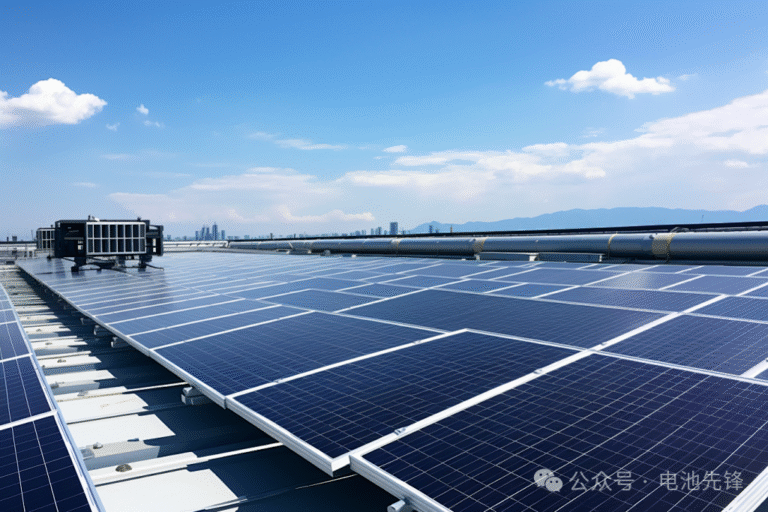
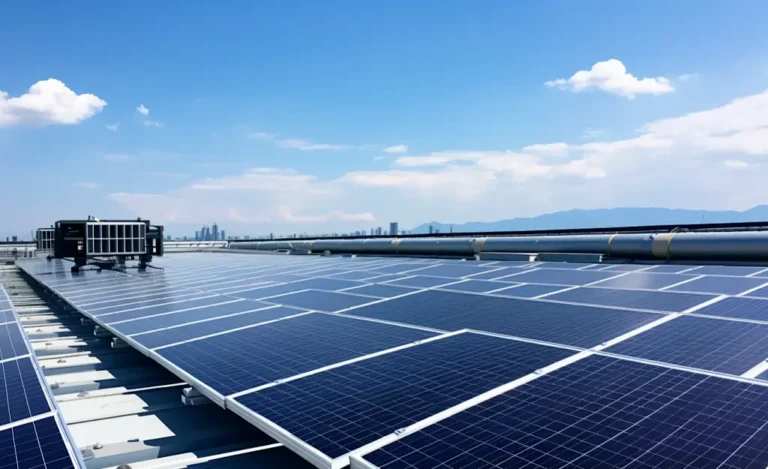
An off-grid cabin lives or dies by its battery. With no utility to fall back on, a well-sized home energy storage system paired with solar must carry the lights, refrigeration, water pump, and a few days of bad weather. Getting the sizing right the first time avoids both dark evenings and the waste of an oversized bank.
Start With a Daily Energy Budget
Add up each load’s watts times hours of use: LED lighting, a DC or efficient AC fridge, phone and laptop charging, a water pump, and any seasonal heating fan. A modest cabin often lands at 3–6 kWh per day. Multiply by the days of autonomy you want during cloudy spells — two to three days is common — to get the usable storage target.
Choosing Chemistry and Depth of Discharge
LiFePO4 is the off-grid default: 80–90% usable depth, 4000–7000 cycles, and safe behavior when a remote cabin cannot be monitored. Avoid deep-cycling lead-acid unless budget is the only concern; its short life makes it costlier over a decade. Add a cold-weather note: a self-heating pack or an insulated battery room matters in winter cabins.
Off-Grid Sizing Comparison
| Cabin type | Daily use | Battery target | Solar array |
|---|---|---|---|
| Weekend basic | 2–3 kWh | 5–8 kWh | 1–2 kW |
| Full-time small | 4–6 kWh | 10–15 kWh | 3–4 kW |
| Family cabin | 8–12 kWh | 20–30 kWh | 5–8 kW |
Setup and Safety Tips
Choose an all-in-one unit that combines the inverter, MPPT charger, and battery so wiring stays simple and monitored remotely. Oversize solar by 20–30% to recover after storms, keep the battery in a ventilated, freeze-protected space, and put critical loads on a protected circuit. Confirm the inverter surge rating covers pump and compressor startups.
People Also Ask
How many days of backup should I plan? Two to three days of autonomy suits most cabins; more in cloudy northern climates, less where solar is reliable year-round.
Can I expand the battery later? Yes — pick a modular all-in-one platform that lets you add matched battery modules as your loads grow.
Written by Karl at China Battery Technology. Request a quote.
Related reading: Home Energy Storage for Island Communities: Reliable Off-Grid Power