Home Energy Storage for Home Workshop: Power Tools Through Outages
Home Energy Storage for Home Workshop: Power Tools Through Outages
A home energy storage system is not only for the living room. Woodworkers, mechanics, and makers running dust collectors, compressors, and welders from a garage or shed can keep the shop productive through an outage and trim the bill by charging the battery on cheap overnight rates. For a workshop, backup power is also uptime — a stopped job costs more than the electricity, and a missed deadline costs a client.
Why Workshops Need Storage
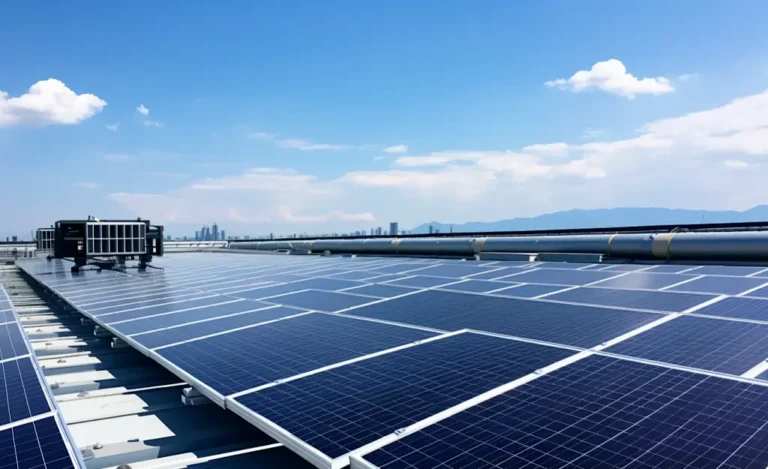
Shop tools are bursty: a table saw or compressor spikes current for seconds, then nothing. A battery with a healthy discharge rating covers those spikes and rides through the flicker that trips sensitive controllers on CNC gear. Pair the battery with solar on the roof and the shop runs a meaningful share of its day on self-generated power, with the grid only topping up when the sky is grey.
Sizing for Tool Loads
List the largest simultaneous draw — often a dust collector plus a saw — and size the inverter to that peak, not the average. A 5-10 kWh all-in-one covers lighting, chargers, and small power tools through a short outage; 10-20 kWh adds a compressor or welder for an hour or two. Put the critical loads on a backed-up sub-panel so a small battery stretches further and the office router stays up even if the big tools are on the grid.
Workshop Storage Comparison
| Use case | Typical size | Primary benefit |
|---|---|---|
| Outage backup (lights, chargers) | 5-10 kWh | Uptime |
| Tool cycling (saw + collector) | 10-20 kWh | Peak cover |
| Solar self-use | 10-25 kWh | More PV kept on-site |
| TOU arbitrage | 15-30 kWh | Cheaper energy |
Inverter and Safety
Choose a pure-sine inverter sized to the worst-case motor start, because inductive loads like compressors draw several times rated current at startup. Vent the battery enclosure or keep it in a temperature-stable space, and keep flammable finishes away from the electrical gear. A monitored system flags a weak cell before it interrupts a job, and a manual isolation switch satisfies most inspectors.
Charging and Arbitrage
Charge overnight on off-peak rates and discharge during the expensive afternoon window to cut the shop’s energy cost, especially if you run heat or AC for comfort while working. With solar, the battery banks midday excess that would otherwise export cheaply, then serves the evening peak. Track throughput monthly to confirm the payback math still holds as tariffs change.
Maintenance and Monitoring
Set the monitoring app to alert on a low state of charge and on any string drifting from the pack average, then act before a job is interrupted. Keep the enclosure dust-free in a woodshop, and schedule a yearly capacity test so you know the battery will carry a full outage, not just a few minutes. Treat the pack like a precision tool: a little attention pays back in years of reliable service.
People Also Ask
Will it run my table saw? Yes, if the inverter is sized to the saw’s startup surge; most all-in-one units handle a few kilowatts of motor load.
How big a battery do I need? Five to ten kilowatt-hours covers lights and chargers through an outage; ten to twenty adds compressors and larger tools.
Can I add it to existing solar? Yes — most all-in-one systems retrofit behind the meter and work with or without PV.
Is it safe next to flammables? With a sealed, ventilated, code-compliant enclosure and a monitored BMS, yes — keep finishes stored away from the gear regardless.
Written by Karl at China Battery Technology. Request a quote.
Related reading: Home Energy Storage for Island Communities: Reliable Off-Grid Power