
NMC vs LFP Battery for Energy Storage: Which Chemistry?
NMC vs LFP battery for storage: LFP leads on safety and life, NMC on density. Choose based on space, safety, and budget.
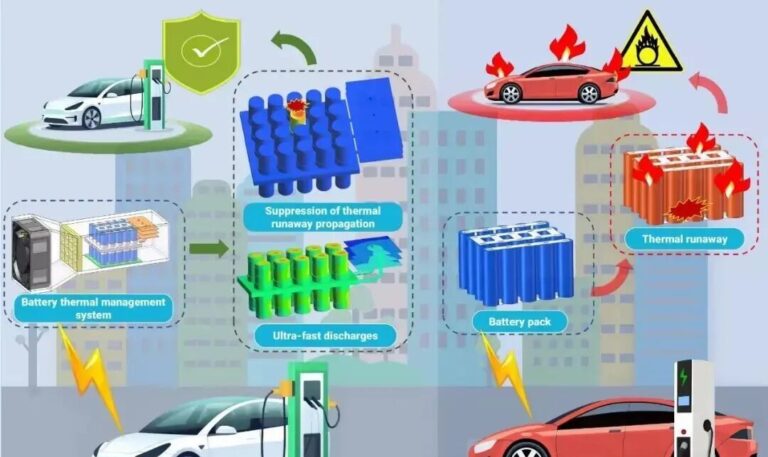
NMC vs LFP battery for storage: LFP leads on safety and life, NMC on density. Choose based on space, safety, and budget.
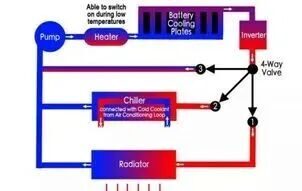
Battery communication protocol choice (CAN bus vs RS485) affects integration with inverters and BMS. Learn which to specify.
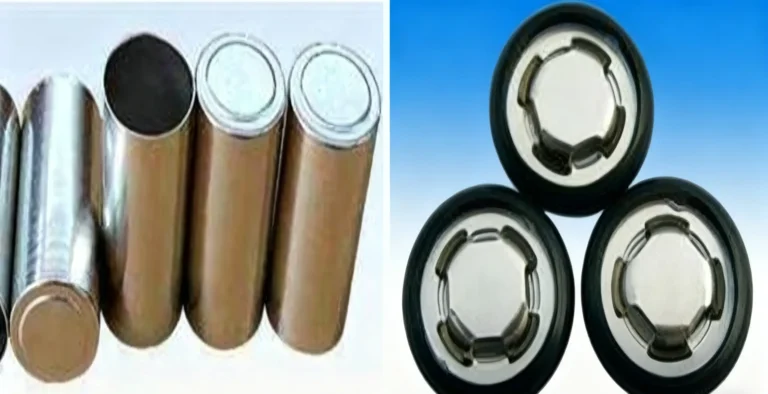
How to choose a lithium battery supplier: audit capacity, certs, and support. Avoid common pitfalls when sourcing from China.
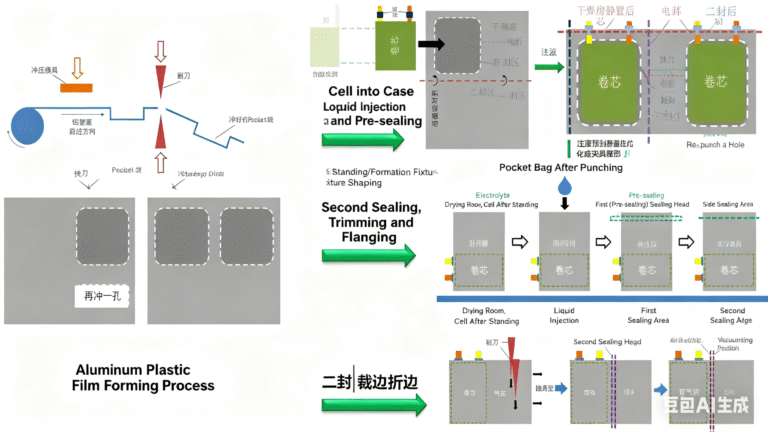
Lithium battery cycle life is the number of full charges before capacity fades. Learn how DoD, temperature, and chemistry change it.
12V, 24V, 48V lithium battery choices balance current, cost, and use. Learn which voltage fits RVs, solar, and industrial loads.
A deep cycle lithium battery outlasts lead-acid in marine and RV duty. See why LFP wins on weight, cycles, and usable capacity.
Lithium battery certifications (UN 38.3, CE, UL, IEC) prove safety for shipping and use. Know which ones your market requires.
A lithium battery for solar stores PV energy for night and outages. Learn sizing math, depth of discharge, and how it pairs with a home energy storage system.
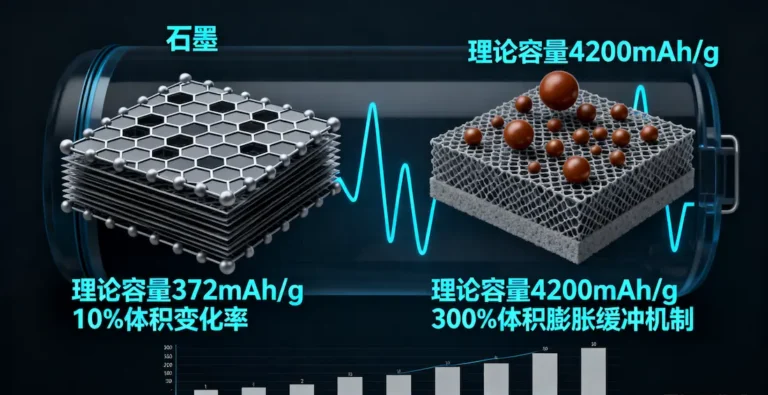
Lithium battery price per kWh ranges from ~$90 to $250 by chemistry and volume. Understand what drives cost and how to compare quotes.
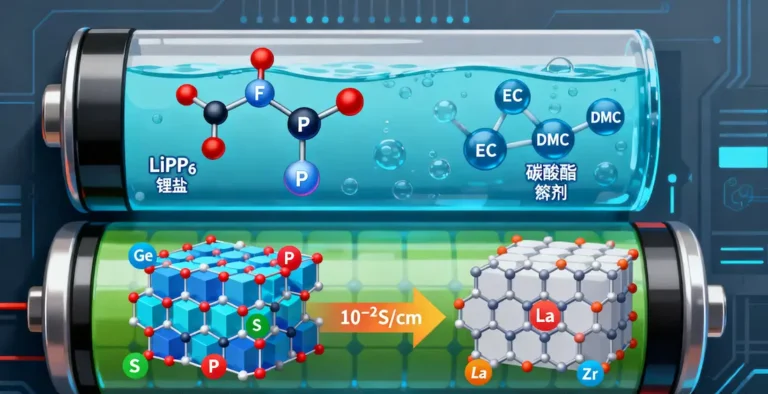
A 48V lithium battery balances voltage, current, and safety for telecom, solar, and industrial use. See sizing, BMS, and sourcing tips.