Battery Solutions for Mobile Juice Bar: Power Your Cold-Press Anywhere
Battery Solutions for Mobile Juice Bar: Power Your Cold-Press Anywhere
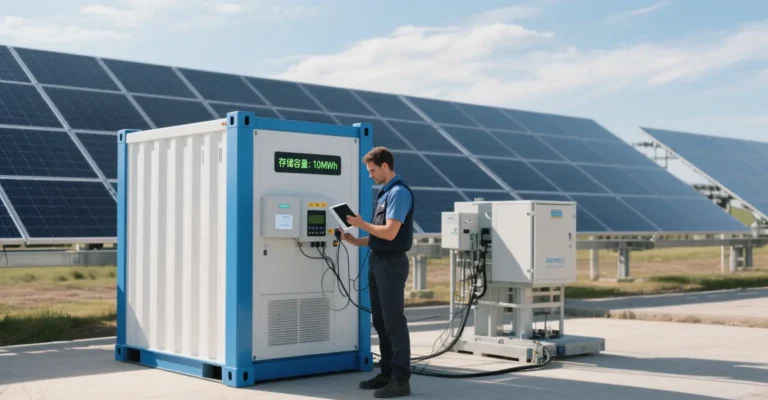
A mobile juice bar — a cart, trailer, or van serving cold-press and blended drinks at markets and festivals — depends on two power-hungry loads: refrigeration to keep produce and finished juice safe, and a blender or press that spikes current on every cup. Running both off a generator is noisy, smelly, and banned at many indoor and green events. Purpose-built battery application solutions let you run silent, fume-free, and fully off-grid, with enough stored energy to cover a full shift.
The Two Loads You Must Size
Refrigeration is a steady draw — a 12 V or 48 V cooler may pull 40–120 W continuously — while a commercial blender can surge 1–2 kW for seconds. Size the battery for the refrigeration runtime first, then confirm the inverter can handle blender surges without voltage sag that trips the unit.
Why Battery Beats a Generator
A generator burns fuel, needs ventilation, and fails quiet-hours rules. A lithium battery box starts instantly, makes no noise, and pairs with solar or grid top-up between events. For a juice bar the clean image matters too — customers trust a brand that is not pumping exhaust near their drink.
Mobile Juice Bar Power Comparison
| Option | Runtime | Noise | Event rules |
|---|---|---|---|
| Battery box (2–5 kWh) | Full shift | Silent | Allowed |
| Generator | Unlimited (fuel) | Loud | Often banned |
| Grid only | None off-site | Silent | Needs outlet |
| Lead-acid | Short | Silent | Heavy |
Sizing a Typical Shift
A half-day market with a 60 W cooler and 40 cups needs roughly 1.5–3 kWh. Add a 2 kW inverter for blender surges, a 48 V LiFePO4 core for safety and cycle life, and a way to recharge overnight. Many operators daisy-chain two units to extend into evening service without a second generator.
Deployment Tips
Put the cooler on its own circuit so blending spikes never warm the fridge. Mount the battery low for cart stability, protect it from splash, and monitor state-of-charge on your phone so you never run flat mid-queue. A battery application solutions specialist can spec the exact pack and inverter for your blender model.
Cold-Chain and Food Safety
Juice is a high-risk food once produce is cut, so keep it below 5 °C from cart to cup. A battery that holds the cooler steady through a warm market protects both customers and your license. Size the pack so the fridge never warms during blender surges, and log temperature if your market requires it.
Cost and Payback
A 3 kWh LiFePO4 rig costs more upfront than a generator, but saves fuel, avoids banned-generator lost sales, and markets your brand as clean. Most mobile juice operators recover the cost in one to two seasons of regular weekend markets, after which the power is essentially free.
People Also Ask
Will a battery run my commercial blender? Yes — size a pure-sine inverter at least 1.5× the blender’s surge rating; a 2–3 kW unit covers most commercial blenders.
How do I recharge between events? Charge from grid overnight, or add a roof solar panel; a 48 V LiFePO4 core fully recharges in a few hours on a standard charger.
Is it safe in a food cart? LiFePO4 with a certified BMS and IP-rated enclosure is the standard for mobile food power; keep it vented and away from direct splash.
What size battery do I need for a full day? A 3–5 kWh unit covers a cooler plus a commercial blender for a typical 6–8 hour market; add a second block for evening service.
Can I run it indoors at a mall? Yes — battery power is the only realistic option indoors since generators are forbidden; just size for the venue’s load and keep cables secured.
Written by Karl at China Battery Technology. Request a quote.
Related reading: Battery Solutions for Self-Service Kiosks: Reliable Unattended Power