Battery Solutions for Mobile Cocktail Bar: Power Where the Party Is
Battery Solutions for Mobile Cocktail Bar: Power Where the Party Is
A mobile cocktail bar lives wherever the booking takes it — a rooftop, a vineyard, a backyard with no outlets in sight. Running blenders, LED strips, a chiller, and a card reader off a generator is noisy, smelly, and banned at many venues. Purpose-built battery application solutions give mobile bartenders silent, clean power that sets up in minutes and packs away before the last guest leaves.
What a Mobile Bar Actually Draws
The hungry loads are the blender (800–1500 W spikes) and any refrigeration or ice-bin cooler. LED ambiance and a POS tablet draw little. A 2–5 kWh portable battery with a pure-sine inverter covers a typical four-hour shift, while a second module extends late events. Size to the worst single spike, not the average draw, so a blender startup never trips the unit mid-pour and ruins the rhythm of service.
Why Battery Beats a Generator
Generators pollute the vibe with noise and fumes and often violate venue rules. A lithium portable station is silent, emission-free, and rechargeable from a wall or a vehicle. For premium events — weddings, brand activations — clean power is part of the product, not just the utility, and clients notice the difference the moment the first drink is made without a rattling engine in the background.
Mobile Bar Power Comparison
| Option | Noise | Runtime | Venue-friendly | Cost |
|---|---|---|---|---|
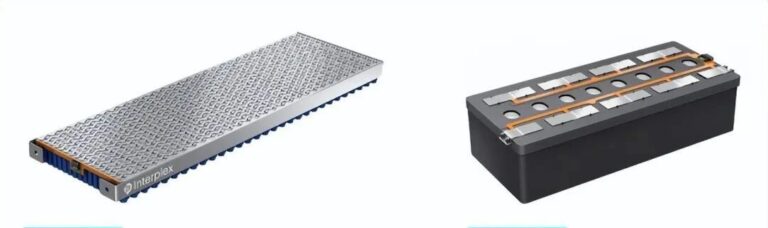
| Portable lithium station | Silent | 4–8 h | Yes | Medium |
| Lead-acid bank | Silent | 2–4 h | Yes | Low |
| Gas generator | Loud | Long | Often no | Low |
| Grid tie (if available) | Silent | Unlimited | Rare on-site | None |
Choosing the Right Size
List every powered item, note its running watts and startup surge, then add a 20–30% margin for the blender’s worst case. A single-bartender setup usually lands at 2–5 kWh; add a second module if you run a chiller all night or stack back-to-back events. Pure-sine output matters for the POS and any sensitive electronics, so confirm the waveform before you rely on it for card payments and wireless terminals.
Permits and Venue Rules
Most venues that ban generators welcome silent battery stations, but confirm any load or fire-safety limits in the contract, especially indoors or under a tent. Keep the unit off the dance floor, away from spills, and on a stable surface so a knocked drink never reaches the outlets. A short pre-event checklist turns setup from a gamble into a routine you can repeat at every booking. Documenting the unit’s certification also reassures venue managers and speeds approval for repeat engagements at the same location.
Deployment Tips
Put blenders and chiller on the inverter’s high-draw outlets, keep the POS and lights on a separate pass-through so a blender spike never drops the card reader. Charge the night before, carry one spare module for back-to-back events, and choose a unit with app monitoring so you can watch state-of-charge between pours without opening the case in the middle of service.
People Also Ask
How big a battery do I need? Most single-bartender mobile bars run on 2–5 kWh; add a second module if you run a chiller all night or do back-to-back events.
Can it power a draft system? Small 12 V draft pumps draw little and run easily; full CO2 chillers need the larger station size and a sustained-draw calculation first.
Is it safe indoors? Yes — lithium stations are sealed and fume-free, unlike generators, which must never run inside a tent or venue.
What about lighting and sound? LED strips and small powered speakers draw little; route them on the same clean inverter and you avoid tripping a separate feed altogether.
Written by Karl at China Battery Technology. Request a quote.
Related reading: Battery Solutions for Self-Service Kiosks: Reliable Unattended Power