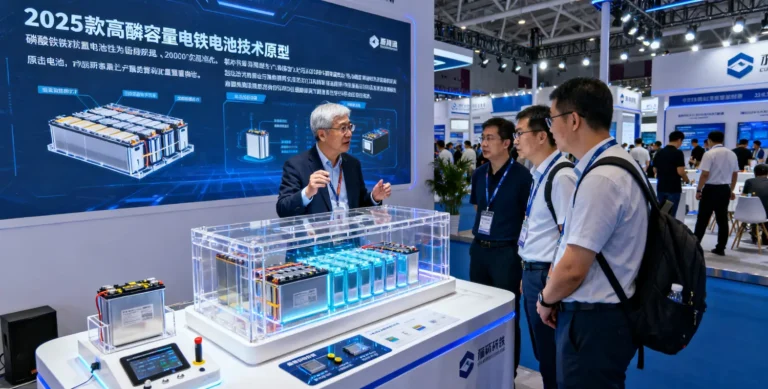
Battery for Energy Storage Container and C&I Cabinets
Battery for Energy Storage Container and C&I Cabinets
Commercial and industrial sites use containerised systems to cut demand charges and ride through outages. The battery for energy storage container is a systems engineering problem, not just cells. battery application solutions providers, working with a lithium battery manufacturer, integrate cells, thermal, and controls into a shippable unit.
What Goes Inside the Container
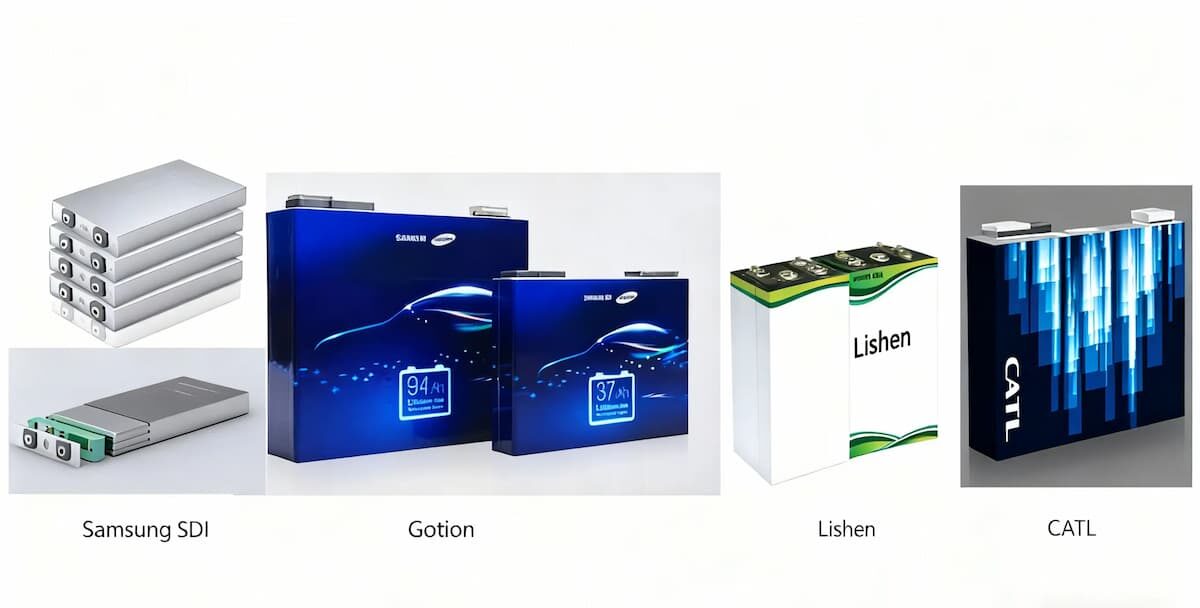
A typical 20- or 40-foot unit holds rack-mounted battery modules, a liquid or air thermal system, fire suppression, a PCS (power conversion system), and a controller. LFP is the dominant chemistry for its safety and cycle life at stationary scale.
Key Performance Drivers
Usable energy (MWh), power (MW), round-trip efficiency, and cycle life set the economics. Peak-shaving sites care about power and response time; renewables firming cares about energy and duration.
Safety and Compliance
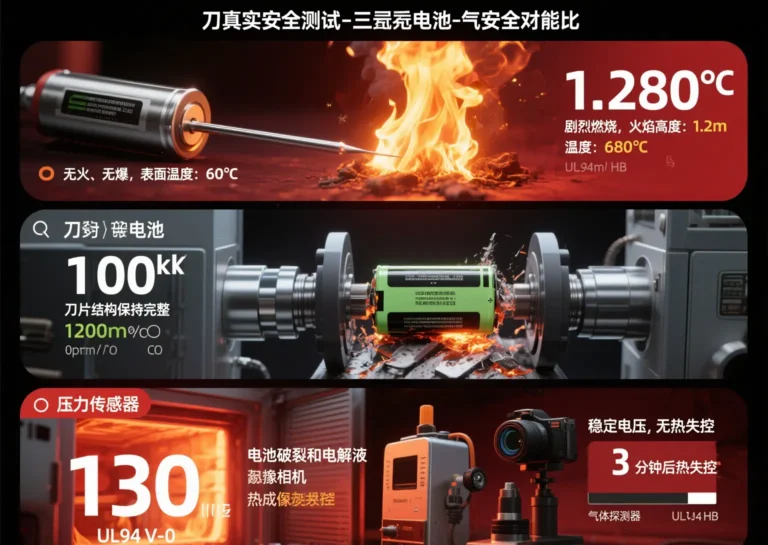
Container systems need fire detection/suppression, gas venting, isolation, and compliance with IEC 62619, UL 9540A, and local codes. Thermal runaway containment between modules is non-negotiable at this scale.
| Parameter | Typical C&I container |
|---|---|
| Chemistry | LFP |
| Energy | 0.5-5 MWh |
| Duration | 1-4 hours |
| Cooling | Air or liquid |
| Standards | IEC 62619, UL 9540A |
Procurement Guidance
Model your site’s load profile and tariff, size duration to the use case, and demand bankable safety documentation and warranty terms. Integration with your site’s switchgear and EMS determines real-world performance.
Frequently Asked Questions
Which chemistry for containers? LFP — safe and long-lived for stationary duty.
What duration do I need? Match it to the use: 1-2h for peak shaving, longer for firming.
What safety certs matter? IEC 62619 and UL 9540A are the baseline for most markets.
Written by Karl at China Battery Technology. Request a quote.