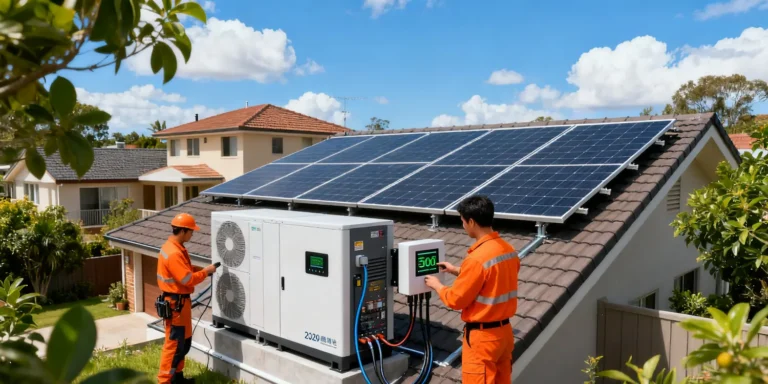
Battery Application Solutions for Bullion Vault: Secure Backup Power
Battery Application Solutions for Bullion Vault: Secure Backup Power
A bullion vault cannot lose power for a second. Vault doors, biometric access, CCTV, intrusion alarms, and environmental controls all depend on a backup source that transfers instantly and runs for hours. Modern battery application solutions replace diesel gensets and aging lead-acid strings with lithium banks that need no fuel, no exhaust routing, and almost no maintenance inside a sealed high-security room.
Why Vault Backup Differs From Ordinary Standby
A vault load profile is mostly flat and low — access control, lighting, and monitoring rarely exceed a few kilowatts — but the consequence of failure is severe. Unlike a data hall that can shed non-critical load, a vault must keep every security layer alive. The batteries also sit in a space with no ventilation to the outside, so anything that vents gas or requires routine watering is disqualified before the first cost comparison even starts.
Choosing the Chemistry
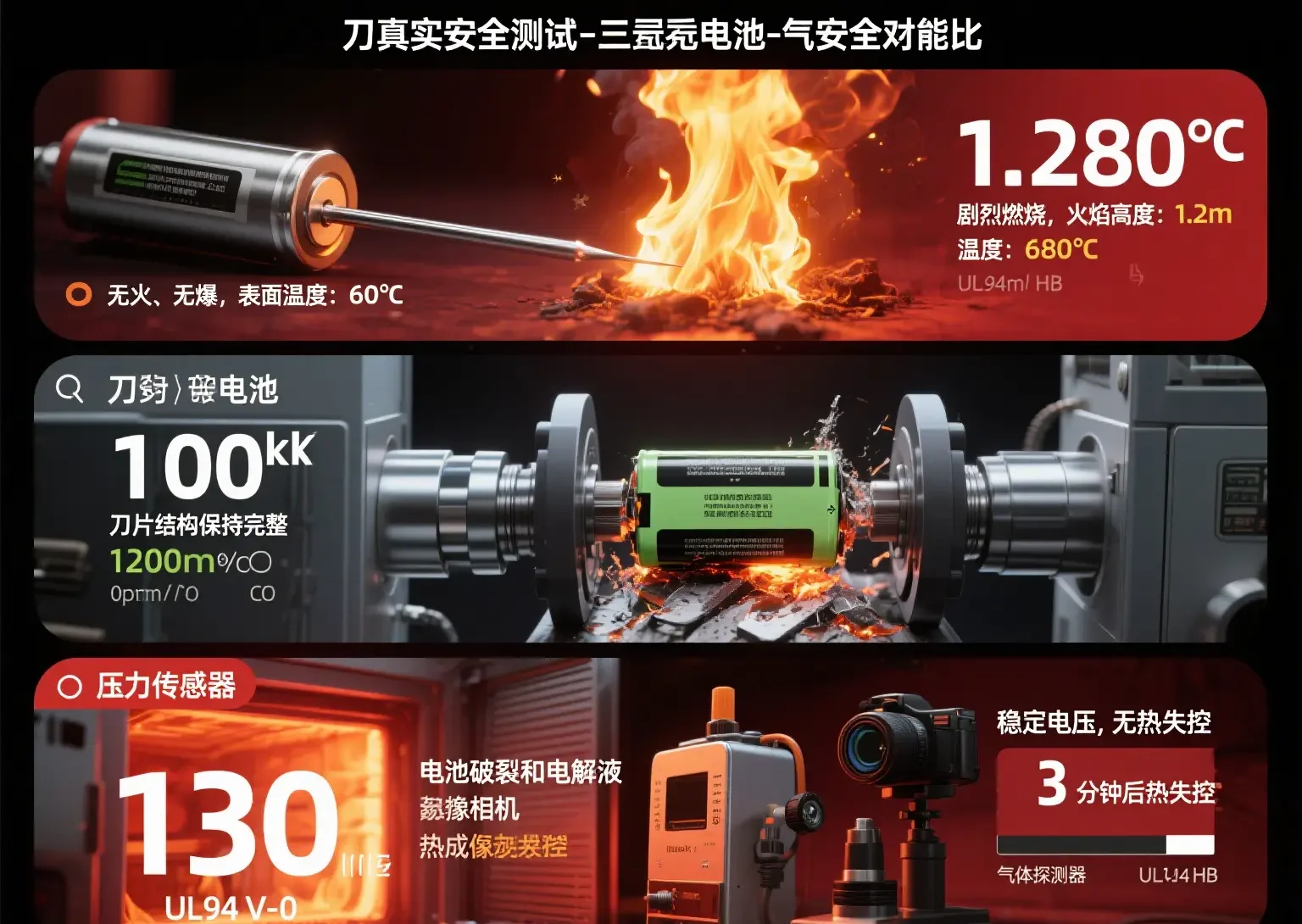
Lithium iron phosphate (LiFePO4) is the standard choice for vault duty. Its thermal stability suits a room where staff cannot easily intervene, its 4000–7000 cycle life covers a decade of float service, and it holds charge with under 2% monthly self-discharge. Where the vault also supports a counting room or assay lab with heavier loads, a hybrid design pairs lithium for instant transfer with a longer-duration bank for extended outages.
Vault Backup Comparison
| Attribute | LiFePO4 | Lead-Acid | Diesel Genset |
|---|---|---|---|
| Transfer time | Instant | Instant | 10–30 s |
| Ventilation needed | None | Yes (gassing) | Yes (exhaust) |
| Routine maintenance | None | Watering/equalize | Fuel, oil, test runs |
| Indoor installation | Yes | Limited | No |
| Service life | 10–15 yrs | 3–5 yrs | 15–20 yrs |
Physical Security and Compliance
The bank itself sits inside the secure envelope, so specify a lockable steel enclosure, tamper switches wired to the alarm panel, and a BMS that reports cell voltages to the security supervisor rather than only to a local display. Insurers and auditors increasingly ask for documented autonomy testing, so choose a system that logs discharge events and can prove the mandated runtime without a manual load-bank test each quarter.
Sizing for Autonomy
Start from the worst-case simultaneous load: vault door actuator cycles, all access readers, full CCTV recording with analytics, and environmental control for humidity. Add the required autonomy window — commonly 4–8 hours for high-security storage — then apply a 1.25 aging margin so the bank still meets specification in year ten. Size the charger to recover within a single security shift, not just overnight.
What to Ask a Supplier
Ask for cell traceability with UN38.3 certification, a BMS with dry-contact alarm outputs, and a written autonomy calculation based on your measured loads rather than a rule of thumb. Confirm the enclosure ingress rating, and check whether the warranty covers continuous float service at elevated ambient temperature, because that is where most vault plant rooms actually operate all year.
People Also Ask
Can lithium batteries go inside a sealed vault? Yes. LiFePO4 does not gas during normal float service and needs no ventilation, which is exactly why it replaces lead-acid in sealed high-security rooms.
How long should vault backup run? Most high-security vaults specify 4–8 hours of autonomy for security systems, though some operators design for a full 24 hours where grid restoration is slow.
Do we still need a generator? Many sites keep one for multi-day events, but lithium covers the instant-transfer window that matters most, so the genset becomes a secondary layer rather than the primary one.
How often should the bank be tested? A full discharge test once a year, plus automated monthly self-checks logged by the BMS, satisfies most insurers and audit requirements.
Written by Karl at China Battery Technology. Request a quote.