Battery Application Solutions for Telecom Towers: Stay Online When Grid Drops
Battery Application Solutions for Telecom Towers: Stay Online When Grid Drops
Telecom towers must stay up during outages, storms, and load-shedding, or calls, data, and emergency services go dark. Purpose-built battery application solutions — from hybrid lithium-solar banks to long-duration stationary packs — keep sites transmitting when the grid cannot. The right design depends on site load, autonomy requirement, and whether the tower already has renewable generation.
Common Tower Power Problems
Many towers sit on weak rural feeders with frequent dips, or rely on diesel gensets that are expensive to fuel and maintain. Batteries smooth those gaps: they ride through seconds-long sags, cover multi-hour outages, and let a solar array carry the daytime load so the generator stays off. The business case is usually fewer truck rolls and uninterrupted service-level agreements.
Matching Chemistry to the Site
For a small radio site with limited space, LiFePO4 offers compact, long-life storage. For very large or cold sites where footprint is free, sodium-ion is emerging as a cheaper, safer bulk option. Lead-carbon still appears in price-sensitive retrofits but needs more maintenance. The choice hinges on autonomy hours, cycle frequency, and ambient temperature.
Tower Storage Comparison
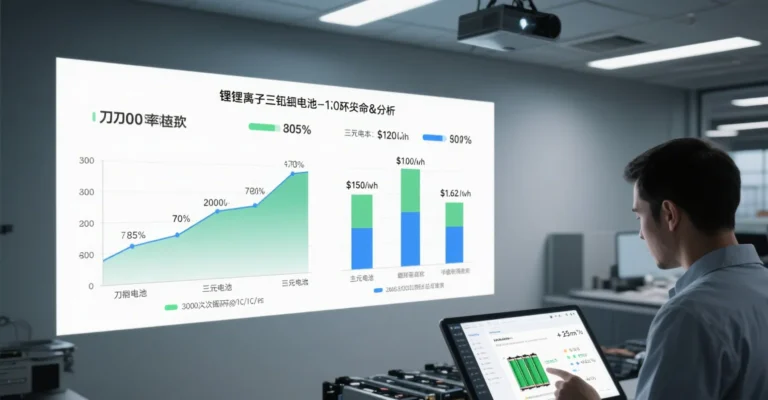
| Attribute | LiFePO4 | Sodium-Ion | Lead-Carbon |
|---|---|---|---|
| Cycle life | 4000–7000 | 3000–6000 | 1500–2500 |
| Footprint | Small | Large | Large |
| Cold tolerance | Good | Excellent | Poor |
| Maintenance | None | None | Some |
| 10-yr cost | Low | Low | Medium |
Design Steps That Avoid Failures
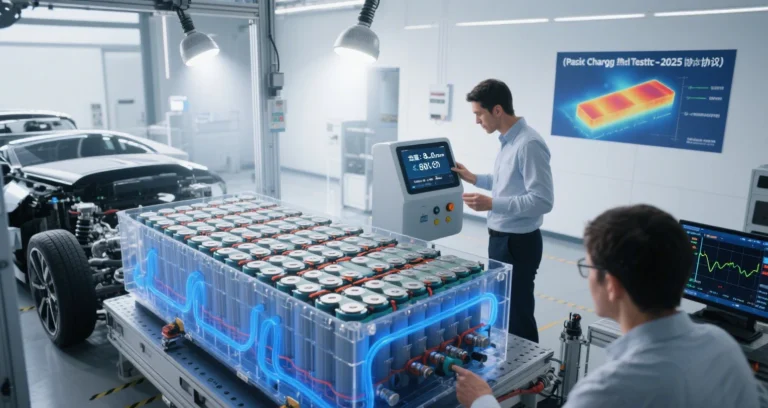
Start from the site’s worst-case load, not the average, and add the mandated autonomy (often 4–24 hours). Specify a cabinet rated IP55 with active or passive thermal control for the climate, and a battery management system that reports state-of-health to the NOC. Integrate the PCS so solar, grid, generator, and battery share load without fighting. Test the transfer monthly so the first real outage is not the first real test.
People Also Ask
How long should a tower battery last? A well-specified LiFePO4 or sodium bank typically runs 8–12 years in tower duty, versus 3–5 for lead-carbon.
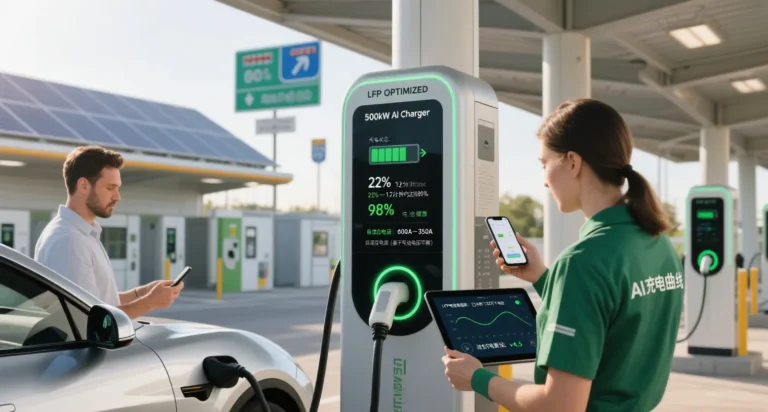
Can I add solar later? Yes — design the PCS with a PV input from the start, or retrofit an MPPT so the battery charges from the array and the generator stays idle.
Written by Karl at China Battery Technology. Request a quote.