Sodium Ion Battery for Sewage Pumping Station: Resilient Backup
Sodium Ion Battery for Sewage Pumping Station: Resilient Backup
A pumping station that loses grid power for an hour can overflow a wet well and spill untreated sewage into a river. Backup power is not optional, and it must start every time, in every season. A sodium ion battery is becoming a practical choice for this duty because it is inexpensive at the multi-hour durations stations need, stays healthy in unheated kiosks, and is intrinsically safer than chemistries that rely on flammable liquid electrolyte.
Why Stations Are a Sodium Fit
Most stations ride through outages of 2–6 hours: run the duty pump (or a smaller backup pump) long enough to drain the wet well, then wait for the grid. That is energy, not power, intensive — exactly where sodium’s lower material cost and larger footprint matter less than its price per kilowatt-hour. Sodium keeps capacity in freezing climates without the heaters lithium often needs, so a northern station stays reliable through winter and a coastal station shrugs off humidity.
Sodium vs Lithium for Backup
| Attribute | Sodium-Ion | LFP (LiFePO4) |
|---|---|---|
| Material cost | Lower | Medium |
| Cold performance (−20 °C) | Excellent, no heater | Good, may need heat |
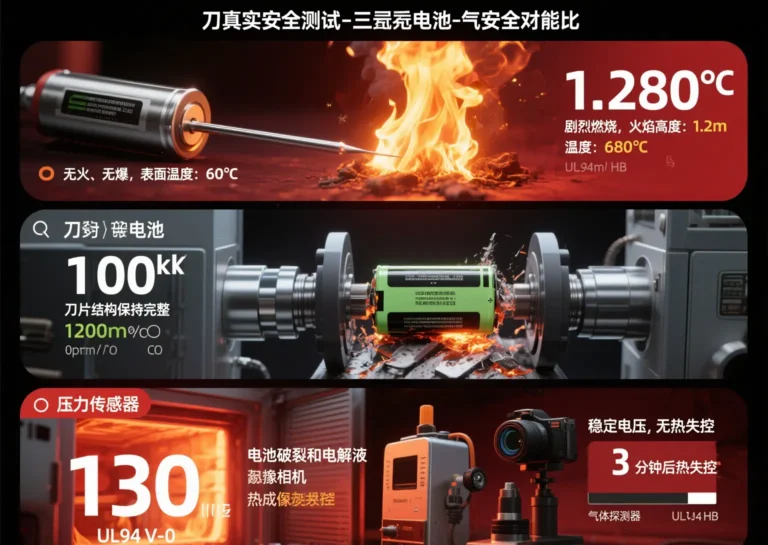
| Thermal safety | High | High |
| Energy density | Lower | Medium |
| Cycle life | 3000–6000 | 4000–7000 |
Sizing a Station Backup
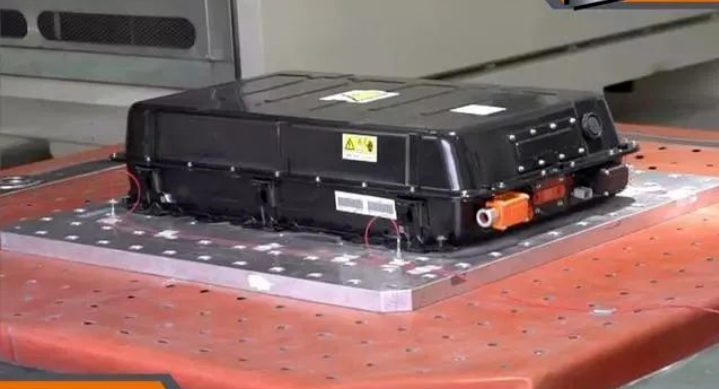
Calculate the energy needed to run the backup pump (or the duty pump at reduced rate) for the target autonomy window, add the control panel and telemetry load, and size the inverter for the pump’s starting current. Because pumps are inductive, allow 3–5x the running current for inrush and confirm the BMS and inverter can deliver it. Place the battery in a vented, secured kiosk with remote alarm on state-of-charge so operators know before the next storm, and keep the disconnect labeled for first responders.
Operations and Maintenance
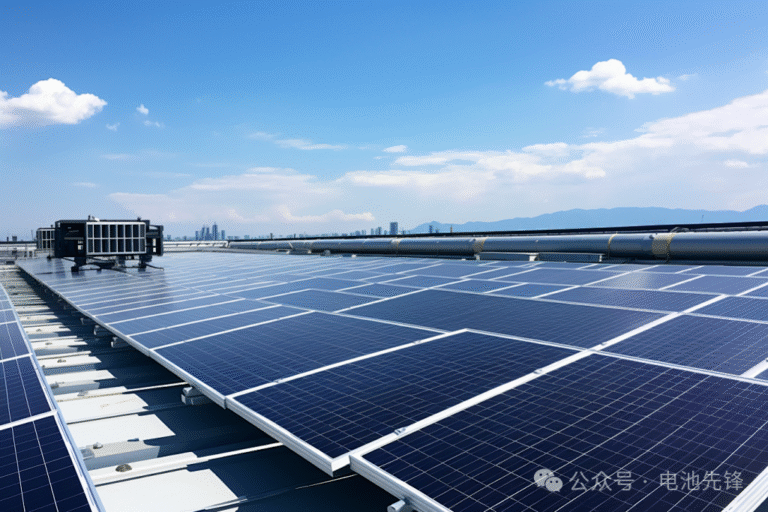
Sodium’s stability simplifies the enclosure: no aggressive fire suppression, no heated cabinet in cold regions. Set the system to self-test weekly, report health to the SCADA or a cloud dashboard, and schedule inspection on the same route as the generator it may replace. Pair it with a small solar or grid-top-up charger so the bank is always full before the next event, and log each discharge so you can prove reliability during audits.
Hybrid Layering
For stations in hurricane or wildfire zones, treat sodium as the first critical hours and keep a generator as the long-duration layer. The battery covers the instant, silent gap when the grid drops and the pump must keep draining; the generator takes over only if the outage extends past the battery’s window. This split cuts generator runtime, fuel, and noise while guaranteeing the well never overflows.
People Also Ask
Can sodium replace a diesel generator at a station? For short, frequent outages yes — it starts instantly and silently. For extended multi-day blackouts, keep a generator as the long-duration layer and let sodium cover the first critical hours.
Is sodium safe in a confined pump kiosk? Yes — sodium-ion has no dendritic lithium and a higher thermal-runaway threshold, which simplifies indoor and near-water containment.
How long does the backup last? Sized to the wet-well draw, a typical station gets 3–6 hours of pumping, enough to bridge most utility outages and drain the well safely.
Bottom Line
For a pumping station, backup is a permit and a pollution condition, not a convenience. A sodium ion battery delivers the cheap, cold-proof, safe hours a wet well needs, and it starts the moment the grid drops — which is exactly when it matters most.
Written by Karl at China Battery Technology. Request a quote.