Home Energy Storage for Mobile Clinics: Power Where the Road Ends
Home Energy Storage for Mobile Clinics: Power Where the Road Ends
A home energy storage system is not only for houses. Vaccination vans, dental buses, and rural health units carry fridges, lights, and diagnostic gear that must run whether or not the grid does. A compact all-in-one battery lets a mobile clinic park anywhere, switch on, and deliver care — no generator rumble, no diesel cans, no outage anxiety.
What a Mobile Clinic Draws
The heaviest continuous load is usually the vaccine or sample fridge (50–150 W), followed by LED lighting, a laptop or tablet, and occasionally an autoclave or suction pump in short bursts. Peak draw during a procedure might hit 1–2 kW for minutes. A battery sized for the fridge plus a comfortable margin covers the realistic day far better than sizing to the rare spike.
Why Storage Beats a Generator
Diesel generators are loud, need fuel logistics, and fail exactly when supply chains are strained. A lithium storage unit is silent during consultations, emits no fumes inside a confined bus, and recharges from solar on the roof or shore power at the depot. For cold-chain vaccines, uninterrupted power is a safety requirement, not a comfort.
Clinic Power Comparison
| Option | Noise | Fuel need | Cold-chain safe | Daily cost |
|---|---|---|---|---|
| All-in-one storage | Silent | None | Yes | Low |
| Generator | Loud | Diesel | Only while running | Medium |
| Lead-acid + inverter | Silent | None | Risky | Low |
Sizing the System
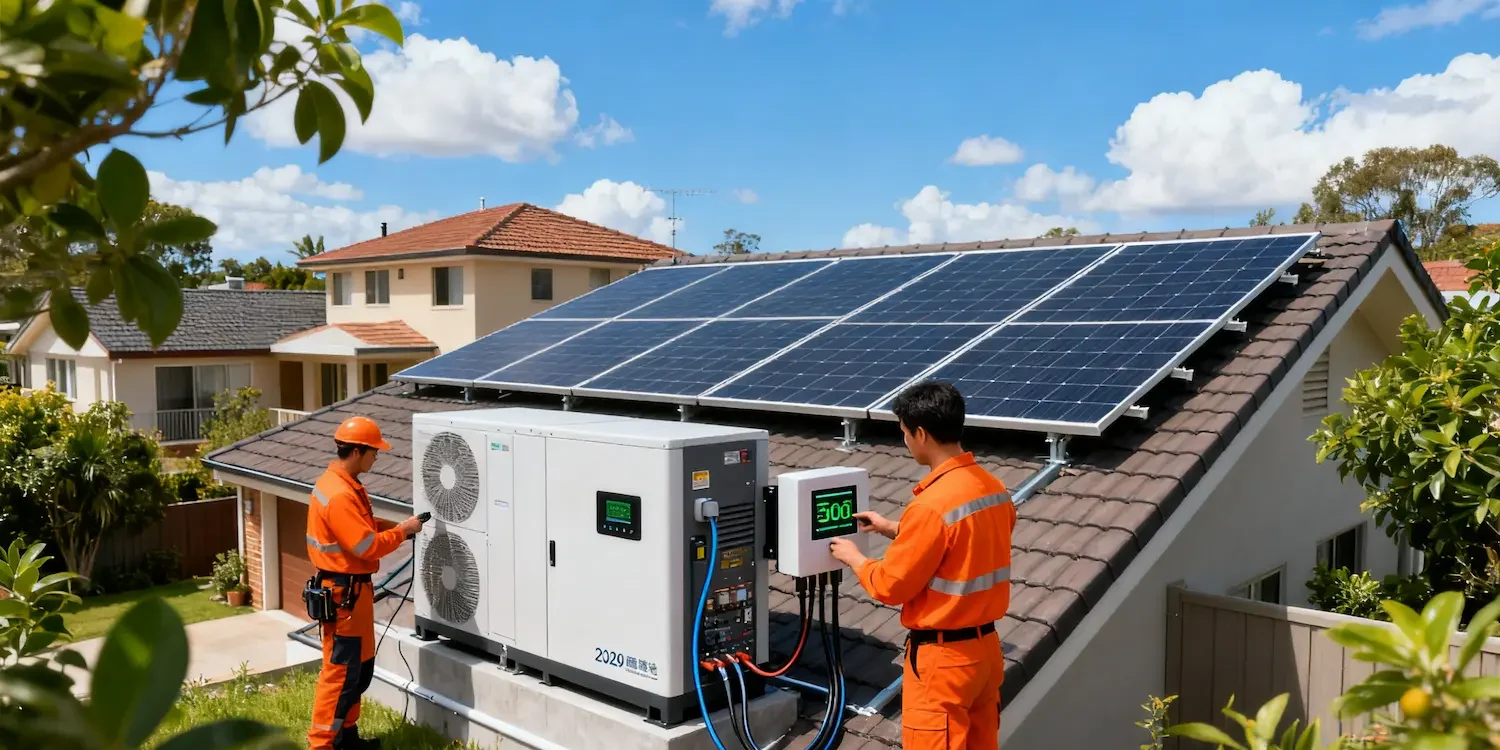
A 5–10 kWh all-in-one unit typically carries a fridge, lighting, and electronics through a full clinic day, with a 2–4 kW inverter to absorb procedure peaks. Add 1–2 kW of roof solar to stretch runtime and cut depot charging. Choose a unit with a certified inverter, clear state-of-charge readout, and remote monitoring so the coordinator can confirm the bus is charged before dispatch.
Deployment Tips
Mount the battery low and central for ride stability, ventilate the compartment, and keep medical loads on a dedicated backed-up circuit. Train staff on a one-minute pre-trip check: state-of-charge, fridge temperature, and a spare charging cable. A simple logbook of charge cycles also helps maintenance plan battery replacement before a failure interrupts service.
Hybrid and Backup Strategy
For multi-day deployments, pair the storage unit with a small roof solar array and a depot charger so the clinic never depends on a single source. On cloudy stretches the alternator tops the pack while driving between villages, and at base the unit recharges overnight on cheap grid power. Keep one spare pack or a second smaller unit as a cold-chain fallback so a single fault never risks a fridge full of vaccines.
Document the system simply: a laminated card showing state-of-charge targets, the fridge’s minimum safe temperature, and who to call if the inverter faults. Field crews rotate quickly, and a one-page routine prevents the most common failure — a flat battery from forgetting to plug in. Treated this way, an all-in-one storage system becomes the most reliable appliance on the bus.
Test the setup with a full-day rehearsal before a real deployment — run the fridge and lights from the pack only, log the state-of-charge curve, and confirm the solar or alternator keeps pace. That single dry run surfaces cabling, mounting, or sizing gaps while the bus is still at the depot.
People Also Ask
Will it run the fridge overnight? Yes — a 5 kWh pack holds a small medical fridge through 10–14 hours of modest draw, longer with solar top-up.
Can it charge from the vehicle alternator? Yes, with a DC-DC charger; many clinics also trickle-charge while driving between villages.
Written by Karl at China Battery Technology. Request a quote.