Home Energy Storage for Rural Clinics: Reliable Care Off-Grid
Home Energy Storage for Rural Clinics: Reliable Care Off-Grid
A home energy storage system is not a consumer luxury when the building is a rural health post. Vaccine refrigerators, diagnostic devices, lights, and communications all fail together the moment the grid drops — and in remote areas that drop can last hours or days. A properly sized battery, paired with solar, turns an unreliable supply into continuous, mission-critical power for patient care.

Why Clinics Are a Special Case
Health facilities have a “must-run” load that is non-negotiable: cold-chain refrigeration, an autoclave or sterilization light, a phone or radio for emergencies, and sometimes oxygen or monitoring equipment. Unlike a home, there is no option to wait out an outage. The storage system must cover the full autonomy window — typically 24–72 hours — between grid or solar recharges, with enough margin for consecutive cloudy days.
Solar Plus Storage Is the Default
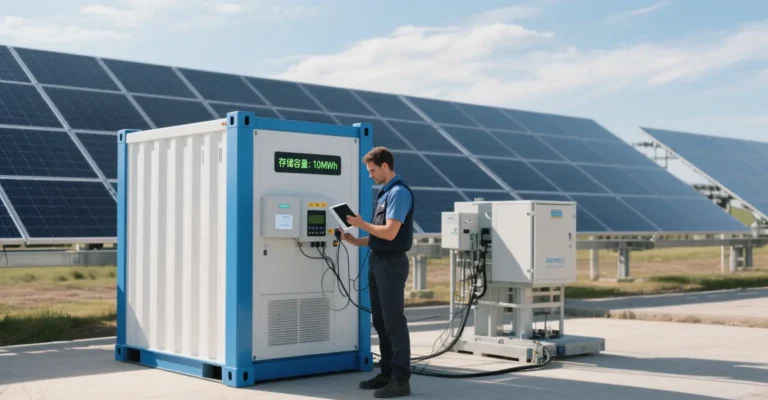
Most rural clinics pair a PV array with lithium storage because the sun is free and the alternative (diesel) is costly and logistically fragile. Lithium iron phosphate (LiFePO4) is the workhorse: safe, long-lived, and tolerant of daily deep cycling. An all-in-one unit with a built-in inverter and charge controller simplifies installation and reduces points of failure for a site with limited technical staff.
Clinic Storage Sizing
| Clinic load | Battery size | Typical autonomy |
|---|---|---|
| Vaccine fridge only | 5–10 kWh | 24–48 h |
| Fridge + lighting + comms | 10–20 kWh | 24–48 h |
| Full post + small lab | 20–40 kWh | 48–72 h |
| With diesel backup | 5–15 kWh | Bridge to genset |
Deployment and Maintenance
Put life-saving loads — the fridge and communications — on a backed-up sub-panel so a small battery covers the critical draw while non-essential loads ride the grid. Train a local operator on state-of-charge checks and basic troubleshooting, and specify remote monitoring so a distant technician can catch a failing pack before it costs vaccines. Keep spare fuses and a documented maintenance schedule; reliability is the whole point.
People Also Ask
How big a system does a small clinic need? Often 10–20 kWh covers a fridge, lights, and communications for a day or two; a full post with a small lab needs 20–40 kWh.
Is solar storage cheaper than diesel? Over 3–5 years, usually yes — diesel fuel and servicing costs exceed the upfront solar-plus-battery investment, and supply is far more reliable.
Written by Karl at China Battery Technology. Request a quote.