Lithium Battery for Electric Outboard Motors: Range and Safety
Lithium Battery for Electric Outboard Motors: Range and Safety
Electric outboard motors are replacing small two-strokes on tenders, fishing skiffs, and lake boats because they are quiet, fume-free, and cheap to run. But the motor is only as good as the pack behind it. A reputable lithium battery manufacturer builds marine packs that survive constant spray, vibration, and the deep discharges that come with a full day on the water.
Why Boaters Choose Lithium Over Lead-Acid
A lead-acid trolling or propulsion bank is heavy, loses capacity as it discharges, and hates being run below 50%. Lithium iron phosphate (LiFePO4) is roughly one-third the weight, delivers nearly full rated amp-hours down to cutoff, and shrugs off partial-state cycling. On a small boat, dropping 40 kg of battery weight directly improves handling and frees deck space for gear.
Marine Duty Requirements
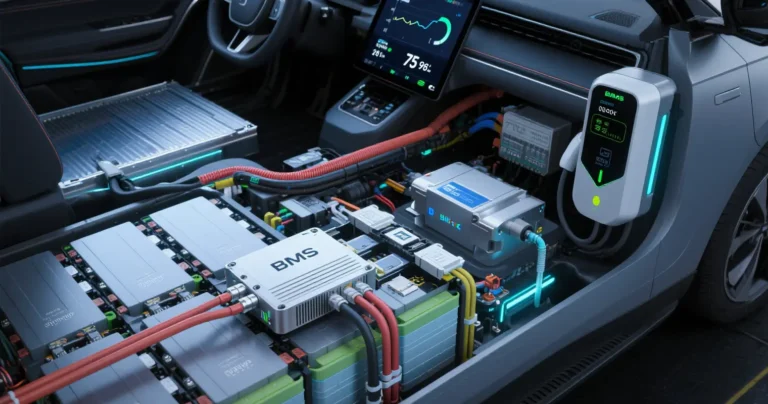
Water, salt, and motion are harsh. Specify IP67 sealed enclosures, stainless or coated hardware, and a BMS with cell-level balancing and a low-temperature charge cutoff so you cannot damage the pack by charging a cold battery. Vibration resistance to MIL-STD-810 levels keeps connections tight through chop, and a waterproof CAN or RS485 link lets the helm display state-of-charge.
Outboard Battery Comparison
| Attribute | LiFePO4 | Lead-Acid (AGM) | NMC |
|---|---|---|---|
| Weight (same Ah) | ~30% | 100% | ~25% |
| Usable capacity | 80-100% | 50% | 80-90% |
| Cycles | 3000-5000 | 300-500 | 800-1500 |
| Marine safety | High | Medium | Medium (thermal) |
| Cost per Ah over life | Low | High | Medium |
Sizing for Range
Range follows a simple rule: amp-hours times voltage equals watt-hours available, and a planing hull draws far more at speed than a displacement hull. Size for the worst realistic trip plus a 30% reserve, because headwind and current quietly eat range. A 12V 100Ah LiFePO4 gives about 1.2 kWh; two in series give 24V for higher-power motors.
People Also Ask
Can I use a car lithium starter battery? No. Use a deep-cycle LiFePO4 built for sustained discharge; starter batteries have thin plates that fail under trolling loads.
How do I charge on the boat? Via a DC-DC charger from the engine alternator, or a shore-power lithium charger at the dock. Never use a lead-acid-only charger without a lithium profile.
Written by Karl at China Battery Technology. Request a quote.