Lithium Battery for Underground Mining Equipment: Power That Survives the Depths
Lithium Battery for Underground Mining Equipment: Power That Survives the Depths
Underground mines are phasing out diesel and tethered cable trains in favor of battery-electric loaders, drill rigs, and haul trucks. Ventilation is the single biggest operating cost below ground, and removing diesel exhaust lets mines cut airflow and save enormous energy. A trusted lithium battery manufacturer can deliver the high-cycle, shock-rated packs and the fast charging infrastructure that keep a battery-electric fleet moving through long shifts without compromising safety in methane- and dust-prone headings.
Why Lithium Wins Underground
Mining duty is brutal: deep discharge, heavy vibration, wide temperature swings, and zero tolerance for failure mid-shift. Lithium iron phosphate (LiFePO4) handles 80–100% depth-of-discharge daily, delivers the surge current a drill or tramming motor needs, and keeps capacity after thousands of cycles. Compared with lead-acid, it removes watering, acid handling, and the gassing that forces extra ventilation.
Safety in a Confined, Explosive Atmosphere
Underground headings are potentially explosive (methane, coal dust), so battery systems must carry Ex-rated enclosures, redundant contactors, and cell-level fusing. LiFePO4’s stable chemistry lowers thermal-runaway risk, and the BMS isolates faults before they propagate. Charging bays are sited in well-ventilated, monitored zones with gas detection interlocks.
Mining Battery Comparison
| Attribute | LiFePO4 | Lead-Acid | NMC |
|---|---|---|---|
| Depth of discharge | 80–100% | 50% | 80–90% |
| Cycle life | 3000–6000 | 300–500 | 1000–2000 |
| Ventilation load | Low | High (gassing) | Medium |
| Fast-charge | Good | Poor | Excellent |
| Explosive-atmos. fit | High | Low | Medium |
Sizing and Charging Strategy
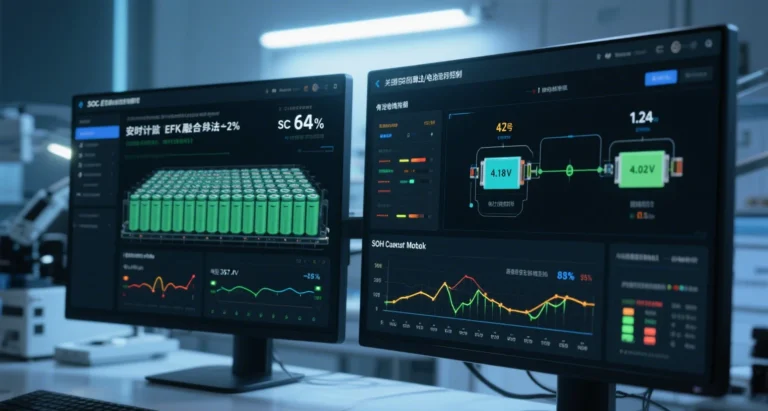
Size the pack to a full shift of tramming plus reserve, and pair it with opportunity charging at the shaft or a mid-level depot so trucks swap energy during operator breaks. Plan for a 10–15 minute fast top-up capable of 1C–2C, and model the charger load against the mine’s power supply. Track each pack’s throughput to schedule balanced maintenance before capacity fades mid-shift.
People Also Ask
Can lithium replace diesel underground? Yes — battery-electric loaders and drills are in commercial underground service worldwide, with ventilation savings often paying for the conversion within a few years.
Is charging safe near methane? With Ex-rated enclosures, gas-interlocked charging bays, and a certified BMS, charging is routinely permitted in monitored zones; open charging in active headings is not.
Written by Karl at China Battery Technology. Request a quote.