Lithium Battery for Port Cranes: Electrifying Container Handling
Lithium Battery for Port Cranes: Electrifying Container Handling
Container terminals are replacing diesel hydraulic cranes and cable-reel electrified cranes with battery-powered options to cut local emissions, noise, and shore-power cabling. Rubber-tyred gantry (RTG) cranes, ship-to-shore drives, and straddle carriers all benefit from packs that capture regenerative energy on every lowering cycle. A credible lithium battery manufacturer supplies the high-cycle cells, liquid thermal management, and fleet BMS that keep a crane available through a 24/7 shift pattern.
Why Cranes Are Moving to Lithium
A crane is a regenerative machine by nature: lowering a 40-foot box or closing the trolley returns energy to the bus. Lead-acid cannot absorb that pulse efficiently and degrades fast under partial state of charge, so terminals historically ran diesel or drew shore power through costly reels. Lithium accepts the regen, rides shallow cycling without sulfation, and removes the cabling that limits crane movement across the yard. Terminals also gain scheduling flexibility, since battery cranes can be repositioned without laying new reels and can work bays that were previously unreachable by shore power.
Duty Cycle and Fast Charging
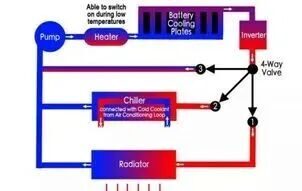
RTG cranes run in intense bursts — a single lift can draw hundreds of amps for seconds, then the pack recharges from the next lowering. The battery must deliver high sustained power and accept fast opportunity charging during brief idle gaps between vessel windows. Specify liquid cooling so the pack holds performance in hot apron conditions, and size usable energy to cover a full shift plus a regen buffer rather than a single lift. Because regen dominates the energy balance, the pack spends most of its life near mid-state-of-charge, which is exactly where lithium ages slowest, so calendar life stretches well beyond a simple cycle count suggests.
Port Crane Battery Comparison
| Attribute | LiFePO4 | NMC | Lead-Acid |
|---|---|---|---|
| Regen absorption | Excellent | Excellent | Poor |
| Cycle life | 4000–7000 | 2000–4000 | 500–1000 |
| Fast-charge | Good | Excellent | Poor |
| Weight saved | ~60% | ~65% | — |
| Apron safety | High | Medium | Medium |
Safety and Environmental Gains
Battery RTGs eliminate diesel exhaust from the quayside, improving air quality for crews and nearby communities and helping terminals meet emissions caps. LiFePO4’s thermal stability, combined with container-level fire isolation and a monitored BMS, is the conservative choice for confined crane houses. Removing shore reels also reduces trip hazards and frees the yard layout for higher stacking density.
Deployment and Total Cost
Standardize the pack voltage across crane classes to simplify charging and spares, and use opportunity charging at the stack rather than battery swaps. Track per-pack throughput to schedule balanced maintenance before capacity fades mid-season. Although the upfront pack costs more than diesel, terminals typically recover it through fuel savings, lower maintenance, and captured regen within a few years of continuous operation.
People Also Ask
Can a lithium crane run a full shift without charging? Yes — a correctly sized pack covers a shift and is topped up by regen and short opportunity charges between vessel windows.
Is lithium safe on a working quay? LiFePO4 with redundant BMS, liquid cooling, and fire-isolated housing is widely deployed on RTG and STS cranes at major ports.
What about cold-weather ports? Liquid thermal management keeps the pack in its operating band, so northern terminals see stable performance year-round.
Does it pay back versus diesel? Most terminals report payback in a few years from fuel, maintenance, and regen savings under continuous duty. Planning the swap from diesel also lets terminals phase the capital over a season rather than a single budget line, which smooths approval and keeps cranes moving during the transition.
Written by Karl at China Battery Technology. Request a quote.