Lithium Battery Thermal Management for High-Rate Packs
Lithium Battery Thermal Management for High-Rate Packs
At high discharge and fast charge rates, heat — not chemistry alone — limits pack performance. Effective lithium battery thermal management is what lets an electric bus or grid inverter deliver full power without tripping on temperature. A competent lithium battery manufacturer designs cooling in parallel with the electrical architecture, not as an afterthought.
Why Temperature Control Matters
Cell resistance rises as temperature falls and chemical side-reactions accelerate as it climbs. Above ~45 °C, calendar aging accelerates sharply; above the thermal-runaway threshold the pack is unsafe. Keeping cells in a 15-35 °C window maximises both power and life.
Cooling Strategies
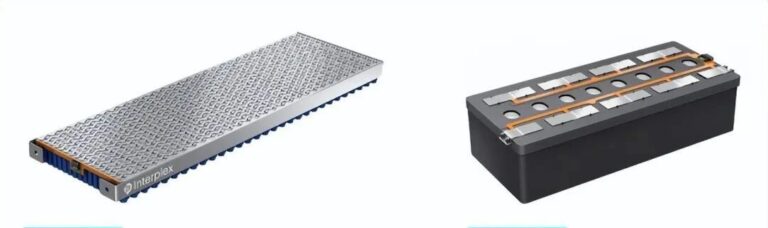
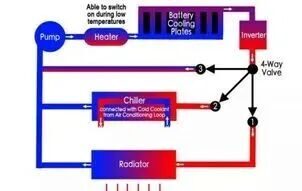
Air cooling is cheap and simple, using fans and fins — fine for moderate-rate stationary storage. Liquid cooling (glycol plates or immersion) removes far more heat per volume and is standard for EVs and high-C industrial packs. Phase-change material buffers short spikes without active power.
Heating for Cold Climates
Below 0 °C, charging must be throttled or the cell plates metallic lithium (plating), which permanently damages it. Self-heating films or liquid loops warm the pack to a safe window before charge begins.
| Method | Heat removal | Cost | Best for |
|---|---|---|---|
| Air (fan) | Low | Low | Stationary, low-C |
| Liquid plate | High | Medium | EV, industrial |
| Immersion | Very high | High | Ultra high-rate |
| PCM | Buffering | Medium | Spike loads |
Designing Cooling Into the Pack
Thermal strategy flows from the duty cycle. For a high-rate program, battery application solutions engineers model heat generation at peak C-rate, place sensors between parallel groups, and size the loop so no cell exceeds the target window. BMS thermal cutoffs are the last line of defense, not the primary control.
Frequently Asked Questions
Can I add cooling after building the pack? Rarely well. Retrofit fans help marginally but cannot match integrated liquid plates.
What temperature should the BMS target? Hold cells roughly 15-35 °C; cut charge below 0 °C and throttle above ~45 °C.
Does cooling reduce cycle life? The opposite — tight temperature control extends life significantly.
Written by Karl at China Battery Technology. Request a quote.