Lithium Battery for Pumping Station: Backup Power Where the Grid Is Weakest
Lithium Battery for Pumping Station: Backup Power Where the Grid Is Weakest
Water and wastewater pumping stations are built where the water is, which is almost never where the grid is strong. They sit at the end of long rural feeders, in flood plains, in pits and in locked kiosks beside a road. When the supply fails the consequence is not an inconvenience but a sewage overflow, a dry reservoir or an unwatered district. A qualified lithium battery manufacturer can specify a bank that absorbs the pump’s starting surge, delivers a defined autonomy window and survives a decade in a damp, unattended enclosure.

What Makes Pump Loads Hard
A pump is a motor, and a motor draws five to seven times its running current for the first few hundred milliseconds. Any backup system has to supply that inrush without collapsing the DC bus, and then carry the run current for hours. Duty is intermittent and unpredictable: a storm-water station may sit idle for a fortnight and then start every fifteen minutes for two days. That pattern destroys lead-acid through partial-state-of-charge sulfation, and it is exactly the pattern lithium handles well.
Chemistry and Configuration
LiFePO4 is the standard choice for fixed pumping plant. It offers 3000 to 6000 cycles, holds charge with less than 2 percent self-discharge per month, and its thermal stability matters in a below-ground wet well or a sealed kiosk with no forced ventilation. For remote solar-powered boreholes and irrigation pumps where weight and winter temperature matter, sodium-ion is increasingly competitive. Voltage is normally 48 V for smaller stations and 400 V DC or higher for large plant feeding a variable-speed drive.
Pumping Station Backup Comparison
| Attribute | LiFePO4 | Sodium-Ion | VRLA Lead-Acid |
|---|---|---|---|
| Surge capability | 3–5× rated | 2–3× rated | Low & sagging |
| Cycles | 3000–6000 | 2500–4000 | 300–500 |
| Self-discharge / month | <2% | <3% | 5–10% |
| Intermittent duty | Excellent | Excellent | Poor |
| Service interval | Annual check | Annual check | 6-month replacement |
Sizing for Surge and Autonomy
Work in two steps. First, size for surge: add the locked-rotor current of the largest pump to any loads that must start with it, and confirm the inverter or drive can deliver that for long enough to break the pump away. Second, size for autonomy: take the duty cycle from the telemetry history rather than the design drawing, because real stations often run far more than specified. Four to eight hours is the common requirement for wastewater, and 24 hours or more for a critical water transfer main.
Enclosure and Flood Reality
Stations flood. Put the battery above the design flood level, or on a raised plinth inside the kiosk, not in the wet well. Specify IP65, a drain at the lowest point, and an anti-condensation heater if the site sees large day-night swings. Below-ground installations need gas detection and ventilation interlocks, and the DC isolator must be reachable without entering a confined space.
Telemetry and Remote Sites
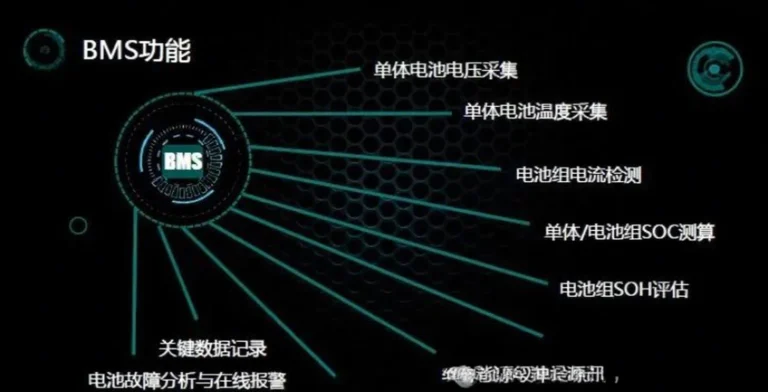
Because these sites are unattended, the battery management system is part of the control system. Expose state of charge, cell temperatures, alarm states and cycle count over Modbus or a simple 4–20 mA link into the existing outstation, so a drop in capacity shows up in the SCADA trend before it becomes a failed start. Remote sites without a communications link should at least log locally and flag an alarm contact on the telemetry input.
Solar and Generator Hybrid Options
Many rural stations already have a diesel socket and a small solar array. A lithium bank makes that combination work properly: it stores solar during the day, runs the night duty cycle silently, and lets the generator run at full load for short periods rather than idling. Fuel deliveries drop sharply, and noise complaints from nearby housing usually disappear.
What to Ask a Supplier
Ask for the surge rating in writing, not just the continuous rating, and give the supplier the pump’s locked-rotor current and starting method. Request the autonomy calculation based on your telemetry duty cycle, confirm IP and corrosion ratings for a damp site, and check that the BMS speaks your telemetry protocol so capacity loss is visible in SCADA.
People Also Ask
How long should a pumping station battery last? Ten to fifteen years with LiFePO4 if sized correctly and kept dry, against three to five years for valve-regulated lead-acid in the same intermittent duty.
Can a lithium battery start a large pump directly? Yes, if the inverter is rated for the locked-rotor surge. Confirm both the battery surge current and the inverter’s short-term overload rating.
Does the bank need to be in the wet well? No, and it should not be. Mount it above the design flood level in a ventilated kiosk or on a raised plinth.
What happens if a pump never runs for months? Lithium self-discharges slowly and tolerates partial charge, so it stays ready. Fit a maintenance charge cycle and let telemetry flag any cell drift.
Written by Karl at China Battery Technology. Request a quote.