Home Energy Storage for Public Library Backup and Solar Self-Use
Home Energy Storage for Public Library Backup and Solar Self-Use
A public library is a community building with an unusual electrical profile: long, low daytime load from lighting and HVAC, heavy intermittent demand from public computers and a makerspace, and a duty to stay open as a cooling or warming centre during extreme weather. A home energy storage system scaled to commercial duty lets a branch capture rooftop solar during the day and carry critical circuits through an afternoon outage without a generator.
Why Libraries Are Good Storage Candidates
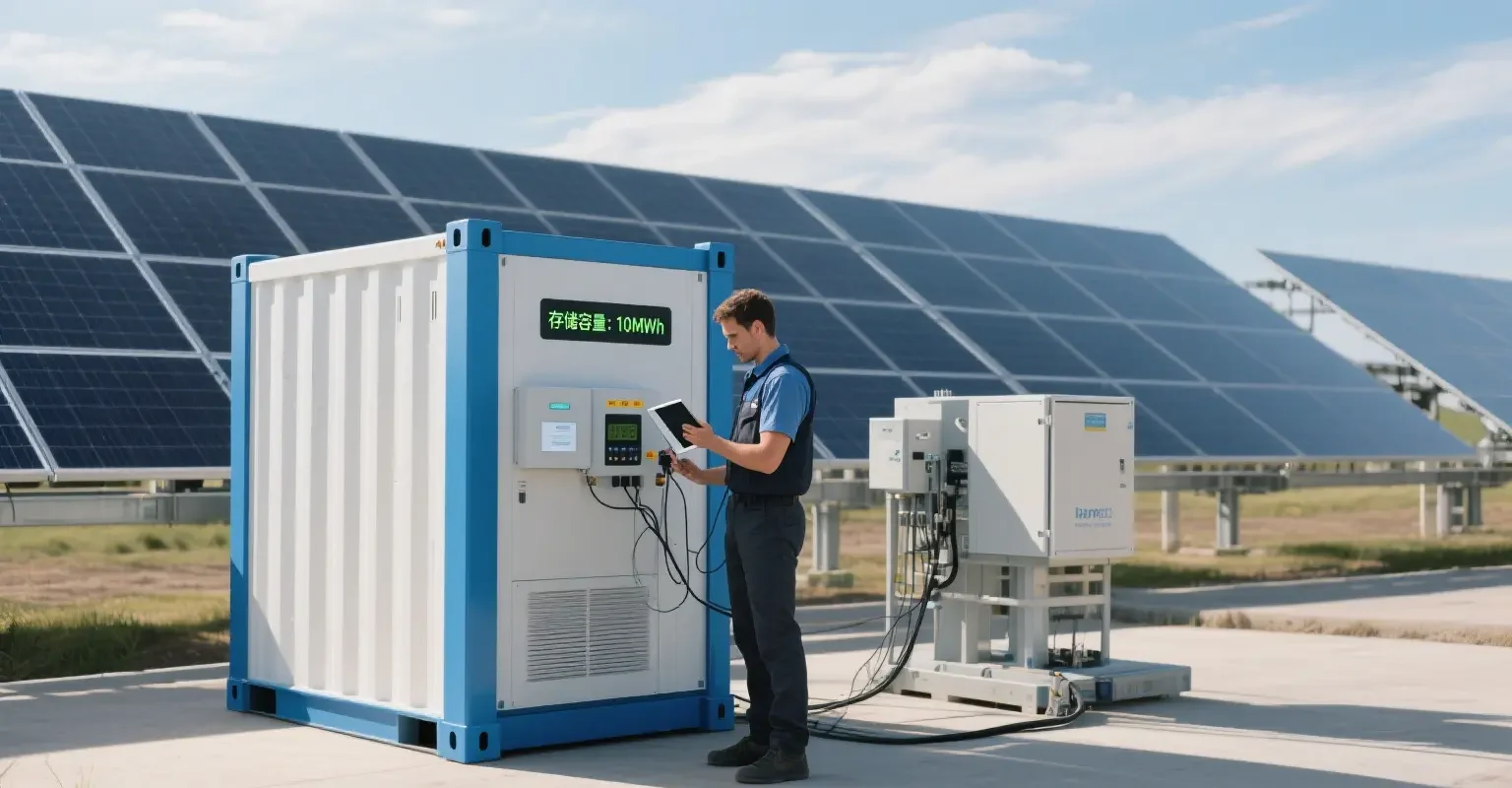
Library demand peaks in the middle of the day, which is exactly when rooftop solar produces. Most branches export a large share of that generation at a poor rate and then buy back in the evening. Shifting four to six hours of self-consumption is usually the largest single saving a branch can make on its electricity bill, and it requires no change to opening hours or service.
Resilience Is Now Part of the Mission
Many library systems have formalised their role as community resilience hubs: a place residents go for cooling, heating, device charging and internet when the grid is down. That role is hard to deliver with a generator that needs fuel delivery and a staff member to start it. A battery with automatic transfer keeps a designated zone — usually the meeting room, a bank of outlets and the Wi-Fi — live for hours with no intervention.
Load Priorities in a Branch
| Load | Demand | Backup priority |
|---|---|---|
| Meeting room lighting and outlets | 3–6 kW | Critical |
| Network, Wi-Fi, public PCs | 2–4 kW | Critical |
| HVAC (reduced zone) | 8–20 kW | Conditional |
| Stacks and general lighting | 5–10 kW | Shed |
| Makerspace equipment | 3–8 kW | Shed |
Sizing From the Bill, Not the Roof
Start with twelve months of interval data. Find the median daytime export and the evening import peak; a useful battery rarely needs to exceed 1.2x the evening peak in energy terms, because anything larger sits idle most days. For a typical 1,000 square metre branch, that lands somewhere between 40 kWh and 100 kWh, paired with whatever inverter capacity the critical panel requires.
Protecting Collections and Equipment
Archival and special-collections areas need tight temperature and humidity control, and a four-hour outage in summer can push a reading room well outside its band. Put the collections HVAC on the critical panel if the branch holds anything irreplaceable, and log temperature continuously so you can demonstrate due care. Voltage quality matters too: modern storage inverters deliver clean output that protects the servers and public terminals behind them.
Funding and Procurement
Library storage projects are frequently funded through municipal resilience or clean-energy grants rather than the operating budget, which changes the specification. Grant funders usually want measured performance, so insist on an energy-management portal with exportable interval data from day one, and ask the installer to include a one-year performance report in the contract.
What to Ask a Supplier
Confirm the system can island safely with the utility present, that the critical-loads panel is separately metered for grant reporting, and that the warranty covers commercial cycling rather than a residential duty assumption. Ask too how the system behaves when the branch HVAC is on the backup panel — compressor inrush is the single most common cause of a nuisance trip on commissioning day.
People Also Ask
Can a library stay fully open on battery? Not usually at full HVAC. Most branches back up a designated resilience zone for four to eight hours rather than the whole building.
Does storage pay back without solar? On time-of-use tariffs, yes, though the payback roughly doubles. Solar plus storage is the stronger financial case.
What about the makerspace equipment? Keep laser cutters and kilns off the backup panel unless specifically sized; their peak demand can dwarf everything else combined.
How long do the batteries last? Expect 10–15 years with daily cycling, and plan for roughly 70% remaining capacity at the end of the warranty period.
Written by Karl at China Battery Technology. Request a quote.