Sodium-Ion Battery for Tannery: Drums, Effluent Plant, and a Process That Cannot Pause
Sodium-Ion Battery for Tannery: Drums, Effluent Plant, and a Process That Cannot Pause
Tanning is a schedule-driven wet process, and the schedule is chemical rather than convenient. Hides in a drum are mid-reaction; a beamhouse stopped partway through a cycle produces material that has to be assessed, reworked, or written off, and the effluent plant that keeps you inside your discharge consent does not pause either. Tanneries also run warm and permanently humid, which is the environment that ages a lot of battery chemistry early and is precisely where a sodium ion battery earns its place: wide usable temperature window, tolerance of deep discharge, and no fuss about partial state of charge.

Where the Loss Actually Sits
Start with the drums. Rotation is not optional during a process step, and a drum stalled with a full liquor charge is both a product risk and a mechanical one, because restarting a loaded drum from rest is a very different proposition to keeping it turning. Then there is the effluent treatment plant: aeration, dosing, and pH control keep you compliant, and a consent breach triggered by an outage is a regulatory conversation, not a production one. Add the vacuum dryers and the setting-out machines if you are finishing on site, plus the ammonia extraction in the beamhouse. Yard lighting, the office, and the warehouse can wait for a generator.
Why Sodium Suits a Warm, Wet Hall
Beamhouse and wet-blue areas sit warm and close to saturated much of the year, and that combination shortens lead-acid service life badly while doing no favours to electronics either. Sodium-ion keeps its usable window at temperatures that would have you derating other options, tolerates the deep discharge that a standby bank occasionally sees, and does not carry the supply-chain exposure that makes some buyers cautious about lithium for a non-critical duty. It also behaves well on the long float periods between events, which is what a tannery bank actually does ninety-nine per cent of the time.
Tannery Support Options
| Attribute | Sodium-Ion Bank | LFP Battery Bank | Diesel Genset |
|---|---|---|---|
| Transfer time | <20 ms | <20 ms | 10–30 s |
| Tolerance of warm humid halls | Strong | Good, needs ventilation | Good, needs dry location |
| Loaded drum restart | Yes, with rated overload | Yes, with rated overload | Good once online |
| Practical autonomy | 20–60 min | 20–60 min | Hours, with fuel |
| Routine maintenance | Monitoring only | Monitoring only | Servicing, load banks, fuel |
Enclosure, Corrosion, and Siting
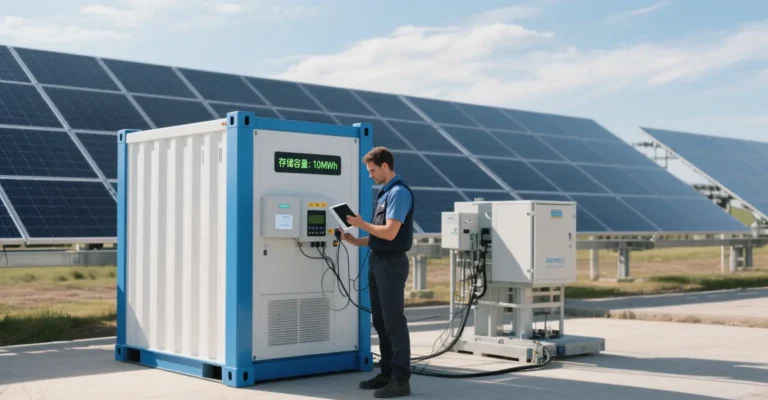
The chemistry is not the hard part here; the atmosphere is. Hydrogen sulphide and ammonia in a beamhouse attack copper and electronics long before they trouble the cells, so the bank belongs outside the wet areas in a ventilated, positively rated room, with cable entries and glands chosen for the environment and the enclosure finish specified honestly. On a coastal site, say so up front: salt-laden air changes the specification for cabinets, fasteners, and air handling. Ask for conformal coating on the control boards and treat the room as a controlled space, not a corner of the beamhouse.
What to Ask a Supplier
Ask for usable capacity at your highest expected ambient temperature, not at twenty-five degrees. Ask which motors the short-term overload rating was verified against, and whether it covers the worst case of drums and aeration restating together. Ask what the warranty says about continuous operation in a corrosive, high-humidity environment, and whether the supplier has commissioned at a wet-process site and can point to the corrosion protection that followed.
People Also Ask
Can a battery restart a loaded process drum? Yes, if the short-term overload rating covers the starting current of the largest drum plus the running load. Give your supplier both figures and ask for the overload rating in writing.
Should the effluent plant be on backup? It should be near the top of the list. A discharge consent breach caused by an outage is a regulatory matter, and the cost of staying compliant is small compared with the cost of not doing so.
How much autonomy does a tannery need? Twenty to forty minutes covers most disturbances and bridges to a generator. The point is to keep processes moving or park them safely, not to run a shift.
Does humidity shorten battery life? It shortens the life of the electronics and the enclosure far more than the cells. Put the bank in a clean ventilated room and specify corrosion protection for everything around it.
Written by Karl at China Battery Technology. Request a quote.