Lithium Battery for Geothermal Power Plant: Backup and Downhole Power
Lithium Battery for Geothermal Power Plant: Backup and Downhole Power
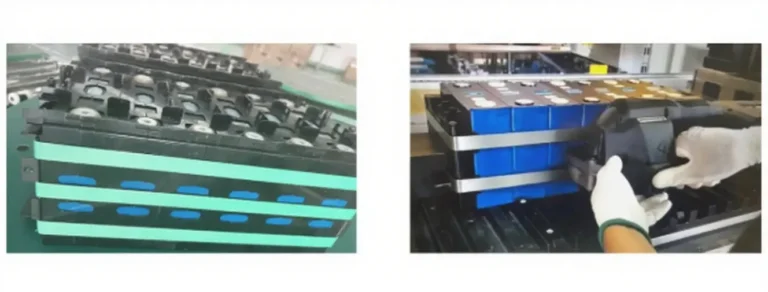
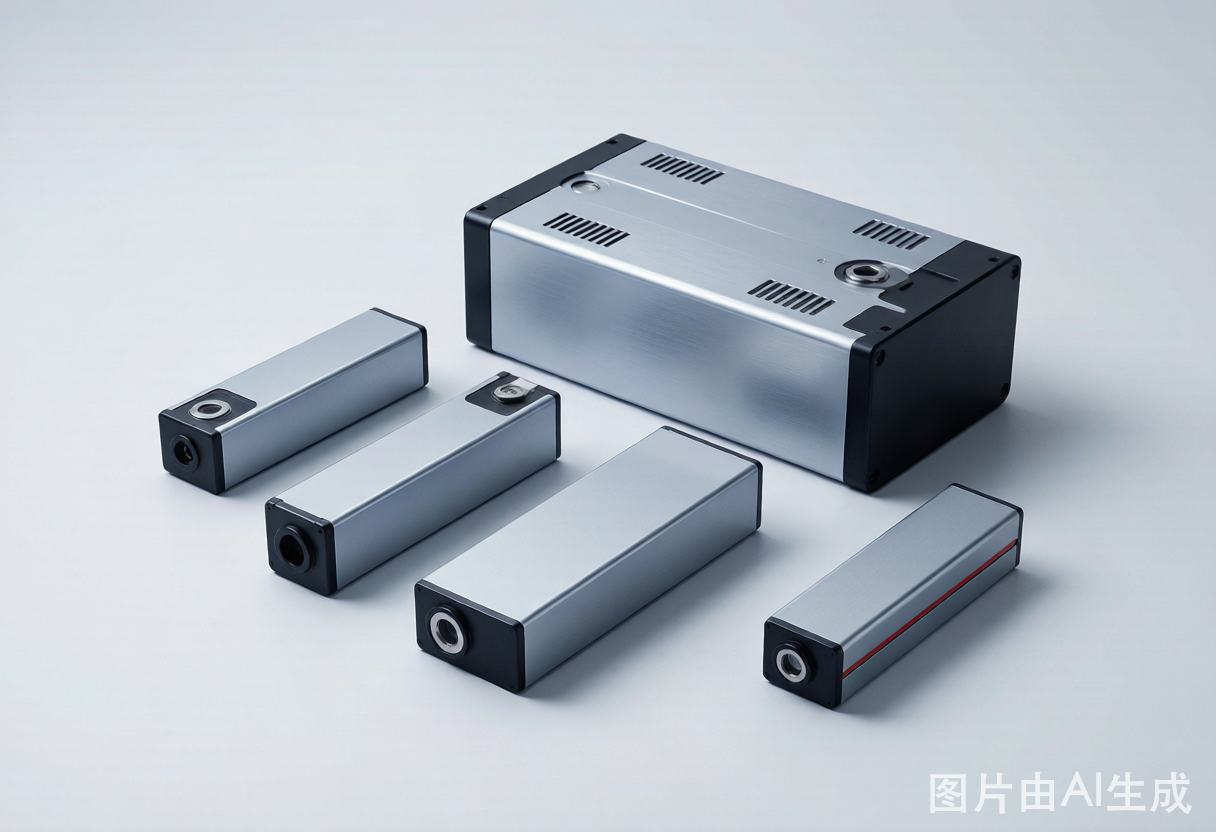
A geothermal power plant has two very different power problems. On the surface, wellhead control valves, SCADA cabinets and emergency shutdown systems must stay alive when the plant trips. Downhole, measurement-while-drilling tools run in an environment hot enough to destroy a conventional pack. An experienced lithium battery manufacturer specifies both: a surface bank sized for the emergency shutdown load, and high-temperature cells qualified for the borehole.
Why Geothermal Sites Stress Batteries
Geothermal wellheads sit in a corrosive atmosphere carrying hydrogen sulphide and mineral-laden steam, and ambient temperature near the pad runs well above a normal substation. Electronics enclosures see 50 °C on a routine summer day. Batteries installed there must hold capacity under sustained heat, resist terminal corrosion, and survive months of float service between events.
Surface Backup: Wellhead and SCADA
Wellhead control panels close the master valve on loss of power, so the backup bank is a safety component rather than a convenience. LiFePO4 is the default choice: it tolerates high ambient temperature better than lead-acid, needs no watering, and its low self-discharge means a pad visited once a quarter still has a charged bank. Size the bank for the emergency shutdown sequence rather than the average draw, then add margin for cold-start heater load.
Downhole Power: High-Temperature Cells
MWD and logging-while-drilling tools run on primary lithium cells because rechargeable packs cannot survive 150–200 °C for hours at a time. Lithium-thionyl-chloride chemistry is the established answer for these runs, delivering high energy density with a stable discharge curve across the temperature band. Specify cells with a documented thermal profile and a manufacturer that can supply lot traceability, because a cell that fails at depth costs a full trip out of the hole.
Geothermal Battery Comparison
| Attribute | LiFePO4 (surface) | LTO | Li-SOCl2 (downhole) | Lead-Acid |
|---|---|---|---|---|
| Max continuous temp | 60 °C | 55 °C | 200 °C | 40 °C |
| Cycle life | 3000–6000 | 15000+ | Primary (single use) | 300–500 |
| Maintenance | None | None | None | Watering |
| H2S corrosion resistance | High (sealed IP66) | High | High | Low (vented) |
| Typical duty | Wellhead backup | Frequent cycling | MWD tools | Legacy sites |
Enclosure and Certification
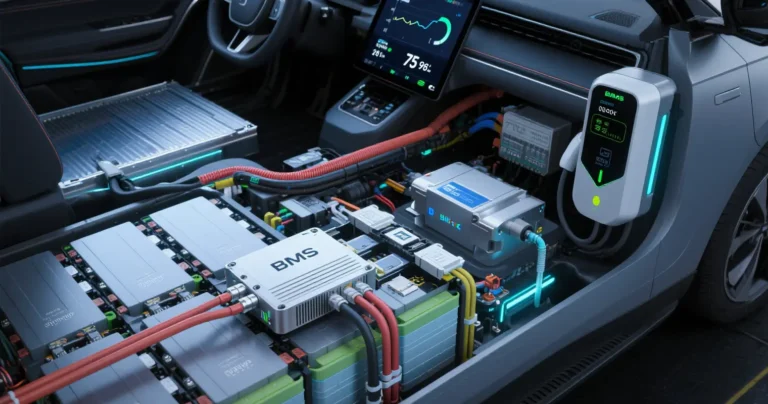
Ask for IP66 sealing, conformal-coated boards, stainless or powder-coated hardware rated for H2S service, and a BMS with dry contacts wired into the plant alarm system. Remote state-of-health reporting matters when pads are spread over kilometres; a bank that can report its own degradation is far cheaper to operate than one discovered flat during an audit. Confirm compliance with IEC 62619 for industrial installations.
What to Ask a Supplier
Before you commit, request the cell datasheet with temperature derating curves, the thermal-runaway test report, a bill of materials that names the cell maker, and a reference installation at a comparable site. Ask how the BMS behaves at end of life: a bank that simply disconnects without warning is a safety gap.
People Also Ask
How hot can a lithium wellhead battery operate? Surface LiFePO4 banks are typically rated to 60 °C continuous; above that you need active cooling or a relocated enclosure. Always check the derating curve, not the headline figure.
Can lithium replace lead-acid in an existing wellhead panel? Usually yes. The enclosure and cabling generally stay; you change the charger profile and add a BMS, and confirm the ambient temperature sits inside the lithium rating.
Why not use rechargeable packs downhole? Sustained temperatures above 150 °C destroy the separator and electrolyte of rechargeable cells. Primary lithium-thionyl-chloride chemistry is built for that band and is what most MWD tools use.
How often should a geothermal backup bank be tested? Run a full discharge test annually and a partial load test quarterly, logging capacity so you can see degradation before it becomes a failure.
Written by Karl at China Battery Technology. Request a quote.