Sodium-Ion Battery for Sluice Gate Control: Backup That Holds in Winter
Sodium-Ion Battery for Sluice Gate Control: Backup That Holds in Winter
A sluice gate exists for the one moment when everything else is going wrong: the river is rising, the grid is out, and it is two degrees above freezing at three in the morning. The actuator must still move. Water authorities are now evaluating a sodium ion battery bank for this duty because it combines cold-weather tolerance, transport and storage safety, and a cycle life that survives years of standby punctuated by a few deep discharges.
Why Gate Control Is a Hard Backup Load
Hydraulic and electromechanical gate actuators draw very high current for short windows — often 5–30 kW for a few minutes — superimposed on a small continuous load from telemetry, level sensors and gate position encoders. The bank therefore has to deliver high C-rate pulses while sitting at float for months at a time. That profile punishes chemistries that degrade at high state of charge, which is exactly where a standby bank lives.
Where Sodium-Ion Fits
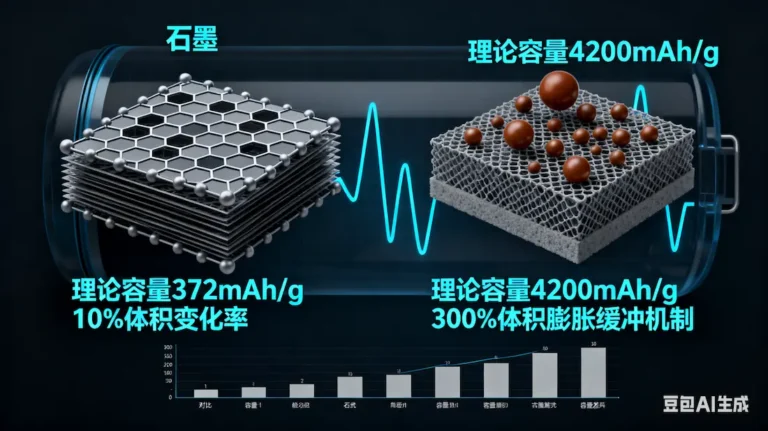
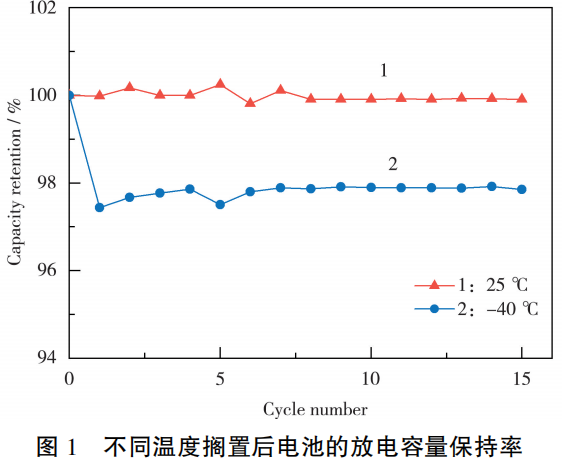
Sodium-ion cells tolerate deep discharge without damage, hold usable capacity well below freezing, and can be transported and stored at zero volts, which simplifies logistics for remote structures and removes a fire-safety objection in locked concrete gate houses. Energy density is lower than lithium, but a gate house has floor space and does not care about weight. Cycle life in the 3000–5000 range means the bank outlasts the actuator it serves.
Gate Backup Comparison
| Factor | Sodium-Ion | LiFePO4 | VRLA Lead-Acid |
|---|---|---|---|
| Cold-weather capacity retention | Good | Moderate | Poor |
| Pulse (high C-rate) capability | High | High | Low |
| Degradation at float charge | Low | Low–moderate | High (sulfation) |
| Transport / storage safety | Can ship at 0 V | Requires charge state control | Spill risk |
| Typical service life | 8–12 years | 8–12 years | 2–4 years |
Sizing to the Worst-Case Gate Movement
Do not size to average draw. Size to the worst credible event: every gate on the structure moving sequentially, in the cold, at the end of a grid outage. Take the actuator’s rated power, apply a cold-oil derating factor, multiply by the number of gates that must operate in one sequence, and add the autonomy window for telemetry and control. Most structures land on a bank that delivers 30–60 minutes of full actuator duty plus 24–72 hours of control power.
Integration With Existing Actuator Panels
Sodium-ion has a different voltage window than lead-acid, so the charger and the actuator’s motor starter both need checking. Most retrofit projects either add a lithium/sodium-compatible charger or use a battery bank with an integrated DC-DC output stage that presents a stable voltage to the existing panel. Confirm that undervoltage protection on the actuator will not trip during the inrush of a simultaneous start, and add a soft-start or sequenced start if it will.
Telemetry and Proof Testing
A standby bank fails silently, so build testing into the maintenance routine. Specify a BMS that reports state of charge, cell voltages and internal resistance trend over RS485 or Modbus into the SCADA system, and schedule a quarterly discharge test that actually moves the gate rather than just reading a voltage. Regulators increasingly want logged evidence that backup power was exercised, and automated reporting removes that paperwork.
What to Put in the Enquiry
Send the manufacturer the actuator nameplate data, the required autonomy window, the site’s minimum and maximum ambient temperatures, the enclosure’s IP rating and any anti-condensation provisions, and the communication protocol your SCADA expects. Ask specifically for cold-temperature discharge data, a float-life statement, and the transport classification so the procurement file is complete.
People Also Ask
Will a sodium-ion bank work in freezing weather? Yes, better than lead-acid and generally better than lithium at sub-zero discharge. Charging below freezing still needs a controlled regime or an integrated heater, so specify the low-temperature behaviour explicitly.
Can it replace lead-acid in an existing gate house? In most cases yes, but the charger and motor protection settings need review. A bank with a regulated output stage makes the retrofit far simpler.
How often should the backup be tested? Quarterly is common for critical flood assets, with a full discharge test that moves the gate at least annually. Avoid testing only at the terminal voltage; a weak cell hides behind a healthy open-circuit reading.
What autonomy should we specify? Match the site’s emergency operating plan. Most authorities specify enough energy for a full gate sequence plus 24–72 hours of telemetry and control, then size solar or a small genset to extend beyond that.
Written by Karl at China Battery Technology. Request a quote.