Semi-Solid Battery for Smartphones: What It Means for Next-Gen Phones
Semi-Solid Battery for Smartphones: What It Means for Next-Gen Phones
Smartphone makers are chasing batteries that hold more charge in the same thin profile while staying safe against the hand and pocket. A semi solid state battery is the bridge between today’s liquid lithium-ion and full solid-state — more energy per cubic millimeter and lower leakage risk, without waiting for mass-produced all-solid cells.
Why Phones Need a Better Cell
Screens, modems, and on-device AI drain batteries faster than ever, yet users reject thicker phones. The only way out is higher volumetric energy density plus safer chemistry — exactly the two things semi-solid cells improve.
What “Semi-Solid” Changes
Semi-solid cells replace much of the liquid electrolyte with a gel or composite separator. That cuts flammable free electrolyte, reduces swell, and lets manufacturers push energy density up 20–40% over conventional cells while keeping rolled-electrode manufacturing.
Smartphone Cell Comparison
| Attribute | Semi-Solid | Liquid Li-ion | Full Solid-State |
|---|---|---|---|
| Energy density | High | Medium | Highest |
| Leak / swell risk | Lower | Medium | Very low |
| Fast-charge heat | Lower | Higher | Lowest |
| Maturity | Ramping | Very high | Low |
Charging and Lifetime
Semi-solid packs tolerate faster charging with less heat, so a 0–80% top-up shrinks without cooking the cell. Lower self-discharge also helps phones left in a drawer. Expect longer useful life before capacity drops to 80%, which matters as repairability rules push longer ownership.
What Buyers Should Watch
Look for stated cycle life and the BMS that manages micro-current drain and temperature. A credible semi solid state battery supplier publishes third-party test data, not just marketing claims, and qualifies cells for the phone’s thermal envelope rather than a generic spec sheet.
People Also Ask
Are semi-solid phone batteries available today? Early commercial phones and premium pilots began shipping semi-solid cells in 2025–2026; broader rollout follows as yields improve.
Will full solid-state replace them soon? Not at phone scale yet — semi-solid is the practical step that delivers most of the gain now, while all-solid cells stay in low-volume premium devices.
From Lab to Handset
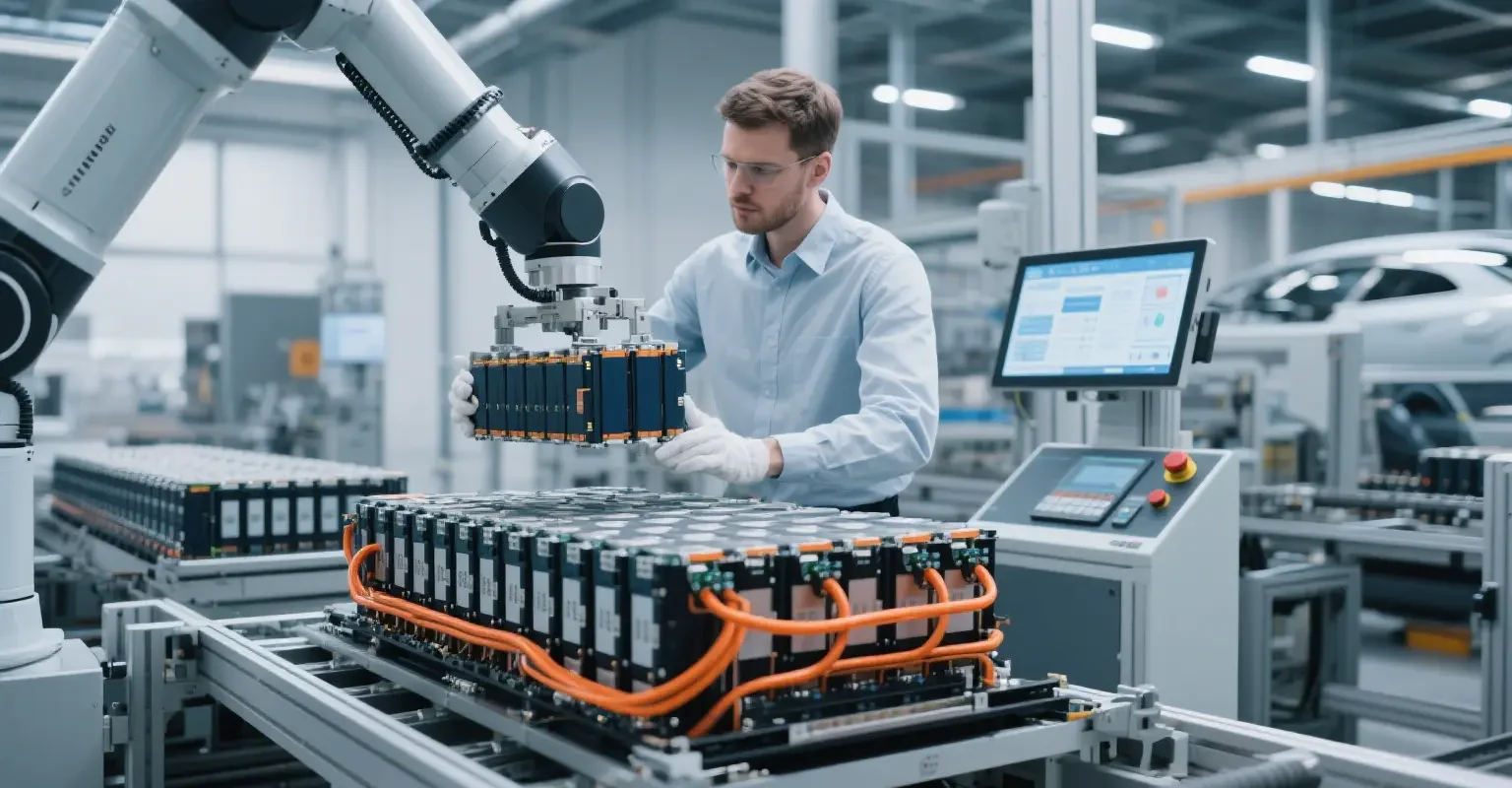
Semi-solid cells reach phones through the same pouch and prismatic lines used today, which is why adoption is faster than all-solid-state. The gel separator slots into existing stacking and winding equipment, so capacity scales as yields climb rather than waiting on brand-new fabs. Expect semi-solid first in flagship and ruggedized models, then trickling down.
Safety in a Pocket
Less free electrolyte means a cracked phone is far less likely to vent or ignite against the leg. Combined with a BMS that caps temperature during fast charge, semi-solid cells let makers thin the chassis and drop bulky thermal padding, returning that space to a slightly larger cell.
Will my current charger work with a semi-solid phone battery? Yes — the cell still speaks the same lithium charge profile at the system level; the gains are inside the cell, not at the port, so no new brick is needed.
Do semi-solid batteries swell less over time? Yes — the composite separator resists the gas buildup that puffs old Li-ion, so screens stay flat longer and a two-year-old phone holds more of its resale value.
Should I expect a longer warranty on semi-solid phones? Not automatically — warranty follows the device maker, not the cell chemistry, but lower swell and cooler fast-charging typically let brands rate battery health more confidently across a two-to-three year window than with swollen older packs.
Written by Karl at China Battery Technology. Request a quote.
Related reading: Semi-Solid State Battery for VR Headsets: Lighter, Safer Immersion