Sodium-Ion Battery for Solar Street Lights: Low-Cost Off-Grid Light
Sodium-Ion Battery for Solar Street Lights: Low-Cost Off-Grid Light
Municipalities and campuses are rolling out solar street lights to cut trenching, wiring, and grid bills. The weakest link is usually the battery — it must survive temperature swings, partial daily cycles, and years of unattended service. Sodium ion battery technology is becoming a strong fit for off-grid lighting because sodium is cheap, abundant, and performs in the cold where many lithium packs struggle.

Why Street Lights Suit Sodium-Ion
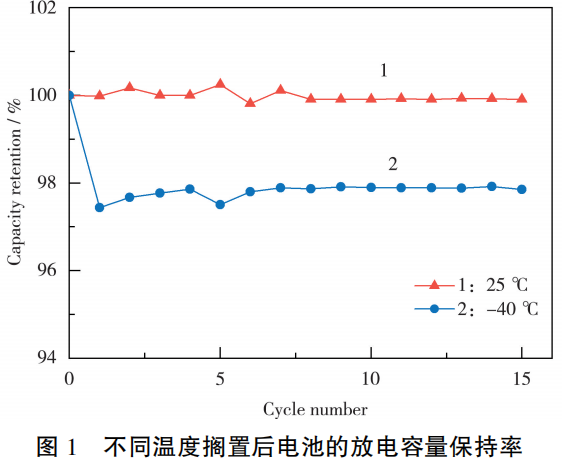
A street-light battery cycles once a day — charge from the panel, discharge through the night — at shallow-to-moderate depth. Sodium-ion handles this duty for thousands of cycles and keeps capacity above 90% at −20 °C without heaters, a real advantage for northern or high-altitude installations. Material cost is lower than lithium, which matters when a city deploys thousands of units and the battery is the single largest recurring expense after the panel.
Cold-Climate Advantage
Lithium iron phosphate loses usable capacity in freezing weather and needs internal heaters that steal energy from the panel. Sodium-ion’s stable cold performance means more reliable all-night light in winter with a smaller, cheaper pack. For remote roads with no maintenance crew, that reliability is the whole point — a light that dims in January is a safety hazard, not a saving.
Street-Light Storage Comparison
| Attribute | Sodium-Ion | LFP (LiFePO4) | Lead-Acid |
|---|---|---|---|
| Cold capacity (−20°C) | >90% | ~70% (with heat) | ~50% |
| Material cost | Lower | Medium | Low (short life) |
| Cycle life | 3000–6000 | 4000–7000 | 300–500 |
| Maintenance | None | None | High |
Sizing a Solar Light Battery
Size to the longest winter night plus two to three days of autonomy for cloudy weather. Match the pack voltage to the LED driver and MPPT controller, and specify an IP65 sealed enclosure with over-temperature and deep-discharge protection. Sodium’s lower density is a non-issue here — the pole-mounted box has room to spare, and the weight saving versus lead-acid simplifies installation on existing poles.
Battery Management for Unattended Sites
Because nobody visits these batteries weekly, the BMS must be self-sufficient. Specify cell balancing, over- and under-voltage cutoff, and temperature-compensated charging so the pack survives a heatwave or a string of overcast days without supervision. A simple state-of-charge LED or a low-cost wireless logger lets a maintenance team spot a failing unit during a routine route rather than after a row of dark streetlights draws complaints.
Lifecycle and Replacement
Sodium-ion’s long cycle life means most poles will outlast the LED fixture before the battery needs swapping, so plan replacement around the luminaire, not the cells. When the time comes, sodium’s non-critical materials make recycling and disposal simpler and cheaper than cobalt-bearing chemistries, which lowers the lifetime environmental cost of a large lighting rollout.
Smart Controls and Dimming
Pair the sodium battery with a motion-aware controller that dims to a low base level and brightens when a vehicle or pedestrian approaches. Dimming cuts the nightly draw, so a smaller pack covers the same pole, and the battery spends more of its life in light partial cycles that extend service life further. Over a city-wide rollout, adaptive dimming plus sodium’s low cell cost is what pushes the per-pole economics firmly ahead of lead-acid and competitive with lithium.
People Also Ask
Do sodium street lights work in winter? Yes — sodium-ion keeps most of its capacity in freezing temperatures without heaters, giving more reliable overnight light than many lithium setups that throttle or heat instead of lighting.
Are they cheaper than lithium overall? Upfront cell cost is lower and cycle life is comparable, so lifetime cost per lit-night is often the best of the three options for high-volume deployments where the battery bill dominates.
Can sodium batteries retrofit existing LED poles? Yes — the pack and MPPT sit in the same luminaire or pole base; specify the voltage to match the driver and the BMS handles the rest, so upgrades are straightforward without replacing the fixture.
Written by Karl at China Battery Technology. Request a quote.
Related reading: Sodium-Ion Battery for Offshore Platforms: Safer Remote Power