Sodium Ion Battery for Canal Lock Control Stations: Dependable Power for Remote Waterway Gear
Sodium Ion Battery for Canal Lock Control Stations: Dependable Power for Remote Waterway Gear
A canal lock sits in the worst possible place for electrical equipment: at the bottom of a wet cutting, often kilometres from the nearest three-phase supply, with a control cabinet that has to actuate heavy gates on demand after weeks of doing almost nothing. Navigation authorities keep asking us the same question, and the answer is increasingly a sodium ion battery — a chemistry that charges through a damp northern winter without a cabinet heater and shrugs off the long idle periods between boat traffic.
What the Load Actually Looks Like
Lock control power splits into two very different halves. The standing load is small: a PLC, position sensors, a telemetry radio and a couple of indicator lamps, typically 8 W to 25 W continuous around the clock. The event load is brutal by comparison. Hydraulic power packs or electric gate actuators draw several kilowatts for thirty to ninety seconds per cycle, and a busy summer lock may cycle forty times a day.
That shape defeats a bank sized on average consumption. It also defeats lead-acid, which sags under actuator inrush and loses most of its cycle life to the shallow, repeated discharges that lock duty produces. The design target is a pack with generous pulse headroom, a flat voltage curve under load so the PLC rail never dips, and enough energy to keep the site alive through a week of winter with barely any solar.
Why Sodium Ion Suits Waterway Sites
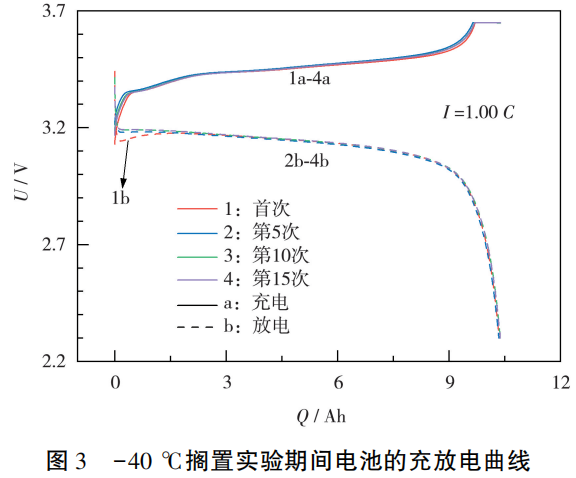
Two properties matter most here. The first is cold charge acceptance: sodium ion cells take charge down to roughly minus twenty degrees Celsius, so a canal-side cabinet needs no heater and no oversized array to feed one. The second is tolerance of deep discharge and prolonged low state of charge, which is what happens when a lock is closed for winter maintenance and the panels are under leaf litter for a month.
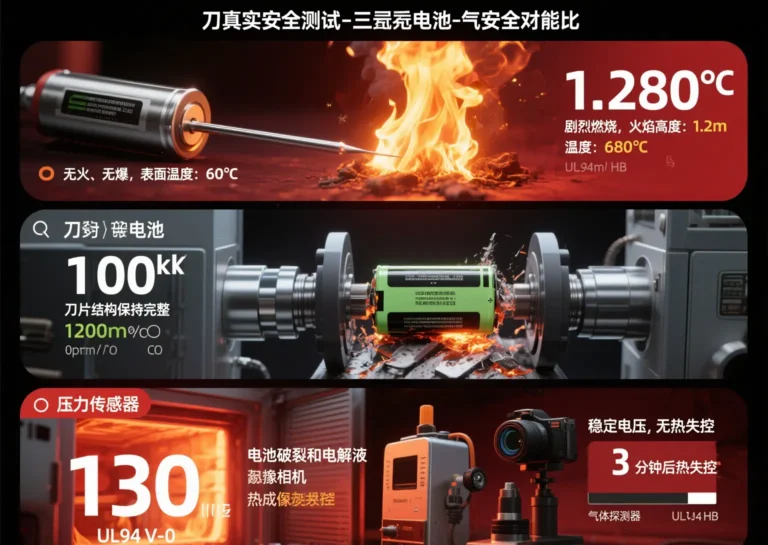
There is a safety argument as well. Waterway sites are public, unattended and occasionally flooded. Sodium ion has no lithium plating failure mode at low temperature and behaves benignly under abuse testing, which makes the risk assessment considerably easier to write than for a high-energy lithium bank in the same cabinet.
Chemistry Comparison for Lock Control Cabinets
| Requirement | Sodium Ion | LiFePO4 | AGM Lead-Acid |
|---|---|---|---|
| Charge at -15 C without heater | Yes | No, BMS blocks | Slow and damaging |
| Actuator inrush tolerance | Good | Excellent | Poor, heavy sag |
| Shallow-cycle life | 3,000-4,000 full cycles | 4,000-6,000 | 400-600 |
| Recovery after months at low charge | Excellent | Fair | Poor |
| Replacement interval | 8-12 years | 8-10 years | 3-4 years |
Sizing the Bank
Work from the event, not the average. Multiply the energy of one full gate cycle by the busiest expected day, add the standing load for the number of days the site may see no meaningful solar, then keep design depth of discharge at 70 to 80 percent. For a typical single-chamber lock with electric actuators that arithmetic lands between 6 kWh and 15 kWh at 48 V nominal. Twin-chamber or hydraulic sites with line heating go higher.
Check the actuator’s starting current against the pack’s continuous and peak ratings separately. A bank that meets the energy requirement but only just meets the peak will nuisance-trip on the coldest morning of the year, which is exactly when a stranded narrowboat becomes a phone call.
Enclosure and Flood Protection
Mount the bank above the highest recorded flood level, not the average one — canal levels are managed, until they are not. Use a vented IP65 cabinet with the battery on a raised plinth, glanded cable entries facing downward, and stainless fixings because the atmosphere beside a lock is permanently damp. Bring the BMS onto the same RS485 or CAN bus as the PLC so pack voltage, temperature and state of charge appear in the authority’s telemetry alongside gate position.
Fit a gloved-hand isolator and label it clearly. Maintenance crews on waterways work in the rain, often alone, and anything that needs two hands and good light will eventually be skipped.
Commissioning and Service Intervals
Log a full gate cycle at commissioning and record the voltage dip; that trace becomes the reference for every future inspection. After the first winter, re-torque busbars and compare state-of-charge calibration against the controller history. One planned visit per year is realistic on a properly sized sodium ion bank, usually folded into the annual lock inspection rather than being a separate trip.
People Also Ask
Can a canal lock run entirely on solar and batteries? Yes on most single-chamber locks. Sites with hydraulic power packs and heavy traffic sometimes need a small generator or grid tail as a seasonal backstop.
Why not just use lithium iron phosphate? It is a fine chemistry, but it cannot charge below freezing without a heater. On an unheated canal-side cabinet that heater becomes another load and another failure point.
What voltage should the system be? 48 V nominal. It matches most industrial inverters and keeps cable sizes reasonable for actuator inrush.
How is the bank protected during winter closure? Sodium ion tolerates months at low state of charge, so the usual practice is simply to leave the array connected and let the BMS manage it.
Written by Karl at China Battery Technology. Request a quote.
Related reading: Sodium-Ion Battery for Offshore Platforms: Safer Remote Power