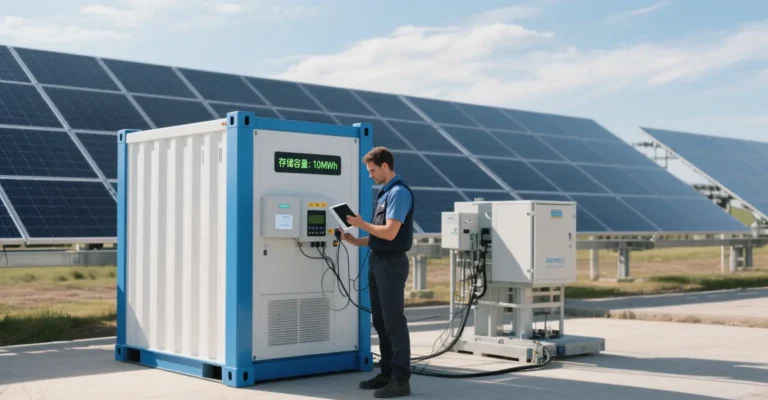
Home Energy Storage for Agritourism Farm Stay: Quiet Power for Guest Comfort
Home Energy Storage for Agritourism Farm Stay: Quiet Power for Guest Comfort
Running a farm stay means balancing guest comfort with the messy reality of rural power — well pumps that brown out, evening peaks that spike the bill, and the occasional storm that drops the line for hours. A well-sized home energy storage system smooths all of it: it stores cheap off-peak or solar energy, rides through outages without waking guests, and lets you advertise a genuinely off-grid-capable retreat. Here is how to specify storage that fits a working farm stay rather than a city house.
Loads That Matter at a Farm Stay
Guest wifi and lighting run all night; the well pump, water heater, and mini-fridge spike demand; weekend check-in evenings stack everything at once. Unlike a home, you also have animal waterers, barn lights, and possibly an electric fence. List your critical vs comfort loads before sizing — guests will forgive a dim porch light, not a cold shower.
Solar Plus Storage vs Generator-Only
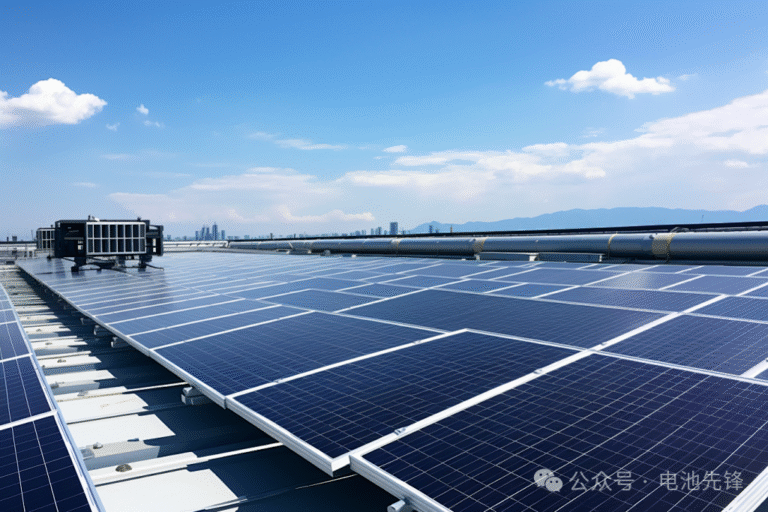
A generator covers a blackout but does nothing for your daily bill and rattles the cabin at 2 a.m. Solar paired with storage silently shaves the evening peak every day and only leans on a generator for extended failures. The table below frames the trade-offs most farm stays face.
| Approach | Outage cover | Daily savings | Guest experience |
|---|---|---|---|
| Solar + storage | Hours–days | Yes (peak shave) | Silent, seamless |
| Generator only | Unlimited (fuel) | No | Noisy, manual start |
| Grid only | None | No | Vulnerable |
Sizing for a Typical Booking
A two-cabin farm stay with electric water heating and a shared kitchen usually needs 10–20 kWh of usable storage to cover an overnight outage plus evening peak shaving. Pair it with 3–6 kW of roof or ground solar and the battery carries shoulder-season guests almost for free. Oversize the inverter slightly so the well pump and kettle can run together.
Keeping Guests Unaware
Put the battery and inverter in an insulated, vented shed away from sleeping quarters — modern LiFePO4 units are silent, but the cooling fan and contactors can click. Use a sub-panel so only essentials fail over, and set the system to auto-test weekly so you learn about a fault before a guest does. A small status light at the host cabin is worth more than a phone app nobody checks.
Cost and Payback
Farm stays with time-of-use tariffs or demand charges often recover a 15 kWh system in 4–7 years through peak shaving and avoided generator fuel, and they can charge a premium for “off-grid luxury” listings that the battery makes truthful.
Common Mistakes to Avoid
The most common error is backing up the whole panel instead of a dedicated sub-panel, which forces a huge inverter and wastes money on loads guests never notice during an outage. The second is forgetting the well pump’s startup surge and buying storage that cannot start it, leaving you with lights but no water. A third is skipping monitoring, so a failed cell goes unnoticed until a booking weekend. Pick a system with a clear app or cabin status light, run a planned monthly drill, and keep one spare module on the shelf so a fault never becomes a cancelled stay.
People Also Ask
Will guests notice when the grid drops? With auto-transfer storage, no — the switch happens in milliseconds and lights stay on through the outage.
Is it worth it if I already have a generator? Storage handles the frequent short dips silently and cheaply; keep the generator only for extended multi-day failures.
Written by Karl at China Battery Technology. Request a quote.
Related reading: Home Energy Storage for Island Communities: Reliable Off-Grid Power