Battery Solutions for Mobile Laundry Service: Power Where the Washer Is
Battery Solutions for Mobile Laundry Service: Power Where the Washer Is
A mobile laundry service meets customers in campgrounds, marinas, and disaster zones — places with no hookup for a 2 kW washer-dryer pair. Smart battery application solutions let operators run full wash cycles off a quiet battery bank instead of a rattling diesel generator, opening routes that were never practical before.
Why Mobile Laundry Needs Storage
Washers and especially dryers are the heaviest draws in any small business, but they cycle: heat, tumble, pause, repeat. A battery smooths those spikes so the inverter only needs to be sized for the running average, not the cold-start surge. That means a smaller, cheaper inverter and no audible generator chasing away customers at a quiet campsite.
Sizing the Bank
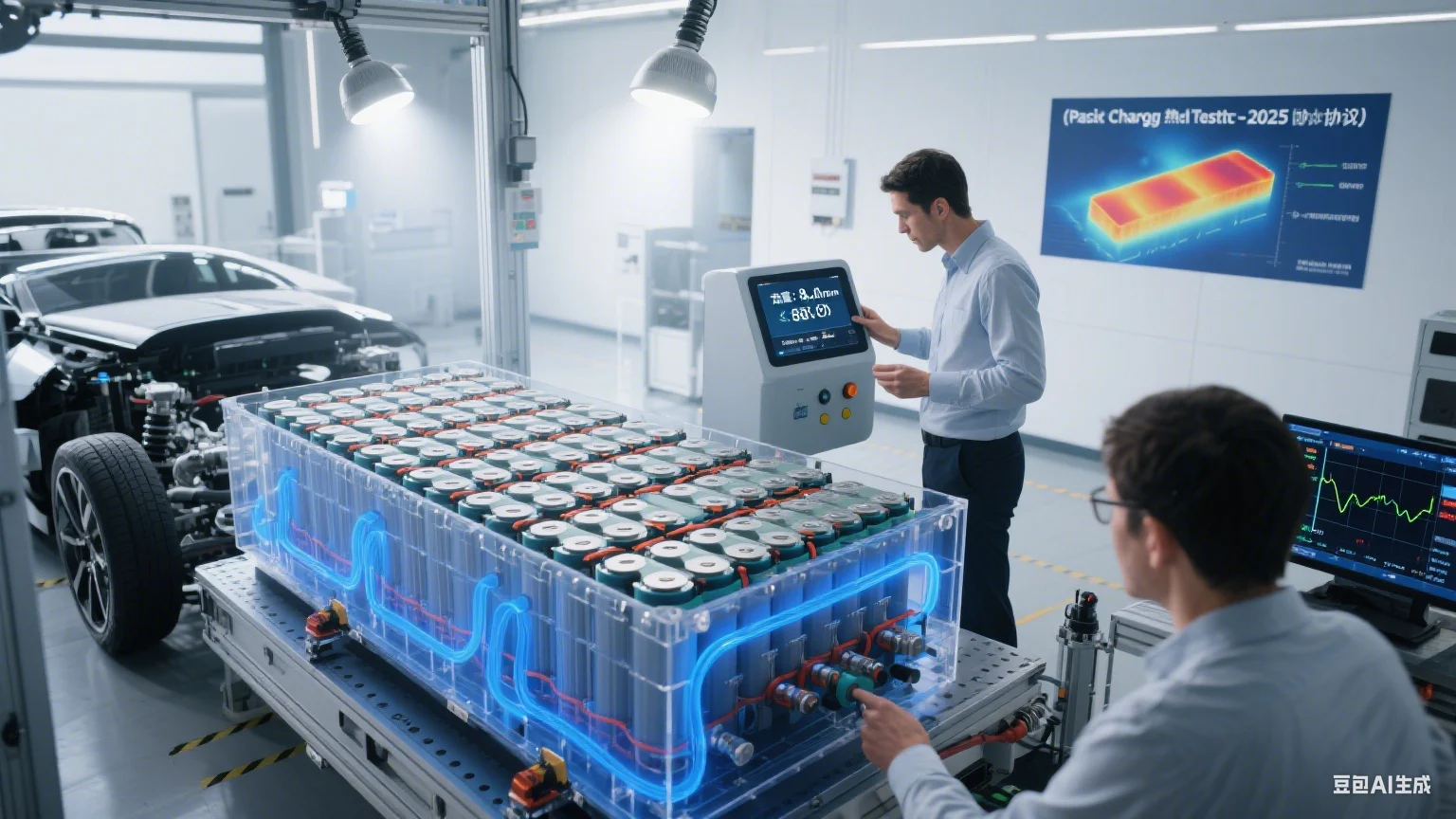
Count the load in watt-hours, not just watts. A warm-water wash cycle is roughly 500–900 Wh; an electric dryer adds 1.5–3 kWh per load. For a half-dozen loads a day, plan 10–20 kWh of usable storage with a 5–8 kW inverter. LiFePO4 is the right chemistry: it tolerates daily deep cycling and survives the vibration of a moving van far better than lead-acid.
Storage Comparison
| Option | Noise | Fuel cost | Daily cycles | Siting limit |
|---|---|---|---|---|
| LiFePO4 bank | Silent | None (grid/solar) | Excellent | Anywhere legal |
| Diesel generator | Loud | High | Poor | Needs clearance |
| Grid hookup | Silent | Metered | Excellent | Requires outlet |
Charging on the Road
Charge overnight at a depot or from rooftop solar while parked. If the route is long, a small alternator charger tops the bank between stops so the next customer never waits. Keep the battery above 20% state-of-charge to protect cell life, and monitor temperature — a van interior in summer sun is harder on cells than the laundry load itself.
Customer and Compliance Angle
Quiet, emission-free operation is a selling point at festivals, RV parks, and eco-resorts that bar generators. It also lets the van run early or late without noise complaints. Document the system’s capacity and a simple daily log so staff can spot a fading pack before it interrupts service.
Cost and Payback
A battery van costs more up front than a generator, but the operating math flips quickly. There is no daily fuel, no engine oil, no exhaust permitting, and no generator replacement every few seasons. Most operators recover the premium within the first one to two years of steady route work. Just as important, the silent operation wins premium bookings — eco-resorts, festivals, and waterfront marinas — that a rattling diesel would never attract, lifting revenue per stop.
Maintenance Between Routes
Check terminal torque monthly, keep the pack above 20% between charges, and log cycle count so you can predict end-of-life instead of discovering it mid-route. A van-mounted battery lives or dies by heat, so add ventilation in the build and avoid sealing the bank inside an unvented cabinet during summer. A simple log sheet turns vague “it feels weaker” into a planned replacement.
People Also Ask
Will a battery really run a dryer? Yes, if the inverter is rated for the dryer’s surge and the bank holds enough kWh; most operators pair the battery with a heat-pump or gas-assisted dryer to cut electric draw.
How long does the pack last? A well-sized LiFePO4 bank delivers 2,000–4,000 cycles, typically 5–8 years of daily mobile use before noticeable fade.
Written by Karl at China Battery Technology. Request a quote.
Related reading: Battery Solutions for Self-Service Kiosks: Reliable Unattended Power