Semi Solid State Battery for Electric Moped: Lighter, Safer Urban Rides
Semi Solid State Battery for Electric Moped: Lighter, Safer Urban Rides
Electric mopeds are becoming the default last-mile commuter in dense cities, but riders care about two things legacy cells struggle to deliver: low weight and real safety. A semi solid state battery lands between conventional lithium and full solid-state, packing more energy per kilogram while replacing much of the flammable liquid electrolyte with a stable composite. That means a lighter bike, a shorter charge, and far less fire risk parked in a bedroom-adjacent garage or carried up apartment stairs.
Why Mopeds Benefit First
A moped has tight space under the seat and a hard weight budget — every kilogram slows acceleration and eats range. Semi-solid cells raise volumetric and gravimetric energy density, so manufacturers fit more range into the same footprint or shave kilograms for better handling. Because the electrolyte is mostly solid, the pack is less prone to leakage and thermal runaway if the bike tips or is punctured in a crash, a real concern for devices charged indoors.
Charging and Lifespan
Semi-solid chemistry tolerates higher charge rates and deeper cycling than many liquid cells, which suits shared and delivery mopeds that charge several times a day. Lower self-discharge keeps a rarely used personal moped ready, and the softer cell tolerates the vibration of city potholes better than rigid prismatic packs that can crack at the weld after a season of rough roads.
Moped Battery Comparison
| Attribute | Semi-Solid | Liquid Li-ion | Full Solid-State |
|---|---|---|---|
| Energy density | High | Medium | Highest |
| Fire safety | High | Medium | Very high |
| Fast-charge | Good | Medium | Excellent |
| Maturity / cost | Medium | Very high | Low / high |
Form Factor and Handling
The denser cell lets designers move mass lower and closer to the wheelbase, which steadies the bike at low speed and improves cornering. A lighter pack also reduces unsprung weight worries and makes the moped easier to wheel onto a curb or lift onto a stand. For delivery fleets, the weight saving adds up to less rider fatigue across a long shift and more payload for the cargo box.
What to Ask a Supplier
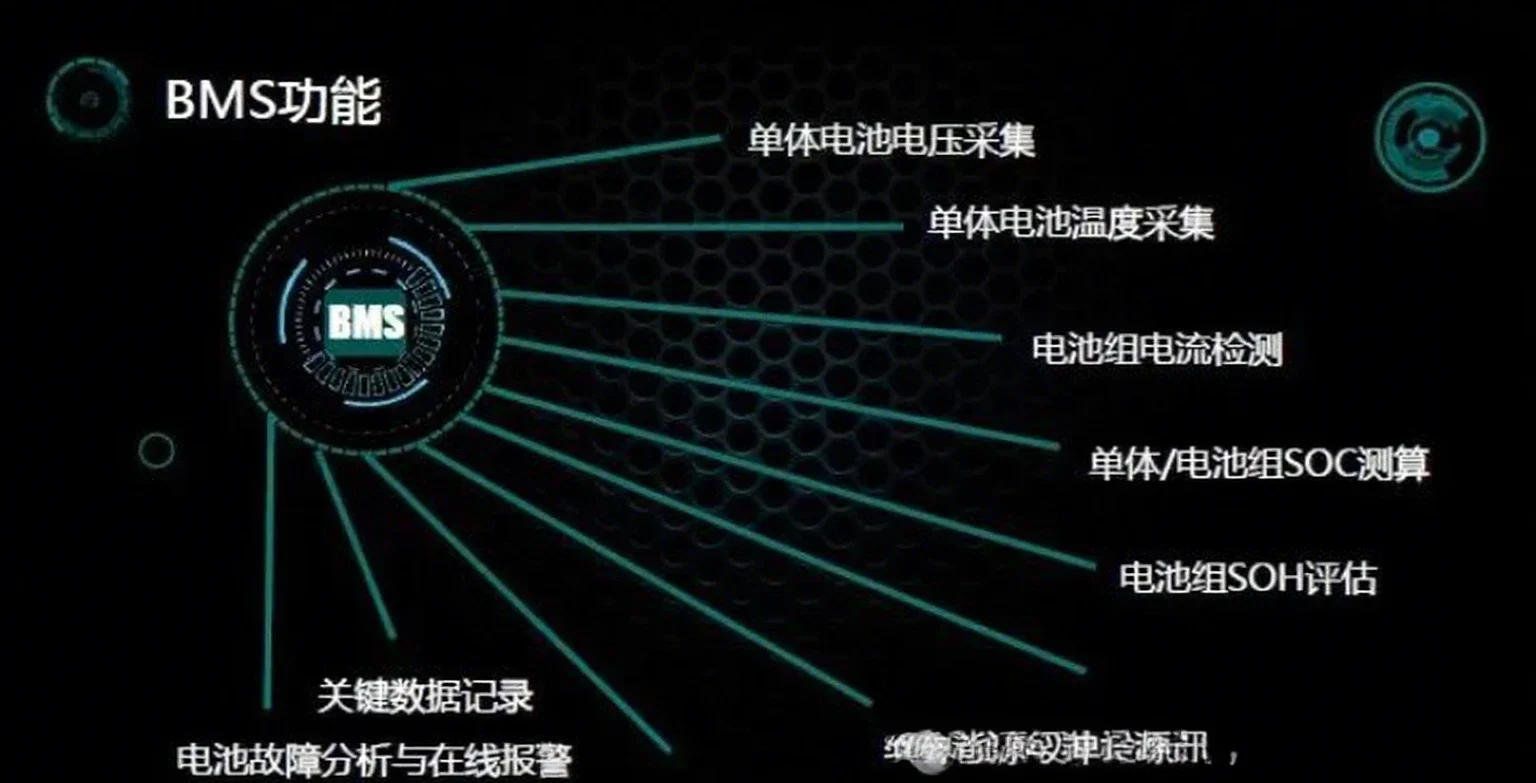
Specify the cell form and enclosure rating for weather and theft, confirm the BMS supports the moped’s controller and regenerative braking, and request cycle-life data at your expected depth of discharge. Choose a pack with certified isolation and a temperature sensor, and verify the warranty covers daily commercial use if the moped is for delivery rather than personal commuting.
Cost and Market Outlook
Semi-solid currently costs more per watt-hour than mature liquid lithium but less than full solid-state, and the premium is narrowing as volume climbs through 2025 and 2026. For premium and fleet mopeds where weight and insurance risk matter, the safety and range gains often justify the upcharge, and falling cell prices should push semi-solid into the mainstream commuter segment within a few years.
Common Mistakes to Avoid
A frequent error is assuming any semi-solid pack drops into an existing frame; verify the dimensions, voltage, and connector before purchase, because form factors are not yet standardized. Another is over-discharging a shared fleet moped to extend the shift, which shortens cell life faster than the range gain is worth. Finally, do not chase the lowest price alone — request cycle-life and safety test data, since semi-solid quality varies widely between suppliers still scaling production.
People Also Ask
Are semi-solid moped batteries available now? Yes — several suppliers shipped semi-solid cells for premium two-wheelers and pilots through 2025 and 2026.
When does full solid-state make sense? High-volume full solid-state is still scaling; semi-solid is the practical, available step that already improves weight and safety today.
Can I retrofit my current moped? Often yes if the frame accepts the pack dimensions and the controller speaks to the new BMS; confirm voltage and connector compatibility with the supplier first.
Written by Karl at China Battery Technology. Request a quote.
Related reading: Semi-Solid State Battery for VR Headsets: Lighter, Safer Immersion