Lithium Battery for Electric Leaf Blower: Cordless Power Without the Fumes
Lithium Battery for Electric Leaf Blower: Cordless Power Without the Fumes
Landscaping crews and facilities teams are retiring two-stroke blowers for cordless models, and the component that made that possible is the cell. A lithium battery manufacturer-specified pack delivers the high burst current a blower impeller needs, then recharges during the truck ride to the next site. No pull-cord, no fuel mix, and none of the noise complaints that push gas tools off urban job sites and into tighter municipal limits.
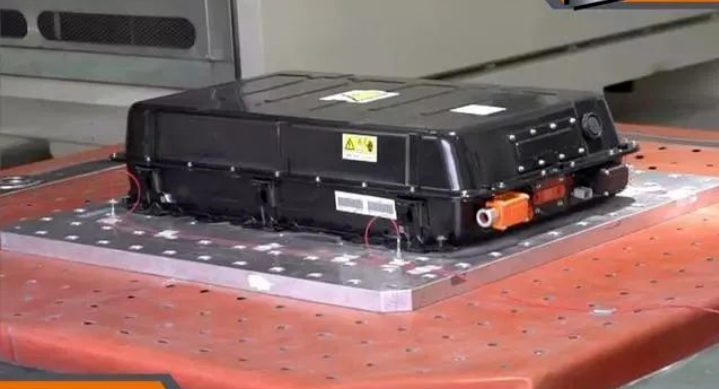
Why Blowers Need High Discharge
A leaf blower is a poor match for lead-acid or NiCd because the impeller wants a sharp current spike the instant the trigger is pulled. Lithium cells handle that burst without voltage sag, so airflow stays strong as the pack drains. NiCd memory effect and lead-acid sulfation both rob a blower of peak performance within a season; lithium simply does not have those failure modes, which is why a five-year-old pack still feels new.
Voltage Platforms and Runtime
Most professional blowers run on 40 V, 56 V, or 60 V packs in the 2-5 Ah range. Higher voltage means thinner wiring and less heat for the same wattage, which is why crew-grade tools have moved above 40 V. A 4-5 Ah pack typically gives 20-40 minutes of intermittent use; carrying two packs covers a half-day of blowing, edging, and cleanup without a mid-shift charge.
Blower Battery Comparison
| Attribute | Li-ion (NMC/LFP) | NiCd | Lead-Acid |
|---|---|---|---|
| Burst current | Excellent | Good | Poor |
| Weight | Low | Medium | High |
| Memory effect | None | Severe | Moderate |
| Cycles | 500-1500 | 500-1000 | 200-400 |
| Emissions at tool | Zero | Zero | Zero |
Sizing for a Crew
Standardize a team on one voltage so batteries and chargers are interchangeable across blowers, string trimmers, and hedge tools. A fast charger that reaches 80% in under an hour lets a single pack serve two blowers across a shift, and a simple rack keeps each pack accounted for. For municipal crews with all-day routes, a truck inverter plus a spare bank removes range anxiety entirely and keeps the crew moving through the longest leaf fall.
Charging and Cold Weather
Lithium performs best above freezing; in winter, charge packs indoors and let them warm before use to preserve capacity and cell life. Store at partial charge if the blower will sit for months, and keep terminals clean of damp leaf debris that can creep into the connector. A pack that gets hot during a normal charge is telling you a cell has aged and should be retired before it fails on a client’s lawn.
Care and Storage
Wipe the pack after dusty jobs, never submerge it, and inspect the housing for cracks before each season. Rotate packs so no single battery takes every hard hit, and retire any pack that swells or fails to hold a charge through a normal route. Done right, a lithium blower battery outlasts the tool motor it feeds, and the lack of fuel and oil saves a crew real money every week.
Fleet Economics
The real win is total cost of ownership: no two-stroke fuel, no spark-plug or carburetor service, and far fewer pack replacements than lead-acid ever allowed. Crews spend their time blowing instead of mixing fuel and pulling starters, and municipalities report fewer noise and emissions complaints. Over three seasons the savings on consumables alone often exceed the price difference versus a gas fleet.
People Also Ask
Do lithium blowers match gas power? Modern 56-60 V models match or beat consumer gas blowers on airflow and do it with far less noise and vibration.
How many batteries does a crew need? Two per active blower covers a typical half-day; a fast charger and a spare bank extend that to a full shift.
Can I leave the battery on the charger? With a proper auto-cutoff charger, yes — but storing at full charge for months is harder on cells than partial charge.
Are they worth it for a small yard? For a homeowner, one packs handles the whole property; for a crew, the fuel and maintenance savings compound across the fleet.
Written by Karl at China Battery Technology. Request a quote.
Related reading: Lithium Battery for Electric Winch: Cranking Power Without the Voltage Drop