Lithium Battery for Electric Air Compressor: Cordless Power Done Right
Lithium Battery for Electric Air Compressor: Cordless Power Done Right
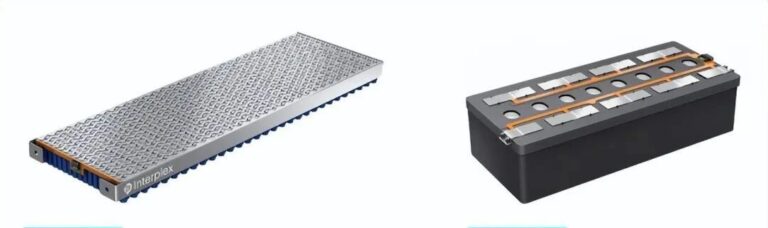
A cordless electric air compressor lives or dies by its battery. Frame crews, tire shops, and mobile service techs need bursts of high current to spin up the motor, then a long idle between uses — exactly the duty cycle that punishes lead-acid and rewards lithium. A trusted lithium battery manufacturer can spec a pack with the discharge rating, cell format, and BMS communications needed to keep an air compressor running through a full work shift without a trailing air hose or wall outlet.
Why Air Compressors Love Lithium
Compressors draw a sharp inrush when the motor starts, then settle into a steady draw while topping the tank. Lithium cells handle that spike without the voltage sag that stalls a lead-acid pack, so the compressor reaches cut-out pressure faster and refills the tank sooner. Low weight matters too: a 12 V lead-acid bank that weighs 25 kg can be replaced by a lithium pack under 8 kg with the same usable energy, which is why technicians carry it up ladders and into crawl spaces instead of rolling a heavy box behind them.
Chemistry Choice: LiFePO4 vs NMC
For most job-site compressors, lithium iron phosphate (LiFePO4) is the sweet spot. It is thermally stable, tolerant of vibration, and cycles 3000–6000 times — far longer than the 300–500 cycles you get from a sealed lead-acid battery. Where every gram counts, such as in a backpack-style inflator or a drone-mounted system, high-nickel NMC may be chosen for its higher energy density despite tighter thermal management and a more cautious charge profile.
Cordless vs Corded Comparison
| Attribute | Lithium (LiFePO4) | Lead-Acid | Corded (mains) |
|---|---|---|---|
| Weight for 0.5 kWh | ~5 kg | ~18 kg | 0 (tethered) |
| Start surge tolerance | High | Low | High |
| Portability | Full | Limited | None |
| Cycle life | 3000–6000 | 300–500 | — |
| Run time between charges | Full shift | Half shift | Unlimited |
Spec the Pack Correctly
Match the pack’s continuous and peak discharge to the compressor motor’s locked-rotor amps, not its running amps — the start spike is what actually kills an undersized battery. Size usable capacity to the worst-case duty: inflating four truck tires back-to-back needs more than topping bike tires between jobs. Add a BMS that reports state-of-charge over Bluetooth or CAN so the operator knows when to swap, and specify IP54 sealing if the unit works in dust or rain.
Charging and Fleet Management
Rotate two packs per crew so one charges while the other works, and standardize on a single voltage platform to simplify chargers and spares. Charge at a moderate rate rather than the fastest setting to preserve cell life, and keep a log of cycle counts so packs are retired before they fade mid-job. A simple wall-board charging station turns battery management from guesswork into routine.
Cost and Payback
A cordless lithium setup costs more up front than a corded compressor plus extension cords, but the math flips on a real job site. There is no tripping hazard, no generator rental, and no time lost walking power to the work. Crews that inflate dozens of tires a day typically recover the premium within a season of saved labor and fuel, and the pack’s decade-long life keeps the per-job cost low compared with replacing lead-acid banks every year or two.
People Also Ask
Can a lithium battery really run a 12V air compressor? Yes. A properly rated LiFePO4 pack delivers the start surge and sustained draw of a 12 V compressor while weighing a third of the lead-acid equivalent.
How long does the battery last per charge? For typical tire-inflation duty, a 0.5 kWh pack handles a full day of intermittent use; continuous framing-nailer duty will need a larger pack or a swap mid-shift.
Is it safe to leave the pack on the charger? With a quality BMS and a lithium-aware charger, yes — the pack holds a healthy float and stops drawing once full, unlike lead-acid which needs watering and equalizing.
Written by Karl at China Battery Technology. Request a quote.
Related reading: Lithium Battery for Electric Winch: Cranking Power Without the Voltage Drop