Semi Solid State Battery for Electric Glider: Lighter Packs, Higher Launches
Semi Solid State Battery for Electric Glider: Lighter Packs, Higher Launches
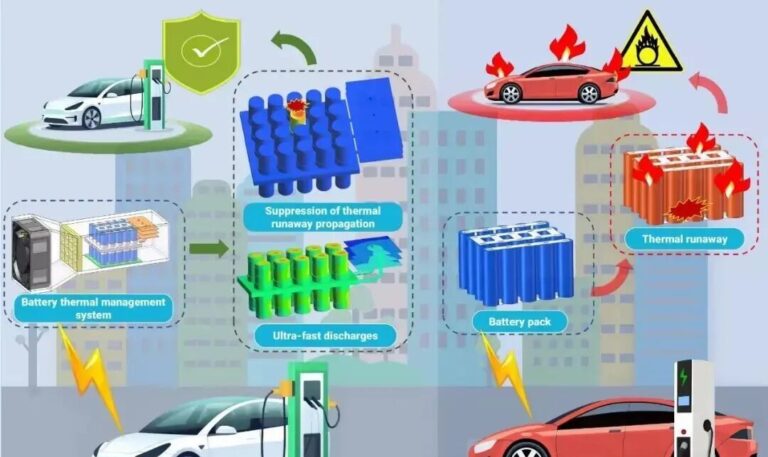
Self-launching and sustainer gliders sit at the sharpest end of the aviation battery problem: every kilogram of pack is a kilogram that must be hauled to altitude, and the whole point of the aircraft is to fly without an engine once it gets there. A semi solid state battery gives designers more usable watt-hours per kilogram than a conventional pouch pack, with an electrolyte that does not flow freely if a cell is damaged — a meaningful distinction when the pack is buried in a composite fuselage far from a fire extinguisher.
Why Energy Density Decides the Design
A self-launch glider needs perhaps 3–6 kWh to climb to a workable release altitude, plus reserve for a sustainer run home if the lift dies. Pack mass drives wing loading, which drives glide performance, which is the entire reason the pilot bought the aircraft. Shaving 8–12 kg from the energy system does not just add climb capability; it changes the handling and the minimum sink rate for the rest of the flight.
What Semi-Solid Brings to Sailplanes
Semi-solid cells thicken the electrolyte into a gel or paste, which stabilises higher-capacity electrode chemistries that a pure liquid design struggles to hold together over many cycles. The result is a pack that stores more energy at the same mass, and one that behaves better under the vibration and airframe flex a glider sees on winch launch, aerotow, or a rough field landing. Nothing sloshes, and a cracked case does not wet the cell stack next to it.
Climb Profile and Power Draw
Launch power is brutal but brief: a few minutes at near-maximum discharge, then the motor folds away and draw drops to zero. That is a favourable duty cycle for semi-solid chemistry, which prefers a short, hard pull followed by a long rest over the sustained heavy load an electric trainer imposes. The pack barely warms on a single climb, so thermal design can stay light — passive fuselage airflow rather than a liquid loop.
Electric Glider Battery Comparison
| Attribute | Semi-Solid | Li-ion NMC | LiFePO4 |
|---|---|---|---|
| Wh per kg | Highest | High | Low |
| Pack mass for 5 kWh | Lowest | Medium | Highest |
| Damage tolerance | No free electrolyte | Spills | Spills |
| Cycle life | Good | Good | Excellent |
| Cost | Higher | Medium | Low |
Weight, Balance and Installation
Where the pack sits matters as much as what it weighs. Most designs split cells between a forward bay and a spar-adjacent bay to hold the centre of gravity inside limits at both full and depleted charge — and because the mass does not change as the battery drains, an electric glider is easier to balance than a fuel-burning motor glider. Mount modules on vibration isolators, route high-current cable away from control runs, and leave inspection access without cutting a structural member.
Reserve Planning and Instrumentation
Treat the pack like fuel. Set a hard reserve, typically 20–25% state of charge, that is never spent on optimism about the next thermal, and give the pilot a display of remaining energy in climb-metres rather than a percentage. A BMS that reports per-cell voltage lets a maintainer catch a drifting cell long before it becomes a mid-flight power limit.
Certification and Airworthiness
Sailplane energy systems fall under national airworthiness rules, and a self-declared pack will not pass. Ask the manufacturer for cell test data, pack-level abuse testing, and a serialised build record you can hand to your inspector. Confirm the BMS logs faults in a form your maintenance organisation can read, and agree in advance who supplies replacement modules five years from now — orphaned aviation packs are a genuine problem.
Storage and Seasonal Care
Gliders sit in trailers for months. Store the pack near 50% charge in a dry, shaded space, and check state of charge at least quarterly rather than trusting it to hold over a whole winter. Avoid leaving a fully charged pack in a hot trailer, which ages cells faster than actually flying them.
People Also Ask
How much climb does a semi-solid pack add? At equal pack mass, expect 20–35% more energy, which typically translates into several hundred extra metres of launch altitude or a longer sustainer reserve.
Is it approved for certified aircraft? That depends on your authority and the specific pack. Work with a supplier that already has cell-level test reports and can support an airworthiness submission rather than retrofitting paperwork later.
Does the pack need cooling? Usually not actively. A single launch is short enough that passive fuselage airflow handles the heat, though repeated back-to-back climbs deserve a temperature check.
Written by Karl at China Battery Technology. Request a quote.
Related reading: Semi-Solid State Battery for VR Headsets: Lighter, Safer Immersion