Home Energy Storage for Bowling Alley: Cut Energy Costs Between Frames
Home Energy Storage for Bowling Alley: Cut Energy Costs Between Frames
A modern bowling center runs far more than pinsetters. Constant lighting across the concourse, HVAC for comfort, food-service refrigeration, arcade machines, and the ball-return and lift motors all add up to a stubborn baseload with sharp evening peaks. A home energy storage system — sized for a small commercial site rather than a single house — lets an alley shave those peaks, store cheap off-peak energy, and ride through the brief outages that would otherwise halt league night and force ticket refunds.
Why Bowling Alleys Are Energy-Hungry
Lanes are deceptively heavy users. Each pinsetter motor spikes on every throw, the scoring system and monitors draw all day, and the building lighting stays on for 14 or more hours. Add a kitchen or bar with walk-in coolers and the evening demand peak can trigger demand charges that dwarf the actual energy used. The load profile is predictable — low mid-afternoon, high from 6 pm to midnight — which is exactly the pattern storage handles best.
Demand Charges and Lane Motors
Many commercial meters bill on the highest 15-minute demand window each month. A Saturday-night pinsetter surge can set a peak you pay for all month long. A battery discharges during that window, capping the metered draw and trimming the demand portion of the bill by 15–35% in typical alley configurations. Because the surge is short and regular, a modest battery covers it without needing a huge capacity.
Solar and Storage Layout
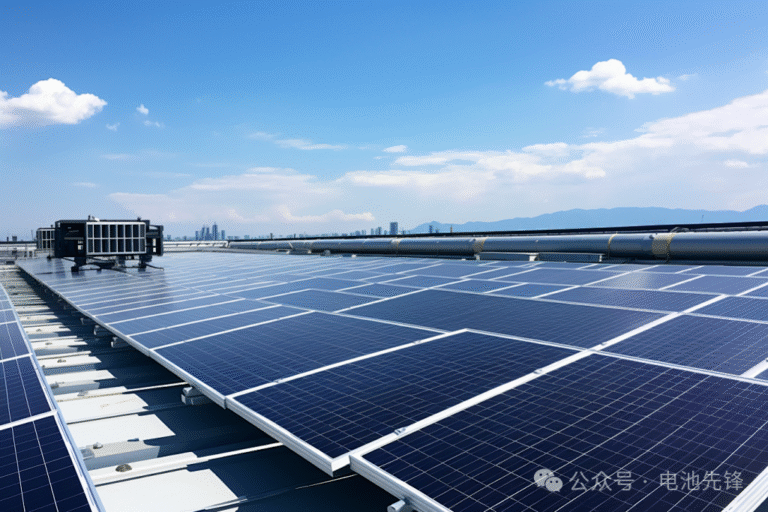
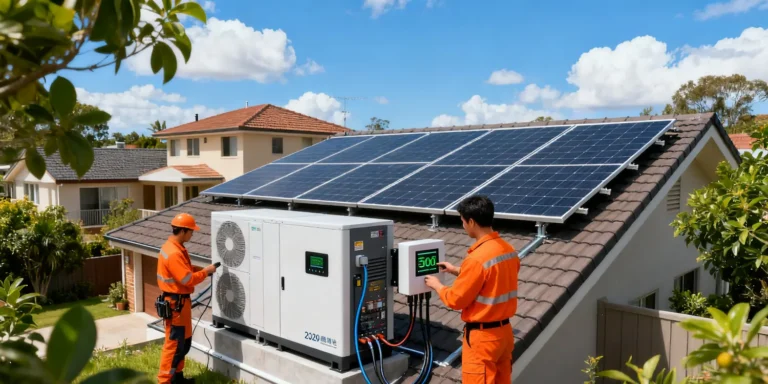
Many alleys have large, flat rooftops ideal for solar. Pair panels with storage and you charge the battery from midday sun, then discharge it into the evening peak when rates are highest. Even without solar, the system charges on a cheap overnight tariff and discharges during pricey evening hours, capturing time-of-use savings automatically through the inverter schedule.
Lighting and Common Areas
Bowling concourses run bright, all-day lighting that is a steady drain even when lanes are idle. Pairing storage with LED retrofits compounds the savings: the lower, steadier LED load is easier for the battery to cover, and the battery then handles the remaining evening spike from lanes and kitchen. Many alleys stage the lighting in zones so only active lanes and their approach lighting draw full power, which further shrinks the peak the battery must shave.
Bowling Alley Storage Sizing
| Goal | Typical size | Primary benefit |
|---|---|---|
| Demand peak shaving | 20–40 kWh | Lower demand charge |
| TOU arbitrage | 30–60 kWh | Cheaper evening energy |
| Short outage ride-through | 10–20 kWh | Keep lanes running |
| Solar self-use | 25–50 kWh | More on-site solar |
Deployment Tips
Put the pinsetters, scoring servers, and POS on a backed-up sub-panel so a small battery covers the revenue-critical loads first. Choose an all-in-one unit with a certified inverter and remote monitoring, and set the discharge schedule around your league and cosmic-bowl hours. Size the battery to cover at least one full peak-shaving cycle with margin, and let the system learn your weekly pattern over the first month.
Cost and Payback
Payback depends on your tariff. Alleys with demand charges above roughly 30% of the total bill and evening rates well above overnight rates typically see full payback in 3–6 years, after which the savings are pure margin on every league night. Incentives for commercial storage or solar-plus-storage in some regions shorten that further. Treat the battery as infrastructure — it rides behind the meter for a decade — and the cumulative savings on energy and demand quickly exceed the install cost.
People Also Ask
Will storage keep the lanes open during an outage? For short drops of a few minutes to an hour, yes — the battery bridges the gap so a league frame is never interrupted and scores are never lost.
Is it worth it without solar? Often yes, where demand charges or wide time-of-use spreads exist; the battery simply shifts cheap overnight energy into expensive evening hours.
Written by Karl at China Battery Technology. Request a quote.
Related reading: Home Energy Storage for Island Communities: Reliable Off-Grid Power