Semi Solid State Battery for Electric Snow Plow
Semi Solid State Battery for Electric Snow Plow
An electric snow plow is the toughest battery test on the calendar: it starts in sub-zero dawn, draws huge currents pushing wet snow, and must keep going through a storm. A semi solid state battery is a strong fit here because it holds more energy in a smaller pack and tolerates cold far better than conventional cells, letting a plow work a full route before recharge instead of quitting halfway down the street.
Why Plowing Is Hard on Batteries
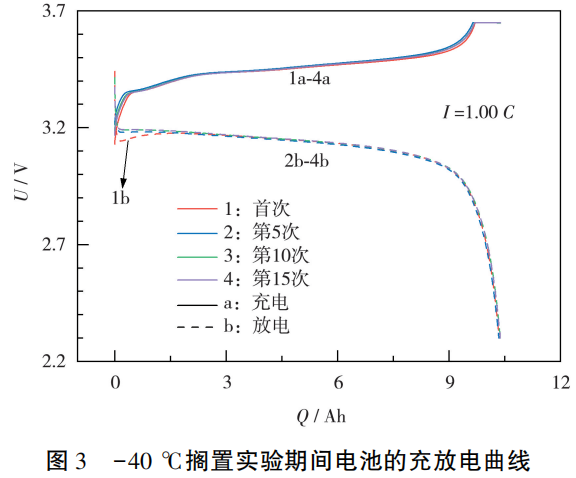
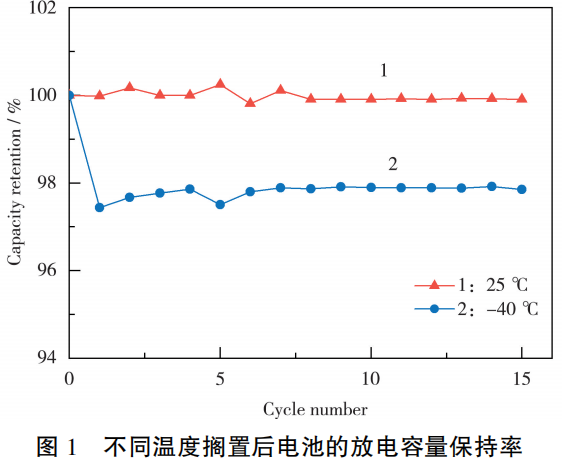
Pushing snow is intermittent but violent — the motor surges to hundreds of amps when the blade bites, then rests. That spike-and-rest profile suits lithium chemistry, but cold cuts ordinary cells’ usable capacity by 20–40%. A semi-solid architecture with a composite electrolyte keeps internal resistance lower in the cold, so more of the rated energy is actually available at −20 °C than a standard pack could deliver.
Energy Density Matters on a Plow
Every kilogram on a plow frame is weight that is not on the blade. Semi-solid cells pack more watt-hours per kilogram than standard Li-ion, so you can carry a bigger reserve without overloading the chassis or sacrificing plow down-force. That translates directly into longer storms cleared per charge, which is the difference between finishing a contract and calling it quits at noon.
Snow Plow Battery Comparison
| Attribute | Semi-Solid | Li-ion (NMC) | Lead-Acid |
|---|---|---|---|
| Cold capacity @ −20°C | High | Medium | Low |
| Energy density | High | Medium | Low |
| Peak surge | High | High | Low |
| Weight | Light | Medium | Heavy |
Design and Sizing
Size the pack for the worst storm, not the average morning: count blade actuation cycles, drive distance and cab heater load, then add 30% margin. Keep the electric snow plow battery in an insulated, vented enclosure with a low-wattage pad heater for extended parking. A cold weather battery management strategy — pre-warming the pack before the first pass — preserves both range and cycle life through the season and avoids the deep cold that ages cells fastest.
Charging Between Storms
Most residential plowing happens in a few big storms, with quiet days between. That cadence is ideal for semi-solid packs: a full recharge on the calm day restores capacity, and the low self-discharge means the pack is ready weeks later when the next system arrives. Avoid storing a depleted pack in freezing temps — top it up and keep it warm, and the plow will start strong no matter how cold the garage gets.
People Also Ask
Will it work in a −25°C storm? A semi-solid pack with a heated enclosure runs where lead-acid would quit, though range still drops somewhat in extreme cold.
How long does a charge last? A properly sized pack clears a residential route of 20–40 driveways per charge; commercial lots need a bigger bank or a mid-day top-up.
Is semi-solid available now? Semi-solid cells are shipping in premium applications as of 2025–2026 and are a practical step toward full solid-state for harsh-duty vehicles.
How should I store it off-season? Keep it at 40–60% charge in a cool, dry place and top up every couple of months; the low self-discharge means little maintenance.
Cost and Lifespan
Semi-solid packs cost more upfront than lead-acid but outlast it several times over, and the lighter weight reduces tire and suspension wear on a working plow. Most operators see the battery outlive the plow frame it was fitted to, with capacity warranties commonly covering 2000–3000 cycles. Spread across a decade of winters, the cost per storm is modest, and the certainty of starting on the worst morning is the real return.
Written by Karl at China Battery Technology. Request a quote.
Related reading: Semi-Solid State Battery for VR Headsets: Lighter, Safer Immersion