Semi Solid State Battery for Electric Paddleboard: Lightweight Power
Semi Solid State Battery for Electric Paddleboard: Lightweight Power
An electric paddleboard (e-SUP) has almost no room for a heavy battery — the board must stay buoyant, balanced, and easy to carry. A semi solid state battery delivers more watt-hours per kilogram than conventional cells, so riders get real range without sinking the nose or straining their arms on a long crossing.
Why Paddleboards Are Battery-Hostile
A stand-up paddleboard is a float, not a chassis. Every gram sits above the waterline and shifts the center of gravity, so a 3 kg pack is already a noticeable penalty. The cell must also survive constant flexing, splashes, and full submersion if the rider falls. Conventional liquid-electrolyte Li-ion is heavy and leakage-sensitive; that is exactly what an e-SUP wants to avoid.
Semi-Solid vs Li-ion vs Solid-State
| Attribute | Semi-Solid | Liquid Li-ion | Full Solid-State |
|---|---|---|---|
| Energy density | High | Medium | Highest |
| Weight per kWh | Lower | Higher | Lowest |
| Leakage risk | Low | Medium | Very low |
| Flex tolerance | Good | Poor | Excellent |
| Availability | Shipping now | Mature | Early / costly |
Range and Speed Reality
A semi-solid pack sized at 300–500 Wh typically pushes a single rider at 5–7 km/h for 8–12 km on calm water — enough for a coastal tour or a lazy lake loop. Headwind, chop, and a heavy rider all cut that, so spec for the worst day, not the brochure day. A lightweight cell means you can carry a spare without exceeding the board’s safe payload.
Waterproofing and Safety
Mount the cell in an IP67 sealed pod integrated into the board’s hull or a detachable fin box, with the BMS potted against corrosion. Reduced free electrolyte lowers leakage risk if the shell is breached, and the softer cell tolerates the board’s flex without cracking. Always use a magnetic or waterproof connector for the motor lead.
Charging and Care
Charge from a standard 100–240 V supply between sessions and avoid storing at full charge in a hot car. Rinse the connectors with fresh water after saltwater use, and check the seal annually. Work with a supplier that documents marine-grade assembly and provides cell-level traceability.
Choosing the Right Form Factor
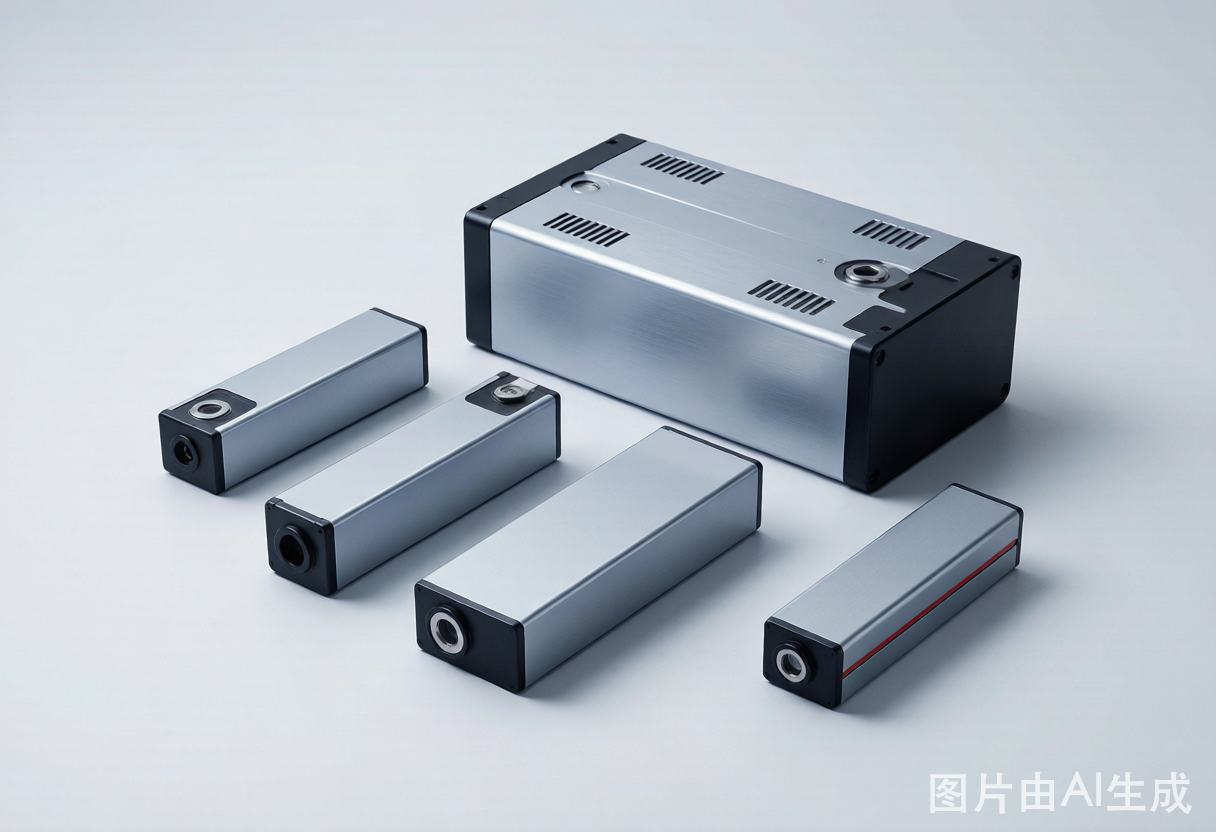
Most e-SUP packs are either a sealed hull insert or a detachable pod that clips into the fin box. The insert keeps the deck clean and balances weight centrally, but a breach means a board repair; the pod is swappable on the beach and easier to upgrade when better cells ship. For rental fleets, the pod wins on serviceability. For owner-riders chasing range, a custom hull insert wrings out the last watt-hour per kilogram.
Cost and Lifespan
Semi-solid cells still carry a premium over commodity Li-ion, but the lighter pack means a smaller capacity buys the same range, partly offsetting the price. Expect 800–1500 cycles before noticeable fade if you avoid deep discharge and extreme heat — easily a few seasons of weekend riding. Treat the battery as a wearable part: budget to replace it like you would a wetsuit or paddle, not as a permanent fixture.
People Also Ask
Is semi-solid safe if the board floods? The sealed pod plus reduced liquid electrolyte make a breach far less hazardous than a cracked liquid Li-ion can; the pack should still be dried and inspected before reuse.
When will full solid-state e-SUP packs arrive? High-volume solid-state is still scaling; semi-solid is the lightweight option shipping today for watercraft.
Written by Karl at China Battery Technology. Request a quote.
Related reading: Semi-Solid State Battery for VR Headsets: Lighter, Safer Immersion