Sodium-Ion Battery for Quarry Crushing Plant: Peak Shaving in the Pit
Sodium-Ion Battery for Quarry Crushing Plant: Peak Shaving in the Pit
Aggregate producers pay twice for their crushers: once for the kilowatt-hours, and again for the demand charge set by a few brutal seconds when a jaw crusher bites into an oversized rock. Storage flattens that curve, and a sodium ion battery is a natural fit for the pit because the site conditions that damage other chemistries — abrasive dust, freezing nights, long idle weekends, no climate control — are exactly where sodium-ion is most relaxed.
Where the Money Actually Leaks
A 250 tonne-per-hour crushing circuit might average 400 kW across a shift while its fifteen-minute peak touches 900 kW. In many tariffs the demand charge is set by that single worst interval and then billed every month for a year. Add a screen motor starting under load and a conveyor train restarting after a jam, and one bad Tuesday can cost more than a week of energy. A battery sized to cover the delta between average and peak, discharging for two or three minutes at a time, removes the spike without touching production rate.
Why Sodium-Ion Rather Than Lithium Here
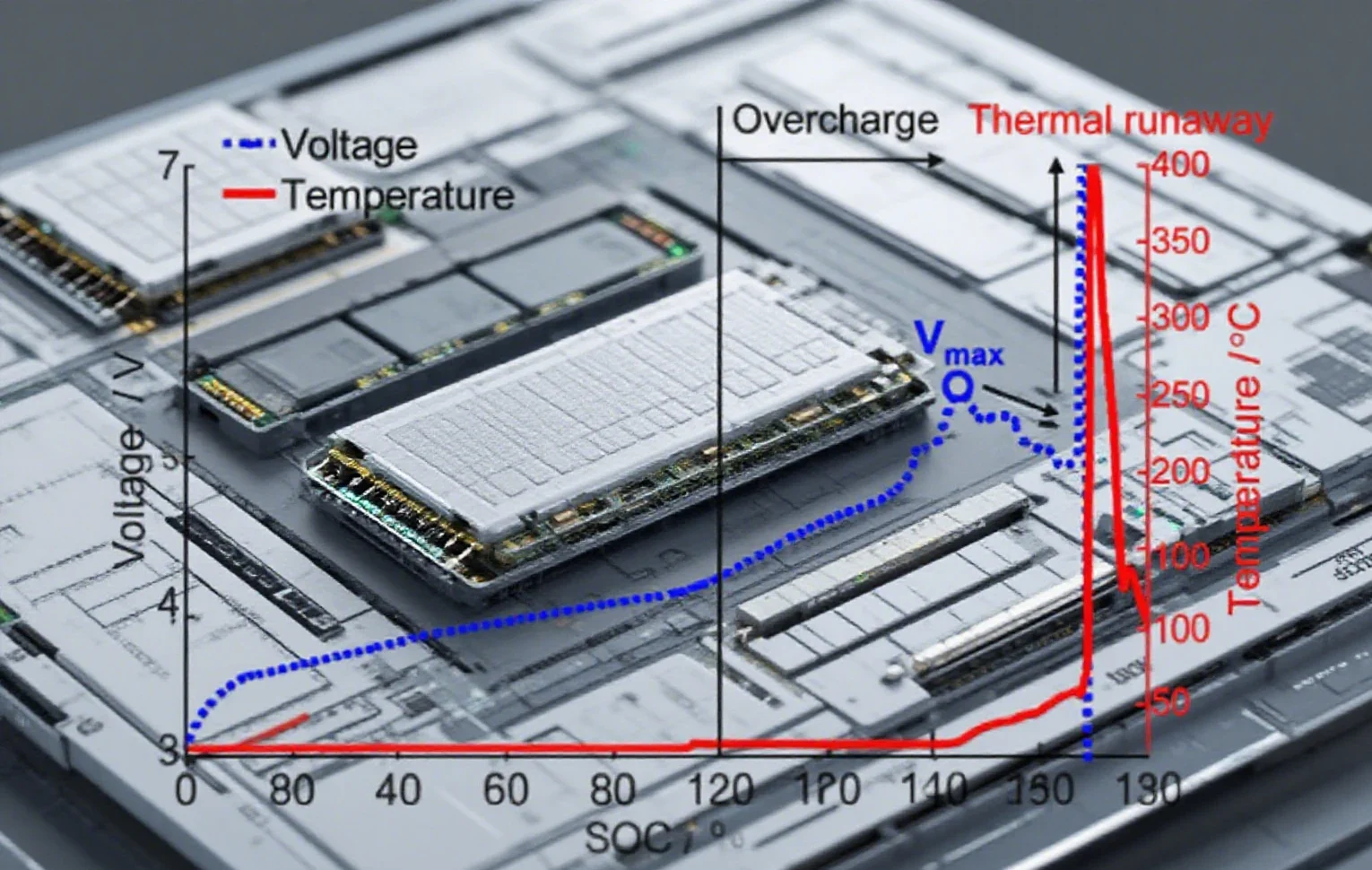
Peak shaving is a high-cycle, shallow-depth job. The pack works several times an hour, every hour, for years, but rarely goes below 50 percent state of charge. That is a duty profile where sodium-ion’s cycle life is more than adequate and its weaknesses matter least. Energy density is poor compared with LiFePO4, but a quarry has space. What the quarry does not have is a heated switch room, a fire-suppression budget or an operator who will nurse a battery through a minus 25 degree morning. Sodium-ion delivers usable power near minus 30 degrees Celsius, tolerates being held at zero percent state of charge during a shutdown, and does not run away thermally in the same way.
Sizing the System
Start from a month of interval data, not from nameplate ratings. Identify the top 20 demand intervals, compute the kilowatts you need to erase, then multiply by the longest continuous overshoot. A plant that must shave 400 kW for four minutes needs roughly 27 kWh of deliverable energy plus reserve and round-trip losses — call it a 60 kWh pack with 400 kW discharge capability. Note that the power rating, not the capacity, usually drives the specification and the price.
Technology Comparison for Pit-Side Storage
| Attribute | Sodium-Ion | LiFePO4 | Diesel Genset |
|---|---|---|---|
| Cold-weather output (−25 °C) | ~85% | ~50% with heaters | Needs block heater |
| Response to a demand spike | Milliseconds | Milliseconds | 10–30 s |
| Storage at 0% charge | Safe indefinitely | Damaging | N/A |
| Thermal runaway risk | Very low | Low | Fuel fire risk |
| Energy density | Low | High | N/A |
| Fuel or energy cost per year | Grid only | Grid only | High |
| Routine maintenance | Filter checks | Filter checks | Oil, filters, coolant |
Dust, Vibration and Enclosure Design
Crushed limestone dust is conductive when damp and abrasive when dry. Any pit-side cabinet should be IP55 as a minimum, with filtered forced-air cooling and positive internal pressure so dust cannot migrate into busbar gaps. Mount the cabinet on isolators rather than bolting it hard to a plant frame; the vibration a screen deck transmits will loosen terminal torque within months otherwise. We specify a quarterly torque check on the first year of every quarry installation, then annually once a pattern is established.
Working Alongside Generators and Solar
Many quarries sit at the end of a weak rural feeder or run entirely on diesel. The same battery that shaves grid peaks also lets a genset run at its efficient load band instead of chasing crusher transients, which typically cuts fuel burn 15 to 25 percent and reduces wet stacking. Where the site has roof or ground space, adding solar turns the pack into a daytime buffer as well, though peak shaving alone usually justifies the investment.
Payback and Contract Reality
Demand charges in the range of 12 to 25 currency units per kilowatt-month are common for industrial tariffs. Erasing 400 kW of billed demand recovers a substantial share of a mid-size battery within three to four years, before counting diesel savings or avoided transformer upgrades. The upgrade avoidance matters: utilities frequently quote six-figure sums and multi-year timelines to reinforce a feeder, and a battery can defer that indefinitely.
People Also Ask
Will a battery slow down my crusher? No. Peak shaving supplies extra current during the spike; the motor sees the power it asked for. Production rate is unchanged, only the billed demand curve is flattened.
How long do sodium-ion cells last in this duty? Shallow, frequent cycling is gentle. Expect 3,000 to 5,000 full-equivalent cycles, which in peak-shaving service commonly translates to 10 or more years.
Can it be moved when the pit face moves? Yes. Containerised systems are designed for relocation. Plan the cable run and grounding for each new position rather than reusing the old layout.
What happens during a long winter shutdown? Sodium-ion can be discharged to zero volts and parked safely, which removes the storage headache that lithium packs create over a seasonal closure.
Written by Karl at China Battery Technology. Request a quote.
Related reading: Sodium-Ion Battery for Offshore Platforms: Safer Remote Power