Home Energy Storage for Coffee Roastery: Shave Peak Roasting Costs
Home Energy Storage for Coffee Roastery: Shave Peak Roasting Costs
A coffee roastery is deceptively power-hungry: drum motors, exhaust fans, and especially the heating element pull a sharp spike every time a batch drops. On a small commercial tariff that spike can set the monthly demand peak and inflate the bill for weeks. A home energy storage system — the same all-in-one battery popular behind the meter at homes — lets a roastery discharge during the roast and recharge off-peak, flattening the curve that utilities penalize.
Why Roasting Loads Suit Storage
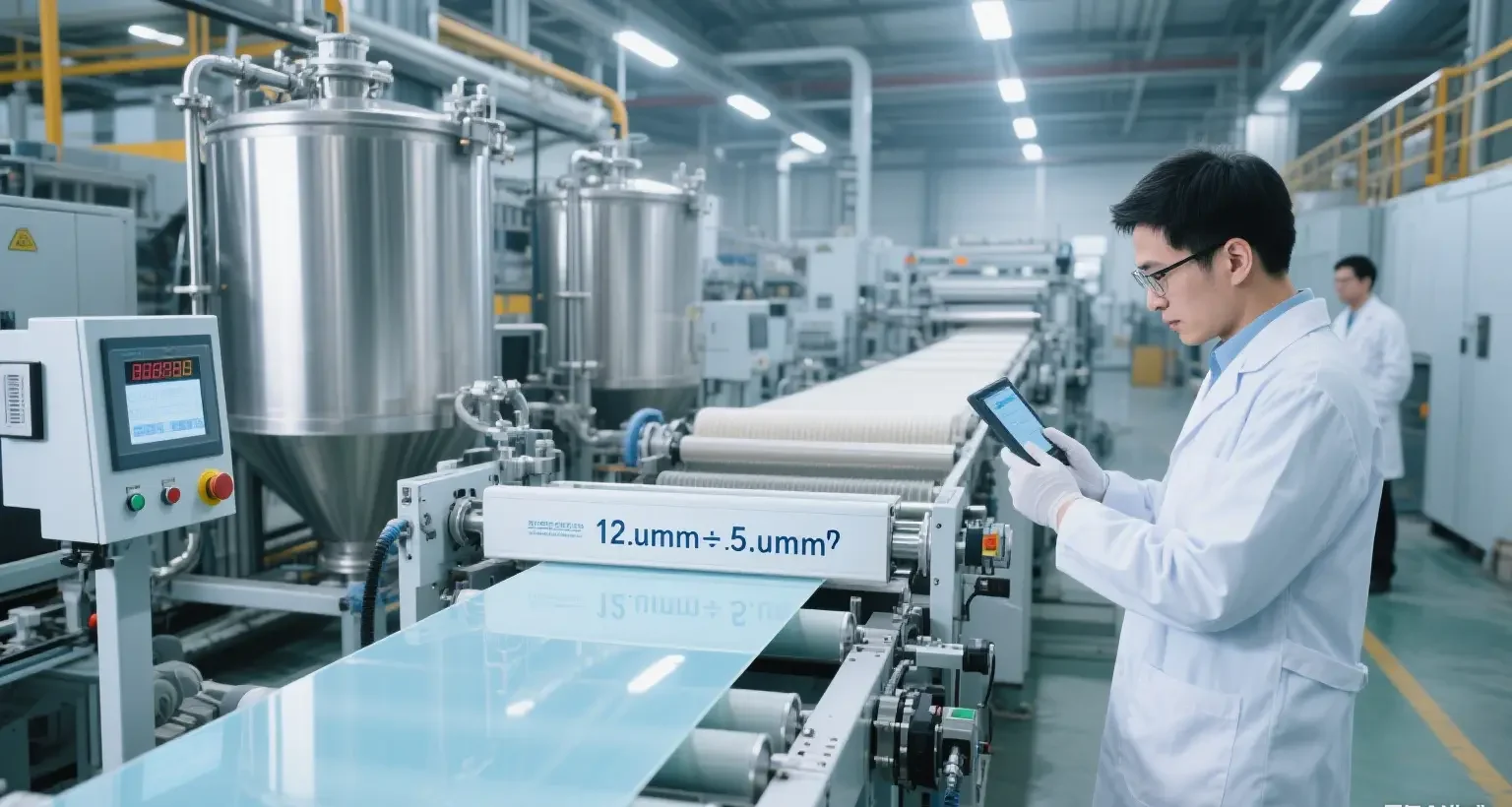
Roasting is batch, not continuous. You draw hard for 12–18 minutes per roast, then idle while beans cool and bag. A battery sized to the roast spike absorbs the peak so the meter never sees it, then quietly tops up overnight when energy is cheap. The result is a lower demand charge plus cheaper per-kWh energy through time-of-use arbitrage.
Pairing With Roastery Solar
Many roasteries already run roof solar. Without storage, midday generation exports at a low feed-in rate while the evening roast still buys peak power. A battery stores the afternoon surplus and serves the dinner-hour batches, lifting self-consumption from roughly half to over 80% in typical setups.
Roastery Storage Comparison
| Use case | Typical size | Primary benefit |
|---|---|---|
| Roast peak shaving | 10–20 kWh | Lower demand charge |
| TOU arbitrage | 15–30 kWh | Cheaper energy |
| Solar self-use | 10–25 kWh | More solar kept on-site |
| Outage backup | 5–10 kWh | Uptime for POS |
Deployment Tips
Put the roaster, grinders, and the point-of-sale terminal on a backed-up sub-panel so a small battery covers the loads that actually cost you money or sales. Choose an all-in-one unit with a certified inverter and app monitoring, and size the battery to carry at least one full roast cycle plus a safety margin. If you already have solar, confirm the inverter supports behind-the-meter retrofit so the battery works with or without PV.
Monitoring and Controls
Visibility turns a battery from a mystery box into a managed tool. App-based monitoring shows state-of-charge, per-batch draw, and savings versus the old tariff, so the roaster can schedule batches into cheap windows and pause non-essential loads during a peak. Some units auto-shift the roast schedule toward off-peak based on the next day’s time-of-use rates, quietly trimming the bill without changing the coffee.
Safety and Compliance
A roastery pairs heat and electricity, so battery placement and certification deserve attention. Keep the unit in a ventilated, fire-rated location away from chaff and open flame, use a certified inverter and breaker, and follow local electrical code for the backed-up sub-panel. LiFePO4 chemistry is inherently stable, but good installation practice — proper torque, surge protection, and clear labeling — is what keeps an inspector and your insurer happy.
People Also Ask (Extra)
Will a battery run my entire roaster? It depends on drum size; small 1–5 kg batches fit a 10–15 kWh bank, while large 30 kg+ roasters need a bigger system or generator backstop — size to one full roast cycle plus margin.
People Also Ask
Will it pay back for a small roastery? For sites where demand charges are more than a quarter of the bill, payback commonly lands in 3–6 years, faster where evening time-of-use rates are wide.
Can I add storage to my existing solar? Yes — most all-in-one systems retrofit behind the meter and operate with or without photovoltaic input.
Written by Karl at China Battery Technology. Request a quote.
Related reading: Home Energy Storage for Island Communities: Reliable Off-Grid Power