Lithium Battery for Sewage Treatment Plant Backup Power
Lithium Battery for Sewage Treatment Plant Backup Power
A sewage treatment plant that loses power does not merely go dark — it risks bypassing untreated effluent into the river. Blowers, return-sludge pumps, and SCADA controls must keep running through grid outages and generator start delays. Plant engineers are moving from flooded lead-acid banks to lithium packs that start instantly and hold charge between rare events. A dependable lithium battery manufacturer can size a backup battery that survives the humid, corrosive environment of a wet well and still meets the plant’s autonomy requirement.
Why Treatment Loads Need Lithium
Wastewater duty is bursty: a storm event triggers extra pumps, and diurnal flow swings the blower load. Lithium accepts high charge from the generator or solar canopy the moment grid power returns, so the bank is ready again within minutes rather than hours. Self-discharge under 2% per month means a seasonal standby battery is still full when the next storm hits.
Chemistry and Enclosure Choices
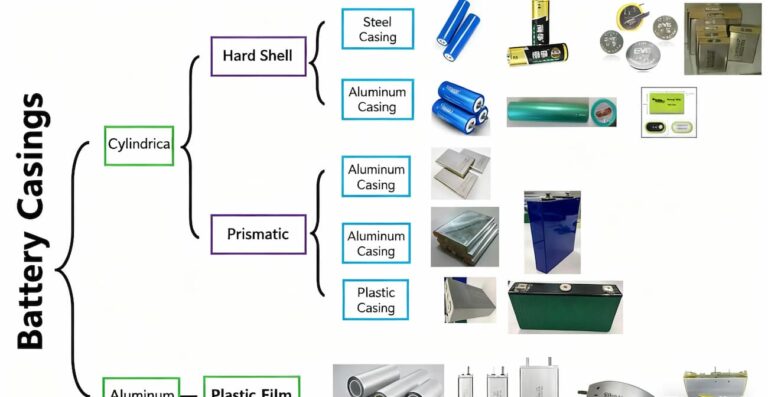
Lithium iron phosphate (LiFePO4) is the right call for stationary plant backup: stable chemistry, no gassing, and a 3000–6000 cycle life that outlasts the assets it protects. The enclosure must be IP65 or better against hydrogen sulfide and humidity, with positive ventilation and corrosion-resistant fittings. Specify operating range of −20 °C to +50 °C so the bank survives both winter blowdowns and summer peak loads.
Backup Battery Comparison
| Attribute | LiFePO4 | Lead-Acid (VRLA) | Nickle-Cadmium |
|---|---|---|---|
| Cycle life | 3000–6000 | 300–600 | 1000–2000 |
| Self-discharge / month | <2% | 5–10% | 10–25% |
| Charge acceptance | Very high | Low | Medium |
| Maintenance | None | Inspect/equalize | Refresh charge |
| Corrosion-safe | Yes (sealed) | Risk (gassing) | Risk (gassing) |
Sizing for Plant Autonomy
Size the bank to the worst-case simultaneous load — duty pump plus aeration blower plus controls — across the mandated backup window, typically 2–6 hours for municipal plants. Add the solar or generator recharge path so the system tops up between events, and route the battery onto a backed-up sub-panel so non-critical loads never drain it during an extended outage.
Monitoring and Integration
Treat the battery as a managed asset, not a black box. A plant-grade BMS reports state-of-charge, cell temperature, and fault codes over Modbus or CAN to the existing SCADA, so operators see backup health on the same screen as pump runtime. Tie the bank’s contactors into the generator auto-start sequence so the lithium bridge covers the seconds between mains loss and diesel pickup, eliminating the brief dark window that can trip a variable-frequency drive.
Maintenance and Lifecycle
One of the largest hidden savings is labor. Flooded lead-acid demands monthly watering, specific-gravity checks, and equalization; a sealed LiFePO4 bank needs only occasional terminal torque and an annual capacity test. Over a 15-year horizon that removes dozens of confined-space entries in a hydrogen-sulfide atmosphere — a real safety and compliance win for the utility. Plan replacement around the asset it backs up, and recycle the pack through a licensed cell recycler at end of life.
People Also Ask (Extra)
Do we still need a generator? Keep one for multi-day outages, but the lithium bank handles the far more common short interruptions and the generator start bridge without wearing out on brief blips.
People Also Ask
Can lithium replace our existing VRLA bank? Yes, with a BMS and a charger profile check; LiFePO4 needs a different float curve than lead-acid, so confirm the charger supports lithium or add a standalone regulator.
How long does a plant lithium battery last? Typically 10–15 years in standby service versus 3–5 years for VRLA, because shallow cycling and low self-discharge preserve capacity.
Written by Karl at China Battery Technology. Request a quote.
Related reading: Lithium Battery for Electric Winch: Cranking Power Without the Voltage Drop