Battery Solutions for Mobile Dental Van: Power Anywhere
Battery Solutions for Mobile Dental Van: Power Anywhere
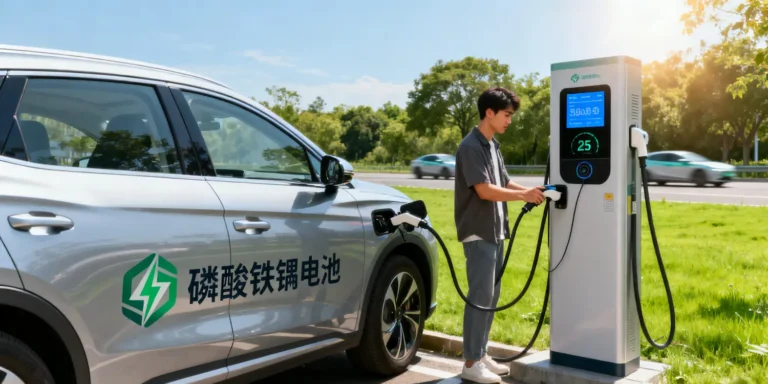
A mobile dental van brings care to schools, care homes, and remote communities, but the chair, operatory light, suction, and sterilizer all need stable power far from a clinic socket. Smart battery application solutions let a van run a full half-day of appointments on stored energy — silent, emission-free, and independent of a shore connection or a rumbling generator outside the treatment room.
What the Van Actually Draws
Dental loads are pulsed: a chair motor surges on recline, the light and suction run steadily, and the autoclave draws a hard heater load. A lithium pack with a quality inverter smooths these spikes and holds voltage through the autoclave cycle, so instruments and handpieces behave exactly as they would in a fixed clinic.
Silent, Clean Operation
Generators vibrate, emit fumes, and force the clinician to shout over the noise. A battery system removes all three: no exhaust in a confined van, no heat load in summer, and a calm environment that patients — especially children — tolerate far better. It also lets the van park inside a school hall or depot without noise complaints.
Mobile Clinic Power Comparison
| Attribute | Lithium + Inverter | Generator | Shore Power Only |
|---|---|---|---|
| Noise | Silent | Loud | Silent |
| Emissions in van | None | Present | None |
| Runtime off-grid | Half-day+ | Hours (fuel) | None |
| Patient comfort | High | Low | High |
| Footprint | Compact | Bulky | None |
Sizing and Charging
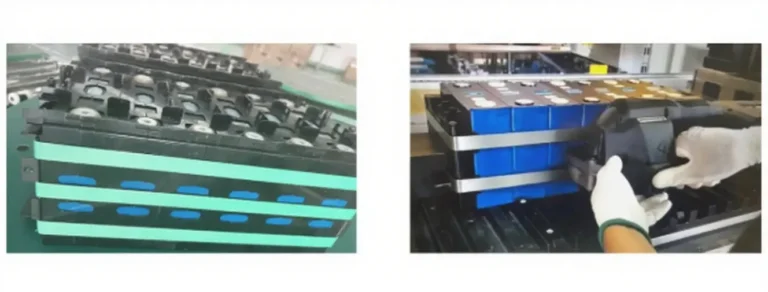
Size the battery to cover a worst-case schedule — multiple chair cycles plus one or two autoclave runs — then add a margin for cold-weather capacity loss. Charge from the van’s alternator while driving, from grid overnight at the depot, and from a roof solar strip when parked. A BMS with remote state-of-charge readout lets the coordinator plan the next booking without range anxiety.
Sterilizer and Inverter Sizing
The autoclave sets the spec. Size the inverter for its inrush — often three to five times running watts for seconds — and the battery for a full cycle of sterilizer draws plus chair and light. Oversize modestly rather than exactly; a pack that never exceeds 80% depth lasts far longer and still covers a busy route. Confirm pure-sine output so sensitive handpieces and sensors are unharmed.
Route and Overnight Planning
Plan bookings so the van drives between sites — alternator charging tops the pack on the move — and depot-charges overnight. For multi-day rural trips, add a roof solar strip and a second pack so a long outage or extra appointments never halt care. The coordinator watches state-of-charge from the booking tablet and adjusts the day without a fuel stop.
Regulatory and Hygiene
Mobile dental units must meet electrical and infection-control rules. Keep the battery enclosure sealed away from the treatment field, document the inverter and BMS certifications, and log charge cycles for the duty-of-care record. Documenting the pack also simplifies insurance and grant applications for mobile care programs. A clean, silent power source also supports the sterile field better than a fuel-burning generator parked outside.
People Also Ask
Can it run a sterilizer? Yes — size the inverter and battery for the autoclave’s inrush, and the rest of the operatory draws little by comparison.
How do I recharge between sites? Drive-charging plus depot grid charging covers most routes; solar extends off-grid days without adding fuel stops.
Does it meet clinic rules? With a certified inverter, sealed enclosure, and logged cycles, battery power satisfies the same electrical and hygiene requirements as a shore supply.
Written by Karl at China Battery Technology. Request a quote.
Related reading: Battery Solutions for Self-Service Kiosks: Reliable Unattended Power